TL;DR — Korean retinol starter pack for beginners
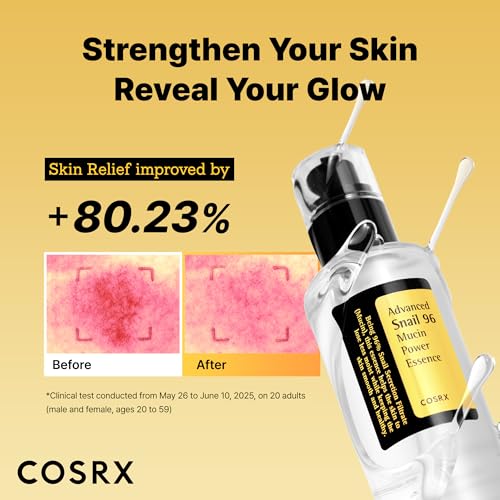
- COSRX Snail Mucin Essence (ASIN: B00PBX3L7K) — $17.79 — buffer layer before retinol; prevents barrier disruption
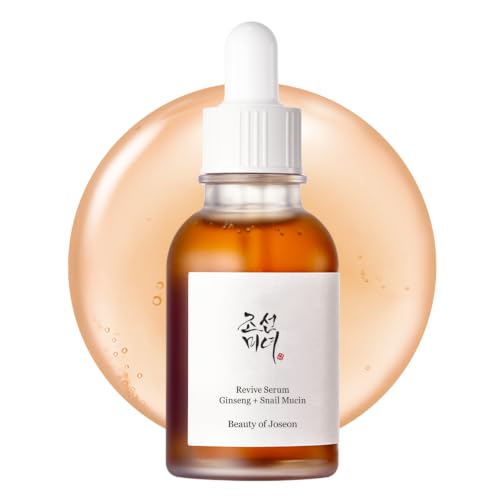
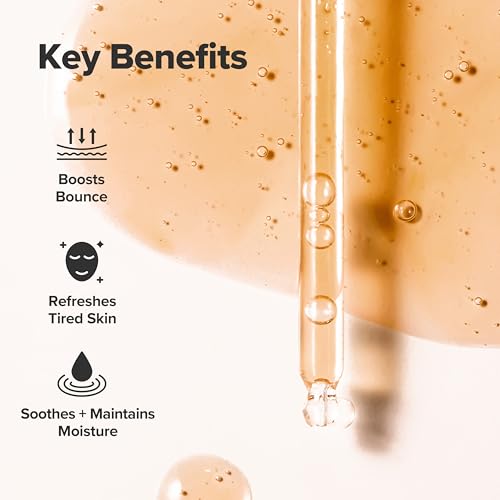
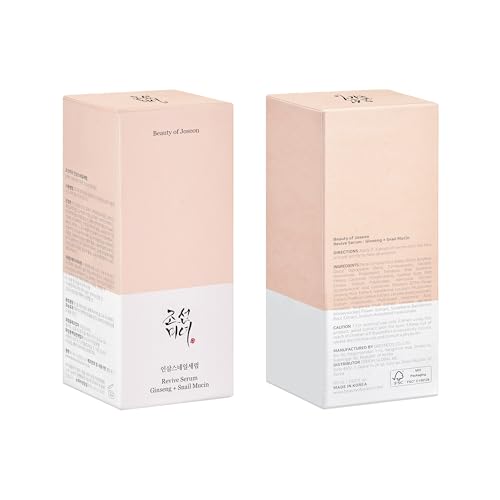
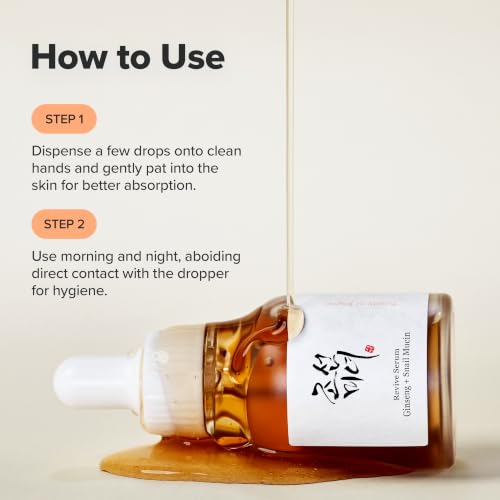
- Beauty of Joseon Snail + Ginseng Serum (ASIN: B0DZG5MDG6) — $15.60 — SSF + niacinamide recovery serum for retinol beginners
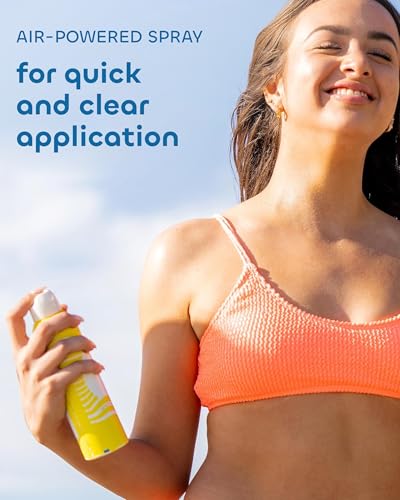
- Seaweed Bath Co. SPF 40 (ASIN: B08HT5JSK5) — $17.10 — essential AM protection when using retinol PM
Korean Retinol for Beginners: How to Start Without Wrecking Your Skin
Korean retinol products are designed differently than Western counterparts. Rather than leading with maximum-strength l-retinol, K-beauty brands emphasize gradual introduction, encapsulated delivery systems, and comprehensive buffer formulations that minimize the dreaded “retinol uglies.” If you’ve tried retinol before and given up, or if you’re starting fresh, this guide gives you the INCI framework to do it right.
As an Amazon Associate we earn from qualifying purchases at no extra cost to you.




Why Korean Retinol Formulations Work Better for Beginners
Standard l-retinol is inherently unstable — it oxidizes on contact with air and UV light, and in high concentrations it causes significant keratinocyte disruption: peeling, redness, tightness. Korean brands address this in three ways:
- Encapsulation technology: Retinol microencapsulated in lipid or polymer spheres releases slowly into skin rather than dumping the full dose at application. Brands like COSRX and Klairs use time-release capsules.
- Retinol derivatives: Retinyl palmitate, retinaldehyde (retinal), hydroxypinacolone retinoate (HPR), and bakuchiol (plant-based analog). K-beauty widely uses retinal (10x more potent than retinol, less irritating than tretinoin) and HPR.
- Buffer co-formulation: Panthenol, SSF, centella, niacinamide, and ceramides built directly into the retinol product to pre-empt the irritation mechanism.
Top Picks at a Glance
Best Retinol Buffer Layer




As an Amazon Associate we earn from qualifying purchases. Product prices and availability are accurate as of the date/time indicated.
Best Recovery Serum





As an Amazon Associate we earn from qualifying purchases. Product prices and availability are accurate as of the date/time indicated.
Essential AM SPF Protection




As an Amazon Associate we earn from qualifying purchases. Product prices and availability are accurate as of the date/time indicated.
The 4-Week Korean Retinol Introduction Protocol
Week 1–2: Barrier Prep (No Retinol Yet)
This is the step most beginners skip — and it’s why they fail. Before introducing any retinol, spend 2 weeks building your barrier with SSF and panthenol. Apply COSRX Snail 96 Essence AM + PM after toner for 14 days. This loads your epidermis with glycoprotein moisture-binding capacity and allantoin-soothed cells that can withstand retinol’s disruption without going into full reactivity mode.
The buffering approach is detailed in our Cosrx Snail Mucin Essence Deep Dive. For your full beginner routine foundation, read: our korean skincare beginner guide.
Week 3: First Retinol Application (1x Weekly)
Choose your Korean retinol product (see recommendations below). Apply on a dry face — not damp, as moisture increases penetration and irritation risk. Use a pea-sized amount. Apply COSRX Snail Essence first, wait 5 minutes, then apply retinol over it (the “sandwich method”). Follow with a ceramide moisturizer. Do this PM only, once in Week 3.
The next morning: apply Seaweed Bath Co. SPF 40 before any sun exposure. Retinol increases photosensitivity for 24–48 hours after application — this is non-negotiable. Cross-reference: SPF 50 Korean sunscreen comparison.
Week 4: Increase to 2x Weekly
If Week 3 produced no significant redness, peeling, or tight feeling, increase to twice weekly (e.g., Monday and Thursday). Continue the sandwich method. If you experienced mild flaking at the application site, that’s normal adaptation — reduce to once per week for one more week before stepping up again. If you experienced significant burning or redness lasting more than 12 hours, switch to a lower-concentration retinol derivative (retinyl palmitate or bakuchiol).
Months 2–3: Build to Nightly Use
After 4–6 weeks at twice weekly with no adverse reaction, gradually increase frequency over the following 4–6 weeks to nightly use. By month 3, skin should be fully adapted and the retinol benefits — cell turnover acceleration, collagen stimulation, comedone prevention — accumulate meaningfully. Most users see visible texture improvement at 8–12 weeks and significant fine-line reduction at 6 months.
Best Korean Retinol Products for Beginners
COSRX The Retinol 0.1 Cream
0.1% pure retinol in a ceramide + panthenol base. Starting concentration is intentionally low — this is where every beginner should start. The ceramide base significantly reduces transepidermal water loss, the primary cause of retinol-induced dryness. Available on Amazon; pairs perfectly with the COSRX Snail Essence sandwich method.
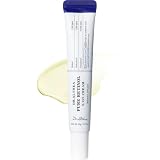
Beauty of Joseon Revive Eye Serum: Ginseng + Retinal
Uses retinal (retinaldehyde) — the K-beauty beginner’s cheat code. Retinal is converted to retinoic acid by skin enzymes one step faster than retinol (retinol → retinal → retinoic acid), making it roughly 11x more potent than retinol at equivalent concentrations — but because the conversion step is skin-controlled, irritation is far lower than using prescription retinoic acid directly. The ginseng extract in this formula also provides antioxidant protection against UV-induced retinoic acid degradation.
For more on this brand’s philosophy, see our learn about beauty of joseon sunscreen deep dive.
Klairs Midnight Blue Youth Activating Drop
0.1% retinol in a guaiazulene (azulene from chamomile) + panthenol + ceramide base. The azulene gives it the distinctive deep blue color and provides potent anti-inflammatory action that dramatically reduces retinol redness. One of the gentlest Korean retinol formulations for beginners with reactive skin. Widely available through Amazon and Korean beauty retailers.
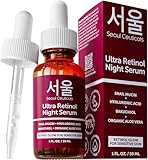
Anua Retinol Serum
Anua’s entry into retinol uses microencapsulated delivery with heartleaf extract as the primary anti-inflammatory buffer. The encapsulation technology means less immediate surface-level retinol contact and more time-release penetration — ideal for sensitive skin beginners. See our anua skincare hands-on review for the full brand context.
Retinol Form Comparison Table
| Form | Potency | Irritation Risk | Best For | Beginner-Safe? |
|---|---|---|---|---|
| Bakuchiol | Low (retinol analog) | Very low | Pregnancy, extreme sensitivity | Yes |
| Retinyl Palmitate | Low | Low | Thin or reactive skin | Yes |
| Retinol (0.1–0.3%) | Moderate | Moderate | Most beginners | Yes with buffer |
| Retinaldehyde (Retinal) | High | Low–moderate | Beginners wanting faster results | Yes with SSF buffer |
| HPR (Granactive Retinoid) | High | Low | Sensitized skin needing potency | Yes |
| Tretinoin (Retinoic Acid) | Very High | High | Prescription acne/anti-aging | Prescription only |
Building the Full Beginner Retinol Routine
AM routine: gentle cleanser → THAYERS toner → Beauty of Joseon Ginseng + SSF serum → moisturizer → SPF 40+. The SSF serum in the AM helps maintain barrier integrity after the previous night’s retinol application. The Seaweed Bath Co. SPF ensures UV protection without pore-clogging — critical because retinol-sensitized skin burns faster.
PM routine: double cleanse → THAYERS toner → COSRX Snail 96 Essence (buffer layer) → 5-minute wait → Korean retinol product → ceramide moisturizer. On non-retinol nights, swap the retinol for Beauty of Joseon Ginseng Serum as your actives layer. This alternating approach maximizes recovery while maintaining active-skin-improvement momentum.
For the complete product ecosystem, see our top-ranked korean skincare products and Korean Skincare Brands Tier List. Men starting retinol for the first time: Korean skincare men’s routine covers the modifications needed for thicker male skin.
Frequently Asked Questions
What percentage of retinol should a beginner use in Korean skincare?
Start with 0.025–0.1% retinol, or use a retinaldehyde product at 0.05–0.1% (the higher bioavailability makes it equivalent to 0.5–1% retinol without the irritation load). Korean brands like COSRX and Klairs have specifically engineered their starter concentrations around this range. After 3 months of adaptation at 0.1%, consider stepping to a 0.3% product. Reserve 0.5–1% retinol for experienced users with adapted skin.
How long does it take for Korean retinol to show results?
Cell turnover improvement (smoother texture, smaller pores) becomes noticeable at 6–8 weeks. Hyperpigmentation and fine-line reduction typically require 12–16 weeks of consistent use. Collagen synthesis effects are measurable at 6 months but visible improvement in skin elasticity occurs around the 3–4 month mark. Patience is the non-negotiable ingredient — no retinol product, Korean or otherwise, delivers anti-aging results in days.
Can you use snail mucin with Korean retinol?
Absolutely — this combination is the K-beauty retinol protocol. COSRX Snail 96 Essence applied before retinol (the “sandwich method”) reduces TEWL, buffers pH, and provides allantoin + glycoprotein repair signals that counteract retinol’s barrier disruption. Users who apply SSF before retinol consistently report lower peeling rates and faster adaptation compared to those using retinol alone. Our full layering guide: cosrx snail mucin essence deep dive.
Is Korean retinol safe during pregnancy?
No retinol form — including derivatives — is recommended during pregnancy due to teratogenicity risks associated with the retinoic acid pathway. K-beauty offers an excellent pregnancy-safe alternative: bakuchiol (from the Psoralea corylifolia plant) produces comparable cell-turnover and anti-aging results without retinoic acid pathway involvement. Several Korean brands offer dedicated bakuchiol serums. Always consult a dermatologist or OB-GYN before continuing any retinol product during pregnancy.
Why does Korean retinol cause purging and how long does it last?
Purging occurs because retinol accelerates the skin cell cycle — comedones that would have appeared over the next 4–6 weeks emerge in 1–2 weeks instead. This is not acne; it’s accelerated drainage of existing clogged follicles. True purging resolves within 4–6 weeks. If breakouts continue beyond 6–8 weeks after starting retinol, the product may be causing genuine irritation-triggered acne rather than purging — consider switching to a lower concentration or bakuchiol alternative. Korean SSF products applied as buffer layers significantly reduce purge severity by maintaining barrier integrity throughout the adaptation period.
Related K-Beauty Guides
- Vegamour GRO Hair Serum Review 2026: Does It Actually Work?
- Niacinamide Serum: Benefits, How to Use, and the Best…
- COSRX Snail Mucin 96 vs 100: What Is the Actual Difference?
- Best Peptide Serums for Anti-Aging 2026
- REJURAN Turnover Ampoule Review
- MEDITHERAPY Retinal Skin Booster Serum 150ml Review
- haruharu Wonder Black Rice NAD+ Serum Mist Review