Last updated: October 4, 2026
Retinol can make skin look smoother, brighter, and more even, but using too much too soon is a reliable way to trigger redness, peeling, stinging, and a damaged-feeling skin barrier. The safest approach is gradual: use a small amount, apply it to completely dry skin, moisturize generously, and protect your face from daylight the next morning. This guide explains how to use retinol serum safely in 2026, whether you are starting with a beginner-friendly formula or moving to a stronger concentration.
Retinol is a vitamin A derivative that encourages skin renewal. Results are not immediate, and irritation does not mean the product is working better. Consistency matters more than applying a high-strength serum every night.
As an Amazon Associate we earn from qualifying purchases at no extra cost to you.


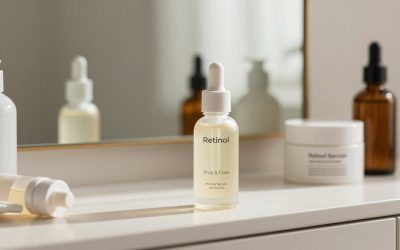
Quick answer: Our top pick in 2026 is the Retinol serum — our #1 rated choice. See the full ranked comparison, alternatives and buying advice below.
What You Need
| Item | Why | Optional? |
|---|---|---|
| Retinol serum | Choose one formula and follow its label. The Ordinary Retinol 1% in Squalane is a high-strength option, typically priced around $10–$15 for 1 fl oz. CeraVe Resurfacing Retinol Face Serum with Niacinamide is a gentler-feeling option, typically around $15–$20 for 1 oz. | No |
| Gentle, non-scrub cleanser | Removes sunscreen, makeup, oil, and dirt without adding exfoliation or unnecessary friction. | No |
| Fragrance-free moisturizer | Supports the skin barrier and can reduce dryness. A cream is often more comfortable than a lightweight lotion for beginners. | No |
| Broad-spectrum sunscreen, SPF 30 or higher | Helps protect skin from ultraviolet exposure, which can worsen discoloration and irritation. | No |
| Clean measuring method | You need only a pea-sized amount for the entire face. A clean fingertip is sufficient; do not use a dropperful by default. | Yes |
| Plain lip balm or petroleum jelly | Protects the corners of the nose and lips, which are common areas for dryness. | Yes |
Before applying any retinol, read the product label and check the concentration. Do not begin with multiple retinol or retinoid products at once. If you have very sensitive skin, eczema, rosacea, or a history of allergic reactions, ask a dermatologist or other qualified clinician for personalized guidance.
Step-by-Step
Check the product and patch-test it — 1 to 2 days
Inspect the packaging for an intact seal, expiration information, and storage instructions. Apply a small amount to a discreet area, such as the side of the jaw or behind the ear, once daily for up to 2 days. Mild dryness can occur with retinol, but marked swelling, hives, blistering, or intense burning is a reason to wash it off and stop using it. A patch test cannot guarantee that your face will not react, but it is a useful precaution.
Choose a night when your skin is calm — 1 minute
Do not start after a sunburn, waxing appointment, aggressive facial, or period of significant irritation. Skip retinol if your skin is cracked, raw, or actively peeling. A calm night with no other new products makes it easier to identify the cause of any reaction.
Cleanse gently — 1 to 2 minutes
Wash with lukewarm water and a mild cleanser. Use your fingertips rather than a brush, washcloth, or scrub. Rinse thoroughly and pat dry with a clean towel. Avoid hot water, which can increase dryness and flushing.
Let your face dry completely — 10 to 20 minutes
Wait until the skin is fully dry before applying retinol. Damp skin can increase penetration and may make irritation more likely. If waiting is inconvenient, use a short buffer period while brushing your teeth or changing clothes. Do not rub the face during this time.
Protect sensitive areas — 30 seconds
Apply a thin layer of plain moisturizer or petroleum jelly to the corners of the nose, the corners of the mouth, and the lips. Keep retinol away from the eyelids, lash line, nostril creases, and broken skin unless a clinician specifically tells you otherwise.
Apply a pea-sized amount — 30 seconds
Use approximately one pea-sized amount for the entire face, not one dropperful. Dot it across the forehead, cheeks, and chin, then spread a thin, even layer. Avoid the eye area and hairline. More product will not produce faster results; it generally increases the chance of irritation.
Moisturize — 1 minute
After the serum has settled, apply moisturizer over the face and neck if the product label allows neck use. Beginners with easily irritated skin can use the “sandwich” method: moisturizer first, a small amount of retinol second, and another thin layer of moisturizer last. This may make the treatment feel gentler, although it can also reduce how strongly it acts.
Use sunscreen the next morning — 2 minutes
Apply broad-spectrum SPF 30 or higher every morning, using enough to cover the face, ears, and neck. For the face alone, many dermatologists use the two-finger guideline: a line of sunscreen along the length of the index and middle fingers. Reapply at least every 2 hours when outdoors, and sooner after swimming or heavy sweating.
Mistakes to Avoid
- Starting nightly: Applying retinol every night from the beginning often causes unnecessary irritation. Start slowly and increase only when your skin remains comfortable.
- Using too much: A pea-sized amount is enough for the whole face. Extra serum does not equal extra benefit.
- Applying it to damp skin: Wait until your face is completely dry.
- Combining several irritating products: On retinol nights, avoid scrubs, strong exfoliating acids, benzoyl peroxide, and other retinoids unless a clinician has specifically designed the routine. Vitamin C products can also be irritating for some people when layered in the same routine.
- Skipping moisturizer: Tightness and peeling are signs to simplify and moisturize, not to increase the dose.
- Ignoring daytime exposure: Retinol users still need sunscreen on cloudy days and near windows. Hats and shade provide useful additional protection.
- Using an unstable or poorly stored product: Follow the label. Many retinol products are sensitive to light, heat, and air. Close the container promptly and store it as directed.
- Applying it to the neck immediately: Neck skin may be more reactive than facial skin. Establish tolerance on the face first, then introduce the neck cautiously if the label permits.
How Often
For the first 2 weeks, apply retinol once weekly. If you have little or no persistent irritation, increase to twice weekly for the next 2 to 4 weeks. After that, you may try every other night. Many people do well at two or three nights per week and do not need nightly use.
Reduce frequency or pause for several days if you develop persistent burning, marked redness, painful cracking, or heavy peeling. Resume only after the skin feels normal, using a smaller amount or a more frequent moisturizer routine. If symptoms keep returning, stop and ask a dermatologist for advice. Visible improvement in texture or fine lines commonly takes several weeks to a few months, so evaluate progress with consistent photos rather than day-to-day changes.
Do not use retinol during pregnancy unless your obstetric clinician specifically advises otherwise. People who are pregnant, trying to become pregnant, or breastfeeding should discuss vitamin A skincare products with a qualified healthcare professional before use.
When to Call a Pro or Replace
Contact a dermatologist or healthcare professional if you experience facial swelling, hives, blistering, severe pain, crusting, eye symptoms, or a rash that does not improve after stopping the product. Professional advice is also worthwhile if you have rosacea, eczema, persistent acne, melasma, or a history of strong reactions to skincare.
Replace the serum if it is past its expiration or period-after-opening recommendation, the packaging is damaged, or the formula has changed noticeably in color, smell, or texture. Retinol in squalane may naturally feel oily, but a sudden rancid odor, unusual separation, or gritty texture is a reason not to use it. Do not transfer the product to another container, and do not share it.
FAQ
Should I use retinol before or after moisturizer?
Apply it to clean, completely dry skin, then follow with moisturizer. If you are sensitive, use moisturizer before and after retinol as a buffer. Keep the retinol layer thin in either routine.
Can I use retinol every night?
Some experienced users tolerate nightly application, but it is not required. Begin once weekly, increase gradually, and stay at the highest frequency that does not cause ongoing dryness or irritation.
Can I use retinol with niacinamide?
Generally, niacinamide is considered compatible with retinol and may be included in the same product, such as a resurfacing serum. Even so, introduce the combination gradually and avoid adding other new actives at the same time.
What should I do if my skin peels?
Pause retinol until peeling and discomfort settle. Use a gentle cleanser, a plain moisturizer, and sunscreen. Do not scrub off flakes or apply acids to speed up the process. If peeling is severe, painful, or persistent, seek professional advice.
Ready to decide? Our #1 pick for 2026 is the Retinol serum.
Live price & availability on Amazon.