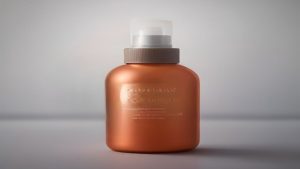
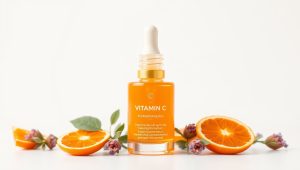
- Top Pick: Tree of Life Vitamin C Serum for Face, Dark Spots Remover Face Oil, 1 Fl Oz
- Best Value: Premium 20% Vitamin C Serum For Face with Hyaluronic Acid, Retinol & Amino Acids – Boost Skin Collagen,Hydrate & Plump Skin, Anti Aging & Wrinkle Facial Serum
- Premium Choice: Timeless 20% Vitamin C + E Ferulic Acid Serum, Antioxidant, 1.7 fl oz
Last updated: October 4, 2026
- Decide These 3 Things First
- Concentration: Match the Percentage to Your Skin
- Size and Shelf Life: Buy What You Can Finish
- Formula Materials: Examine the Supporting Ingredients
- Construction and Packaging: Stability Is Part of Performance
- Comfort and Performance: Judge the Whole Routine
- Price Tiers: What Your Budget Can and Cannot Tell You
- Warranty, Returns, Delivery, and Storage
- Spec Checklist
- Red Flags
- FAQ
Choosing a vitamin C serum is less about finding the biggest percentage on the label and more about matching the formula to your skin, routine, and tolerance. A 20% serum is not automatically twice as effective as a 10% serum, particularly if it is unstable, irritating, or used inconsistently.
Common buying mistakes include confusing “vitamin C complex” with a stated concentration of pure vitamin C, assuming every product uses the same form of the ingredient, and overlooking packaging. A clear bottle with a loose dropper may degrade faster than an opaque, air-restricting pump. Some shoppers also begin with 20% L-ascorbic acid, add retinol at the same time, and then blame vitamin C for redness or peeling.
As an Amazon Associate we earn from qualifying purchases at no extra cost to you.


This guide explains how to choose vitamin C serum concentration in 2026, including what the percentage means, which supporting ingredients matter, and how much to spend. Product examples range from roughly $10 to under $40, but price alone cannot verify potency or stability.
Decide These 3 Things First
- Choose the vitamin C form. L-ascorbic acid is the best-known direct form and is commonly sold at 10% to 20%. Derivatives such as sodium ascorbyl phosphate, magnesium ascorbyl phosphate, ascorbyl glucoside, and tetrahexyldecyl ascorbate may be gentler, but their percentages are not directly comparable to L-ascorbic acid.
- Assess your tolerance. If you have sensitive, dry, rosacea-prone, or easily irritated skin, start with a derivative or a 5% to 10% L-ascorbic acid serum. Normal, combination, and experienced users may prefer 10% to 15%. A 15% to 20% formula is better reserved for people who already tolerate lower strengths.
- Decide how much routine complexity you want. A simple vitamin C, hydrating ingredient, and antioxidant formula is easier to evaluate than a serum containing vitamin C, retinol, exfoliating acids, fragrance, and multiple botanical extracts. More ingredients do not necessarily mean better results.
Concentration: Match the Percentage to Your Skin
For L-ascorbic acid, concentration is a useful starting point, but it is not the only performance factor. A practical guide is:
- 5% to 10%: A sensible range for beginners, sensitive skin, or people who want a lower-irritation introduction.
- 10% to 15%: A middle range for many experienced users who want a stronger formula without immediately choosing the highest available strength.
- 15% to 20%: A high-strength range for users who already tolerate vitamin C and follow a consistent sunscreen routine.
- Above 20%: Not automatically superior. Higher levels can increase stinging, dryness, and oxidation concerns, depending on the formula.
Look for the exact percentage and form on the package. “Vitamin C serum,” “antioxidant complex,” or “brightening blend” does not tell you whether the product contains 5%, 10%, or 20% vitamin C. If the percentage is not disclosed, compare it as an unknown-strength product rather than assuming it is potent.
Size and Shelf Life: Buy What You Can Finish
Most facial serums come in 0.5 to 2 fluid ounces, with 1 fluid ounce being a common size. A 1-ounce bottle contains about 30 milliliters. Using two to three drops once daily may make that amount last roughly two to four months, although drop size and application area vary.
For a first purchase, a 0.5- to 1-ounce bottle limits waste if the formula irritates you. A 1.7-ounce bottle can offer better value for a product you already trust. The Timeless 20% Vitamin C + E Ferulic Acid example is listed at 1.7 fluid ounces, while several lower-priced examples are available in 1 or 2 fluid ounces.
Vitamin C, especially L-ascorbic acid, can darken as it oxidizes. Pale yellow may be normal for some formulas; deep orange, brown, or a noticeably changed smell is a reason to stop using the product. Store it tightly closed in a cool, dark place. Do not leave it on a sunny bathroom windowsill.
Formula Materials: Examine the Supporting Ingredients
In skincare, “materials” means the ingredient system surrounding vitamin C. Hyaluronic acid can add hydration, while vitamin E and ferulic acid are commonly paired with L-ascorbic acid in antioxidant formulas. These additions may make a serum feel more comfortable, but they do not turn an undisclosed concentration into a confirmed 20% product.
Check whether the formula contains fragrance, essential oils, drying alcohol, or a long list of exfoliating acids. These ingredients are not automatically unsuitable, but they can make it harder to identify the cause of irritation. If your skin is reactive, favor a short ingredient list and patch-test before applying the serum to your entire face.
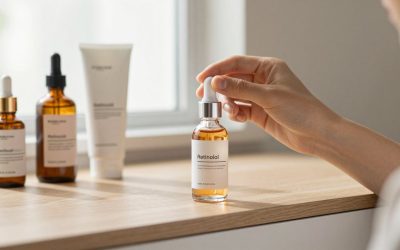
Retinol deserves special attention. One budget example is described as containing 20% vitamin C along with hyaluronic acid, retinol, and amino acids. That combination may appeal to shoppers seeking an all-in-one anti-aging product, but it also combines two potentially irritating actives. Beginners may find it easier to use vitamin C in the morning and retinol on separate nights.
Construction and Packaging: Stability Is Part of Performance
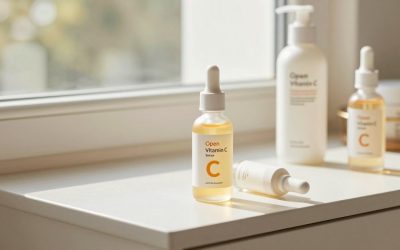
A serum’s packaging cannot prove its effectiveness, but it can help protect the formula. Prefer an opaque, amber, or otherwise light-blocking bottle over clear glass when the product will be exposed to bathroom lighting. An airless pump or a well-sealed pump can reduce repeated air exposure compared with a wide-mouth jar.
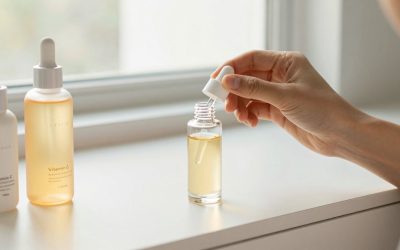
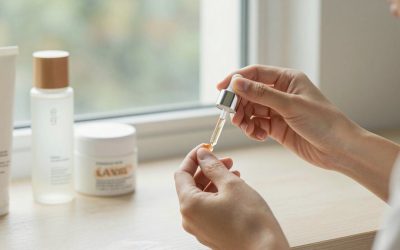
Dropper bottles are common and convenient, but avoid touching the dropper to your skin. That transfers moisture and bacteria back into the bottle. Make sure the cap closes securely and that the bottle does not leak when stored upright.
Packaging size also affects freshness. If you use a 2-ounce bottle only once or twice a week, it may sit open for many months. A smaller bottle used regularly can be a better choice than a large bargain package.
Comfort and Performance: Judge the Whole Routine
Some tingling can occur with acidic L-ascorbic acid, particularly at higher concentrations, but persistent burning, swelling, hives, or intense redness is not a sign that the serum is “working better.” Stop using it and simplify your routine if irritation develops.
Apply a few drops to clean, dry skin, then follow with moisturizer. In the morning, use broad-spectrum sunscreen with SPF 30 or higher. Vitamin C does not replace sunscreen, and a brightening routine is difficult to evaluate if unprotected sun exposure continues.
Introduce one new active at a time and use a patch test first. Start every other morning or two to three times per week, then increase only if your skin remains comfortable. Avoid applying a high-strength vitamin C serum in the same routine as strong exfoliating acids or benzoyl peroxide until you know how your skin responds.
Price Tiers: What Your Budget Can and Cannot Tell You
Budget vitamin C serums commonly cost about $8 to $15. The Tree of Life example is listed for under $10, and another 2-fluid-ounce formula is listed for under $20. These prices can be attractive for testing a lower-strength or derivative formula, but check that the percentage and vitamin C form are clearly stated.
Midrange products often cost about $15 to $30. They may offer better packaging, a more specific ingredient system, or a smaller-batch positioning, but price still does not establish stability or clinical performance.
Premium products generally cost about $30 to $60 or more. The Timeless 20% example is listed for under $40. Paying more may get you a preferred texture, opaque packaging, or a carefully specified combination such as vitamin C, vitamin E, and ferulic acid. It does not mean a premium serum is suitable for sensitive skin or that it will outperform every less expensive option.
Warranty, Returns, Delivery, and Storage
Skincare usually does not have a traditional warranty like furniture or electronics. Instead, review the seller’s return policy, expiration or period-after-opening guidance, and replacement process for leaks or damaged packaging. Some retailers restrict returns on opened cosmetics, so confirm the terms before buying.
Delivery matters during hot or freezing weather. A serum that arrives warm, leaking, or with a broken seal should not be used. Choose a seller with clear batch, shipping, and customer-service information. Once delivered, photograph damaged packaging and contact the retailer promptly.
Do not stockpile several bottles just because the price is low. Buy enough for approximately two to four months, store it away from heat and sunlight, and replace it if its color or odor changes substantially.
Spec Checklist
| Spec | Budget | Mid | Premium |
|---|---|---|---|
| Typical price | $8–$15 | $15–$30 | $30–$60+ |
| Typical size | 1–2 fl oz | 0.5–1.7 fl oz | 0.5–1.7 fl oz |
| Best concentration starting point | 5%–10% | 10%–15% | 15%–20%, for experienced users |
| Vitamin C labeling | Look for an exact form and percentage | Exact form, percentage, and supporting ingredients | Detailed formula and packaging information |
| Preferred packaging | Opaque or amber bottle with secure cap | Light-blocking bottle and reliable dropper or pump | Opaque, air-restricting pump or carefully sealed bottle |
| Best use case | Testing vitamin C or choosing a gentler formula | Regular users seeking a balanced formula | Experienced users prioritizing a high-strength formula |
Red Flags
- The label says “vitamin C complex” but gives no form or percentage.
- The product makes guaranteed claims about removing dark spots, wrinkles, or producing permanent results.
- The serum arrives brown, unusually dark, separated, or foul-smelling.
- A 20% claim appears alongside several other active ingredients without clear ingredient ordering or usage instructions.
- The bottle is clear, loosely capped, and packaged without protection from light.
- The seller provides no batch, expiration, return, or damaged-delivery information.
- You are encouraged to use a strong vitamin C serum with retinol and exfoliating acids immediately, without any irritation guidance.
FAQ
Is 10% or 20% vitamin C better?
Neither is universally better. A 10% formula may be the better choice if it is comfortable and used consistently. A 20% L-ascorbic acid serum may suit an experienced user, but higher concentration can also bring more irritation. Choose the lowest strength that fits your goals and tolerance.
What concentration should a beginner use?
Start with 5% to 10%, particularly if you have sensitive or dry skin. Use it two or three times per week at first. If your skin remains comfortable after several weeks, you can consider increasing frequency or moving to a stronger formula.
Can I use vitamin C with retinol?
Yes, many people use vitamin C in the morning and retinol at night. If a serum combines both ingredients, introduce it cautiously because the combination may be irritating. Moisturizer and daily SPF 30 or higher are important parts of the routine.
How long should a vitamin C serum last?
A 1-ounce bottle may last about two to four months when used once daily, depending on how many drops you apply. Replace the product if it undergoes a major color or odor change, and store it tightly closed in a cool, dark location.
Ready to decide? Our #1 pick for 2026 is the Typical price.
Live price & availability on Amazon.