Last updated: November 1, 2026
- What is Rhode Peptide Glazing Fluid?
- Is Rhode Peptide Glazing Fluid good for skin?
- What do peptides do in skincare?
- Rhode peptide glazing fluid for acne-prone skin
- Is it a serum to use before moisturiser?
- Glazing fluid vs serum: what is the difference?
- How it pairs with other Rhode products
- How to apply Rhode glazing fluid
- Who should be careful with it?
- Is Rhode Peptide Glazing Fluid worth it?
- Peptide glazing fluid opinie: what do reviews say?
- Frequently Asked Questions
Rhode Peptide Glazing Fluid is a lightweight, peptide-focused hydrating product that sits between a serum and a moisturizer in your routine. It is applied after cleansing and before your moisturizer, and it is mainly aimed at a smooth, dewy-looking finish rather than at treating any skin condition. Whether it is worth it depends on your budget and expectations, because a lot of what it does can be done by simpler, cheaper serums.
What is Rhode Peptide Glazing Fluid?
Rhode is the skincare brand founded by Hailey Bieber, and the Peptide Glazing Fluid is one of its best-known launches. The brand markets it as a hydrating, peptide-containing fluid that leaves skin with a glossy, glazed look. The word glazing is a marketing term for that finish, not a technical product category.
Formulas change, so check the brand’s page for the current ingredient list, size and directions before you buy. We have not run lab tests on this product, and this review draws on the brand’s published positioning and on general knowledge of how peptide and hydrating products work. It is not medical advice.
Is Rhode Peptide Glazing Fluid good for skin?
For most normal-to-dry and combination skin, a light peptide and humectant-type fluid is a reasonable, low-risk addition. Here is what such products can realistically do:
- Add surface hydration. Humectant ingredients draw water into the top layers of skin, which can make skin look plumper and smoother for a few hours.
- Support a healthy-looking finish. The glossy look comes from the texture and film left on skin, and it fades or can be covered by makeup.
- Fit easily into routines. It is not meant to replace sunscreen, moisturizer or targeted actives.
What it will not do is deliver dramatic anti-aging results on its own. Peptides in skincare are a widely used and generally well-tolerated ingredient group, but results from topical peptides are usually modest, and they depend on the specific peptide, the formula and how consistently you use it. We would treat it as a hydrating, skin-feel product with a nice finish, and be cautious of any promise beyond that.
What do peptides do in skincare?
Peptides are short chains of amino acids. In skincare they are used in several ways, and different peptides are marketed for different goals, such as supporting the look of firmness or smoothness. Because skin is a barrier, how far an ingredient penetrates and how much it changes skin depends on the molecule and the formula. Brands rarely publish concentration, so it is hard to compare products by peptide content alone.
If peptides interest you more than the Rhode branding does, our guides to Korean peptide anti-aging serums and the Eqqualberry NAD peptide serum cover other approaches, often at different price points.
Rhode peptide glazing fluid for acne-prone skin
This is the question we see most often, and the honest answer is that it depends on your skin and on the current formula. No hydrating product is guaranteed to be non-clogging for everyone. Acne-prone skin can still benefit from hydration, particularly if you use drying acne treatments, but the product has to be tolerated.
How to approach it if your skin breaks out easily:
- Read the full ingredient list. Look for anything you already know you react to, including fragrance, essential oils or heavy oils and butters.
- Patch test first. Try a small area along the jawline for several days before applying all over.
- Introduce it alone. Do not start it in the same week as a new acne treatment, or you will not know what caused a change.
- Use a small amount. More product does not mean more benefit, and a tacky layer can trap sunscreen and makeup.
- Stop if breakouts or irritation worsen. Ask a dermatologist if acne is persistent or painful.
A note about the term non-comedogenic: it is not a regulated guarantee, so treat it as a hint and not proof.
Is it a serum to use before moisturiser?
Yes, in practice you use it like a serum: after cleansing and any toner or essence, before moisturizer. Skincare layering generally runs from thinnest to thickest, so a watery or gel-like fluid goes on first and your cream goes on top to seal it in. In the morning, finish with sunscreen.
| Step | Morning | Evening |
|---|---|---|
| 1 | Cleanser | Cleanser |
| 2 | Toner or essence (optional) | Toner or essence (optional) |
| 3 | Peptide glazing fluid | Treatment or actives if you use them |
| 4 | Moisturizer | Peptide glazing fluid |
| 5 | Sunscreen | Moisturizer |
If you use strong actives such as retinoids or exfoliating acids, there are two common approaches: apply the hydrating fluid first on slightly damp skin, or use it afterward as a buffer. If your skin is sensitive, follow the instructions on your active product and check with a dermatologist.
Glazing fluid vs serum: what is the difference?
There is not a strict difference. A serum is a broad category: a concentrated, usually lightweight product that delivers specific ingredients. A glazing fluid is a brand name for a product with a thin, fluid texture and a glossy finish, so it behaves like a hydrating serum. The practical differences are mostly texture, finish and marketing.
| Feature | Glazing fluid | Typical serum |
|---|---|---|
| Texture | Thin, fluid, slightly glossy | Varies: watery to gel to light lotion |
| Main goal | Hydration and glossy finish | Varies by active (hydration, brightening, etc.) |
| Position in routine | After cleansing, before moisturizer | Same |
| Replaces moisturizer | No | No |
If you want a basic hydrating serum, a Korean hyaluronic acid serum may do a similar job for less. The case for the Rhode product is the finish, the brand and the packaging, which are legitimate preferences, just not the same as better results.
How it pairs with other Rhode products
Many people use the fluid together with the brand’s moisturizers. If you are considering a barrier cream as the next step, read our review of the Rhode Barrier Restore Cream for how it feels and who it suits. You do not need to buy a full brand lineup; a single hydrating fluid plus a moisturizer you already like is enough.
How to apply Rhode glazing fluid
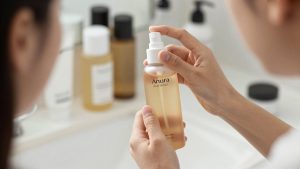
Technique matters more with a thin, glossy product than with a cream. Start with a clean, slightly damp face. Dispense a small amount, warm it between your fingertips, and press it into skin rather than rubbing, which helps avoid pilling. Wait a minute or so, then follow with moisturizer. In the morning, sunscreen goes on last.
If the product feels tacky for a long time, you are probably using too much. Cut the amount in half before concluding that it does not suit you. If it pills under sunscreen or makeup, try a thinner layer of each product and give each step a short pause to settle.
Who should be careful with it?
- People with fragrance or botanical sensitivities. Check the current ingredient list for anything on your personal avoid list.
- Anyone with an active flare of eczema, rosacea or dermatitis. Introduce new products only after checking with your clinician.
- People who want treatment-level results. Prescription or over-the-counter actives with stronger evidence, such as sunscreen, retinoids and targeted acne ingredients, are different from a hydrating fluid and need professional guidance.
Keep expectations simple: a hydrating fluid is a comfort and finish product. If it looks nice and feels good, and your skin stays calm, it has done its job.
Is Rhode Peptide Glazing Fluid worth it?
Here is how we weigh it:
- Worth considering if you like a glossy, hydrated finish, tolerate peptide products, and are happy to pay for a brand and a pleasant texture.
- Probably skip if you are on a budget, have very reactive skin and no patch-testing patience, or want proven results for a specific concern such as acne or pigmentation.
- Better value elsewhere if your goal is just hydration, since simple humectant serums exist at lower prices.
You can compare current listings and sizes through this Amazon search for Rhode Peptide Glazing Fluid. Check the seller carefully, since resold skincare can be a risk, and buying from the brand directly is the safest route for authenticity.
Peptide glazing fluid opinie: what do reviews say?
Searches for opinie (the Polish word for reviews) show that interest in this product extends well beyond English-speaking markets. Across review sites and social media, the common themes tend to be a pleasant texture and glossy finish on the positive side, and questions about price and visible long-term results on the other. Treat individual reviews as anecdotes: skin type, climate, other products and expectations all change the outcome. Look for reviewers whose skin type matches yours, and be cautious of posts that do not disclose sponsorship or affiliate links.
Frequently Asked Questions
Is Rhode Peptide Glazing Fluid good for acne-prone skin?
It can work for some acne-prone skin and not for others, since the answer depends on your triggers and the current ingredient list. Patch test, introduce it on its own, and stop if you see new breakouts. See a dermatologist for persistent acne.
Is Rhode Peptide Glazing Fluid good for skin in general?
For many skin types, a light peptide and hydrating fluid is a low-risk way to add comfort and a dewy finish. Expect modest cosmetic benefits, not dramatic changes.
What is Rhode glazing fluid, and is it a serum to use before moisturiser?
It is a thin, hydrating peptide product that behaves like a serum. Apply it after cleansing and before moisturizer, then add sunscreen in the morning.
What do people say in peptide glazing fluid opinie (reviews)?
Feedback usually praises the texture and finish and questions the price. Individual experiences vary a lot, so look for reviewers with a similar skin type to yours.
What is the difference between glazing fluid and serum?
Glazing fluid is a brand term for a fluid-textured, glossy-finish hydrating product, which functions like a serum. The difference is mostly texture and marketing, not a separate category of skincare.
This article is general information and not medical advice. If you have acne, eczema, rosacea or another skin condition, ask a doctor or dermatologist before changing your routine.