Last updated: October 12, 2026
- Rhode Barrier Restore Cream at a glance
- What is inside
- Rhode Barrier Restore Cream ingredients explained
- Rhode Barrier Restore Cream vs Barrier Butter: are they the same?
- Is Rhode Barrier Restore Cream good for sensitive skin?
- Is Rhode Barrier Restore Cream good for oily or acne-prone skin?
- Does Rhode Barrier Restore Cream work for dry skin and winter?
- How it performs by skin type
- Texture and finish
- How to use it
- Rhode Barrier Restore Cream alternatives: CeraVe, La Roche-Posay, Vanicream, and Illiyoon compared
- Which should you buy: Rhode or a cheaper barrier cream?
- How it compares
- How to build a routine around Rhode Barrier Restore Cream
- Who will love it
- Rhode Barrier Restore Cream pros and cons
- Value
- Signs your barrier is recovering
- Which moisturizer should you pick? A scenario guide
- How we evaluated Rhode Barrier Restore Cream
- When to see a dermatologist
- More Rhode Barrier Restore Cream questions
- FAQ
- Bottom line
Rhode Barrier Restore Cream is the brand’s lightweight barrier moisturizer, designed to support a stressed or dry skin barrier. It comes in a 50 ml tube. Rhode is known for minimalist packaging and a small, focused line-up, and this cream is pitched as a comfort layer for dry, irritated, or over-exfoliated skin. This review looks at what is in it, how it performs by skin type, and how it compares with other barrier creams.
Updated October 2026 — Rhode Barrier Restore Cream is a fragrance-free, vegan-listed barrier moisturizer that suits normal, dry, combination, and sensitive skin, and it is lighter and faster-absorbing than its name might suggest. Based on its published ingredient list, it works through humectants (glycerin, sodium hyaluronate), emollients (shea butter, squalane, caprylic/capric triglyceride), niacinamide, and a group of peptides. It does not list ceramides. It is a good fit if you want a comfortable daily moisturizer and are willing to pay more than a pharmacy staple; it is not the best value if you only need basic barrier lipids.
Top 3 picks in this review, by exact name: Rhode Barrier Restore Cream (the subject of this review), CeraVe Moisturizing Cream (the budget ceramide benchmark), and La Roche-Posay Cicaplast Baume B5 (the soothing, occlusive option for irritated skin). If you came here searching for “Rhode Barrier Butter” or “barrier cream Rhode,” note that Barrier Butter is a different, richer product; the difference is explained below.
This review is research-based. We compared the brand’s published ingredient list, third-party ingredient databases, and editor and user commentary, and we did not run a clinical study. It is general education, not medical advice. If you have eczema, rosacea, a condition that damages the barrier, or you use prescription products, check with a dermatologist before changing your routine.
Rhode Barrier Restore Cream at a glance
Here is the product in one table, so you can decide quickly whether it is worth reading further. Details come from the brand’s listing and third-party ingredient databases; always confirm against the packaging.
| Spec | Details |
|---|---|
| Product | Rhode Barrier Restore Cream |
| Size | 50 ml (1.7 fl oz) tube |
| Price tier | Under $35 for the standard tube |
| Texture | Lightweight cream that absorbs cleanly |
| Fragrance | Fragrance-free |
| Key ingredients | Glycerin, shea butter, squalane, niacinamide, sodium hyaluronate, bisabolol, peptides |
| Not listed | Ceramides, petrolatum, silicones, fragrance |
| Best for | Normal, dry, combination, and sensitive skin; daily moisturizer under sunscreen or makeup |
| Less suited to | Very dry skin in winter that needs a heavy occlusive; shoppers wanting ceramides or the lowest cost per ml |
Quick verdict: a polished everyday moisturizer with a short, fragrance-free formula and a pleasant finish. The peptides and niacinamide are present, but their amounts are not disclosed, so treat them as bonuses rather than the reason to buy.
What is inside
The published ingredient list centers on emollients such as caprylic/capric triglyceride, shea butter and squalane, with glycerin, niacinamide and other humectant and soothing ingredients. The goal is to replace some of the lipids that dry or compromised skin lacks and to reduce water loss. It is fragrance-free in most markets, but always check the current ingredient list.
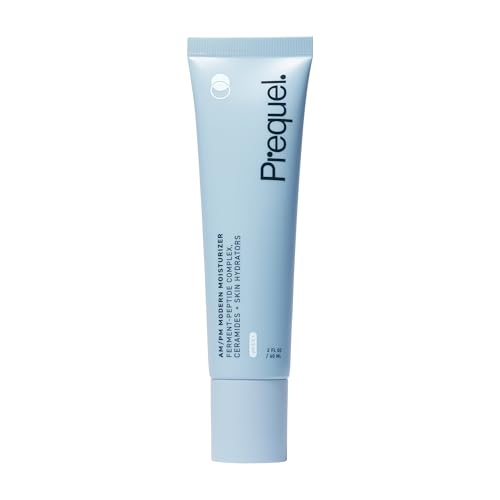
Prequel Skin Face Moisturizer Peptide Cream With Ceramides Glycerin Barrier
Included for 'Rhode Barrier Restore Cream Review: Does It Actually Work?' as a representative home product in this roundup; selection reflects the product set returned for this topic.
View on Amazon
Skinfix Triple Lipid-Peptide Cream - 1.7 oz - Rich Face Moisturizer with Hyaluronic Acid - Hydrates & Restores Dry, Sensitive Skin - Non-Comedogenic, Fragrance Free, Vegan, Cruelty Free
Included for 'Rhode Barrier Restore Cream Review: Does It Actually Work?' as a representative home product in this roundup; selection reflects the product set returned for this topic.
View on Amazon
AESTURA ATOBARRIER365 Cream with Ceramides, 80 ML
Included for 'Rhode Barrier Restore Cream Review: Does It Actually Work?' as a representative home product in this roundup; selection reflects the product set returned for this topic.
View on Amazon
ANUA 3 Ceramide Panthenol Moisture Barrier Cream, 3.38 fl oz
Included for 'Rhode Barrier Restore Cream Review: Does It Actually Work?' as a representative home product in this roundup; selection reflects the product set returned for this topic.
View on Amazon
Dr.Reju-All Advanced LC-Ceramide Barrier Cream 1.69 Fl Oz
Included for 'Rhode Barrier Restore Cream Review: Does It Actually Work?' as a representative home product in this roundup; selection reflects the product set returned for this topic.
View on AmazonRhode Barrier Restore Cream ingredients explained
The published ingredient list is short at the top and long at the bottom, which is typical of a cream with a modest number of actives. The first ten ingredients make up most of the formula. Concentrations are not disclosed by the brand; any percentage you read online is a third-party estimate from ingredient order, so treat it as a rough guide only.
| Position | Ingredient | Role |
|---|---|---|
| 1 | Aqua (Water) | Base |
| 2 | Glycerin | Humectant that draws water into the skin |
| 3 | Caprylic/Capric Triglyceride | Lightweight emollient that softens and smooths |
| 4 | Butyrospermum Parkii (Shea) Butter | Emollient rich in fatty acids; adds cushion |
| 5 | Behenyl Alcohol | Fatty alcohol that thickens and conditions |
| 6 | Xylitylglucoside | Sugar-derived humectant |
| 7 | Niacinamide | Vitamin B3; commonly used to support barrier comfort and an even look |
| 8 | Squalane | Lightweight emollient similar to a skin lipid |
| 9 | Sodium Acrylates Copolymer | Texture builder |
| 10 | Phenoxyethanol | Preservative |
| Later | Anhydroxylitol, lecithin, bisabolol, sodium hyaluronate, tocopherol, acai fruit extract, teprenone | Humectants, soothing and antioxidant ingredients |
| Later | Acetyl Tetrapeptide-2, Palmitoyl Heptapeptide-27, Palmitoyl Oligopeptide-78, Palmitoyl Octapeptide-24 | Peptides; amounts undisclosed |
What is not in the formula
This matters because it affects how the cream should be described. Ingredient databases do not show ceramides in the list, and there is no petrolatum, no mineral oil, no silicones such as dimethicone, and no added fragrance. If you want a cream whose main selling point is ceramides, look at a different product; the comparison section below covers several.
Niacinamide: how much is in it?
Third-party analyses estimate niacinamide at roughly 1.6 to 2 percent based on its position, but the brand does not disclose it. At low single-digit levels niacinamide is generally well tolerated and often used for skin that looks uneven or oily-prone. If you have used higher-strength niacinamide serums, you will likely not notice a big difference from this cream, so do not buy it as a substitute for a dedicated serum.
The four peptides: what they are and what to expect
The cream lists four peptides: Acetyl Tetrapeptide-2, Palmitoyl Heptapeptide-27, Palmitoyl Oligopeptide-78, and Palmitoyl Octapeptide-24. They appear lower in the list, which implies small amounts. Peptides in moisturizers are marketed for firmness and a smoother look, and the evidence for visible results in rinse-off or leave-on creams at low levels is limited and varies by peptide. Think of them as a nice extra, not a treatment.
Shea butter, squalane, and fungal acne
Shea butter and caprylic/capric triglyceride are both emollients. Some online ingredient checkers flag shea butter for people prone to fungal acne (Malassezia folliculitis), but those checkers are crude tools and individual reactions vary. If you have a history of fungal acne, a dermatologist can advise whether this cream is safe for you.
Preservatives and sensitivities
The cream uses phenoxyethanol, a widely used preservative. Ingredient safety databases rate its irritation potential as low to moderate. Most people tolerate it, but anyone with a known sensitivity should patch test. Fragrance-free does not mean allergy-free.
Why barrier support matters
The skin barrier is the outer layer that keeps water in and irritants out. When it is disrupted — by harsh cleansers, over-exfoliation, weather, or strong actives — skin can feel tight, sting when products are applied, and look red or flaky. Barrier creams help by supplying lipids and creating a protective film while the skin recovers.
Rhode Barrier Restore Cream vs Barrier Butter: are they the same?
People searching “Rhode barrier butter cream review” or “is the Rhode Barrier Butter cream for dry skin” are often looking at two different products. The Barrier Restore Cream, reviewed here, is the lighter daily moisturizer. Barrier Butter is described by users and creators as a thicker, more occlusive product for extra-dry skin or overnight use. Those descriptions come mostly from social posts, not from the brand’s own technical material, so check the product page on the Rhode site for the exact formula, size, and directions before you buy either one.
| Question | Barrier Restore Cream | Barrier Butter |
|---|---|---|
| Texture | Lightweight cream | Thicker, more emollient |
| Typical use | Daily moisturizer, AM and PM | Extra dry areas or overnight |
| Skin type | Normal, combination, dry, sensitive | Dry to very dry |
| Under sunscreen or makeup | Usually fine | May feel heavy |
Is Rhode Barrier Restore Cream good for sensitive skin?
For many people, yes. The formula is fragrance-free, has no essential oils, no silicones, no parabens, and no sulfates, and it avoids harsh alcohols. Those are the characteristics most often associated with sensitive-skin-friendly moisturizers. It is not a medical product and cannot promise to calm a flare of eczema or rosacea. People with those conditions should ask a dermatologist and patch test first. Persistent burning, swelling, or hives are reasons to stop and seek advice.
How to patch test Rhode Barrier Restore Cream
- Apply a pea-sized amount to the inner forearm or behind the ear.
- Leave it for 24 hours without washing.
- Look for redness, itching, bumps, or swelling.
- If nothing happens, try a thin layer on one cheek for another two days, then apply to the whole face.
Is Rhode Barrier Restore Cream good for oily or acne-prone skin?
Many editors with oily skin describe it as non-greasy and wearable, while others with oily, acne-prone skin found it hard to fit into an already full routine. That mixed picture is realistic. The formula is free of mineral oil and heavy occlusives, but it contains shea butter and caprylic/capric triglyceride, which some acne-prone people avoid. If you are acne-prone, try it at night first, use a thin layer, and stop if you see new congestion. Anyone being treated for acne should check with their dermatologist.
Does Rhode Barrier Restore Cream work for dry skin and winter?
It gives good everyday comfort to normal and mildly dry skin. For skin that is very dry, flaky, or exposed to cold wind and indoor heating, a cream with more ceramides or an occlusive layer may feel more protective. A practical approach is to use Barrier Restore Cream as your base and add a small amount of a thicker balm over dry patches at night.
What an “I use it every day” routine looks like
In the morning: gentle cleanser or water rinse, optional serum, a pea-to-almond-sized amount of the cream, broad-spectrum SPF 30 or higher. At night: cleanser, treatment if you use one (on its own night), the cream, and a light occlusive on very dry patches if needed.
How it performs by skin type
| Skin type | Fit | Notes |
|---|---|---|
| Dry | Very good | Comfortable throughout the day |
| Sensitive / compromised | Very good | Soothing, comforting texture |
| Normal | Good | Lightweight enough for most seasons; layer more in winter |
| Combination | Fair–good | Use on dry areas or at night |
| Oily / acne-prone | Fair | Patch test first |
Texture and finish
It is a lightweight cream that spreads easily and leaves a soft finish. It absorbs more quickly than many heavy barrier creams, which makes it wearable under sunscreen and makeup in a thin layer. At night, a slightly thicker layer works as a comfortable seal.
How to use it
- After cleansing and serums, apply a pea to almond-sized amount to face and neck.
- Use morning and/or evening.
- In the morning, follow with broad-spectrum SPF 30+.
- During barrier recovery, simplify your routine: gentle cleanser, this cream, and sunscreen only.
Pairing with actives
It is a helpful partner for retinoids and exfoliating acids, which can dry and irritate. Applying it after a retinoid can reduce flaking. For sensitive users, using it before and after the retinoid (the “sandwich” method) lowers irritation further.
Rhode Barrier Restore Cream alternatives: CeraVe, La Roche-Posay, Vanicream, and Illiyoon compared
If the price, the peptide-and-niacinamide approach, or the lack of ceramides gives you pause, these four alternatives cover the main reasons shoppers look elsewhere. Each is a widely available moisturizer with a published ingredient list. The table compares approach rather than declaring a winner, because the best choice depends on whether you want lipids, soothing, or minimalism.
| Product | Approach | Key ingredients | Texture | Price tier | Best for |
|---|---|---|---|---|---|
| Rhode Barrier Restore Cream | Humectants, emollients, niacinamide, peptides | Glycerin, shea butter, squalane, niacinamide, peptides | Lightweight cream | Under $35 | Normal to dry, sensitive; elegant daily cream |
| CeraVe Moisturizing Cream | Barrier lipids | Ceramide NP, AP, EOP; cholesterol; phytosphingosine; hyaluronic acid; petrolatum | Rich cream | Under $20 | Dry skin, budget |
| La Roche-Posay Cicaplast Baume B5 | Soothing, occlusive balm | Panthenol, madecassoside, shea butter, dimethicone | Thick balm | Under $25 for 1.35 oz | Irritated, over-exfoliated skin |
| Vanicream Moisturizing Cream | Minimalist, free of common irritants | Formulated without fragrance and common irritants | Rich, plain cream | Under $20 | Very sensitive, allergy-prone skin |
| Illiyoon Ceramide Ato Concentrate Cream | Korean ceramide cream | Ceramide-focused formula for dry and sensitive skin | Rich cream | Under $20 | Dry skin, face and body |
CeraVe Moisturizing Cream — Best budget ceramide alternative
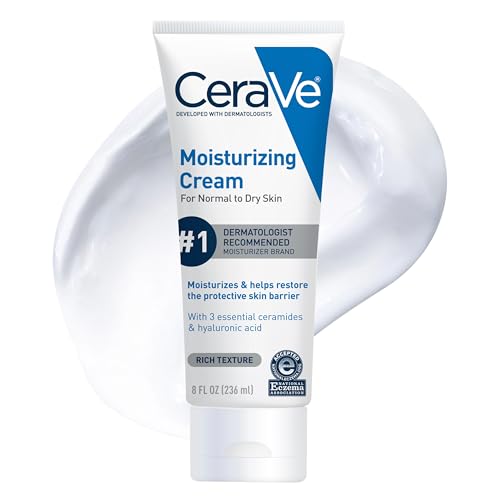
CeraVe Moisturizing Cream, Face Body Moisturizer, Normal to Dry Skin, 8 Fl Oz
Included for 'Rhode Barrier Restore Cream Review: Does It Actually Work?' as a representative home product in this roundup; selection reflects the product set returned for this topic.
View on Amazon- Published ingredients include Ceramide NP, Ceramide AP, Ceramide EOP, cholesterol, phytosphingosine, and sodium hyaluronate
- Contains petrolatum and dimethicone for occlusion
- Fragrance-free formula for face and body
- Available in tub sizes that cost far less per ml than a boutique tube
Pros: true barrier lipids, very affordable, easy to find, large sizes.
Cons: heavier and more occlusive than Rhode; contains silicone and petrolatum if you avoid them.
Skip it if… you want a silicone-free, lightweight cream with peptides and niacinamide.
La Roche-Posay Cicaplast Baume B5 — Best for irritated or over-exfoliated skin

La Roche-Posay Cicaplast Balm B5, Healing Ointment and Soothing Therapeutic Multi Purpose Cream for Dry & Irritated Skin, Body and Hand Balm, Baby Safe, Fragrance Free
Included for 'Rhode Barrier Restore Cream Review: Does It Actually Work?' as a representative home product in this roundup; selection reflects the product set returned for this topic.
View on Amazon- Soothing-focused formula with panthenol (vitamin B5), madecassoside, and zinc gluconate
- Thick balm texture that works as a protective layer
- Marketed for dry, irritated skin and used on small patches as well as the face
- Fragrance-free; check regional versions because formulas differ
Pros: strong comfort factor; good for short recovery periods after retinoids or exfoliants.
Cons: thick and occlusive; can feel heavy for oily skin; contains silicones.
Skip it if… you want a light day cream under makeup.
Vanicream Moisturizing Cream — Best minimalist option for very sensitive skin
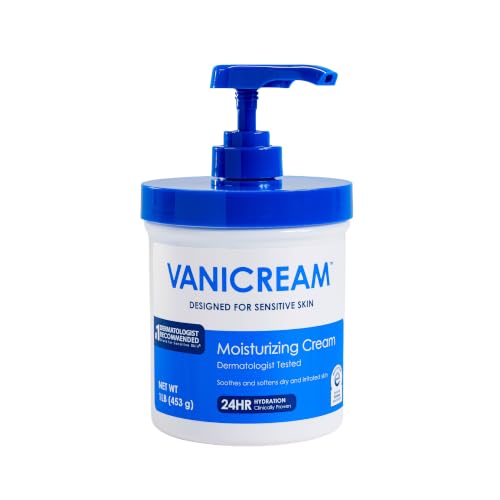
Vanicream Moisturizing Cream, Body & Face Moisturizer, 16 Oz Pump Dispenser
Included for 'Rhode Barrier Restore Cream Review: Does It Actually Work?' as a representative home product in this roundup; selection reflects the product set returned for this topic.
View on Amazon- Formulated without fragrance, dyes, lanolin, parabens, or other common irritants, according to the brand
- Pump dispenser in a 16 oz size for face and body
- Plain, no-frills texture designed for sensitive skin
Pros: very low-frills; large value size.
Cons: no skin-active extras like niacinamide or peptides; texture can feel basic.
Skip it if… you want a more elegant finish or added actives.
Illiyoon Ceramide Ato Concentrate Cream — Best Korean ceramide cream for dry skin

Illiyoon Ceramide Ato Concentrate Cream | Moisturizer for Dry & Sensitive Skin, 100hr Lasting Hydration, For Face & Body, Gentle for Infants, Moisture Barrier Repair, Vegan Certified, 6.76 fl.oz.
Included for 'Rhode Barrier Restore Cream Review: Does It Actually Work?' as a representative home product in this roundup; selection reflects the product set returned for this topic.
View on Amazon- Korean moisturizer built around ceramides for dry and sensitive skin
- Marketed for long-lasting hydration on both face and body
- Cream texture aimed at dry skin; check the current label for full ingredients
Pros: ceramide-focused at a modest price; good for dry skin.
Cons: richer feel may not suit oily skin; check the label for fragrance-type ingredients if you are sensitive.
Skip it if… you prefer a very light gel-cream.
Which should you buy: Rhode or a cheaper barrier cream?
If your skin barrier is damaged and you want the most protective, evidence-friendly basics, a ceramide cream such as CeraVe or a soothing balm such as Cicaplast is a reasonable first choice. If your skin is stable and you want a refined texture, a short fragrance-free ingredient list, and a cream that sits well under sunscreen, Rhode is a pleasant daily option. Many people use a pharmacy cream during recovery and switch to a preferred texture later.
How it compares
Pharmacy barrier creams with ceramides often cost noticeably less for similar sizes. Their textures are often heavier or more “clinical,” but the core function is similar. Rhode’s cream offers a more elegant feel and minimalist branding. If you enjoy the texture and it keeps your skin comfortable, the price difference may be worth it. If budget is a concern, a pharmacy ceramide cream will do much of the same job.
How to build a routine around Rhode Barrier Restore Cream
The cream is a flexible final step in most routines. These examples show how it fits with different priorities. They are general suggestions, not medical advice.
| Goal | Morning | Night |
|---|---|---|
| Simple daily routine | Cleanser, cream, SPF | Cleanser, cream |
| Barrier recovery | Water rinse or gentle cleanser, cream, SPF | Gentle cleanser, cream; pause actives |
| Retinoid user | Cleanser, cream, SPF | Cleanser, retinoid, cream (or cream before and after) |
| Vitamin C user | Cleanser, vitamin C, cream, SPF | Cleanser, cream |
| Exfoliating acid user | Cleanser, cream, SPF | Cleanser, acid on its own night, cream |
A 14-day barrier reset using the cream
- Days 1 to 3: Stop exfoliating acids, retinoids, and scrubs. Use a gentle cleanser, the cream, and sunscreen only.
- Days 4 to 7: Keep the routine minimal. If stinging fades, you are on track.
- Days 8 to 10: If skin feels comfortable, bring back one active at a low frequency, such as a retinoid once a week.
- Days 11 to 14: Add a second night only if your skin stays calm.
If redness, burning, or flaking persists beyond two weeks, or you see swelling or weeping, see a dermatologist.
How much to use
A pea-sized amount covers the face, and an almond-sized amount covers face and neck. Over-applying will not speed recovery and may leave a film. Warm the cream between fingers and press it in.
Can you use Rhode Barrier Restore Cream under makeup and sunscreen?
Because it absorbs cleanly, it usually works under sunscreen and makeup. Give it a minute to set. If you see pilling, use less cream or switch the order of your serum.
Can you use it on your neck, body, or lips?
The neck is fine. The 50 ml tube is expensive for body use, so a cheaper tub makes more sense there. The brand sells other lip products designed for lips.
Who will love it
- Dry and sensitive skin types wanting an elegant, comforting moisturizer.
- People recovering from over-exfoliation or retinoid irritation.
- Those who prefer a streamlined, fragrance-free routine.
Who might prefer something else
- Very oily or acne-prone skin, which may prefer a gel moisturizer.
- Shoppers who want the most cost-effective barrier support.
Rhode Barrier Restore Cream pros and cons
| Pros | Cons |
|---|---|
| Fragrance-free and free of silicones, parabens, and sulfates | No ceramides in the ingredient list |
| Lightweight and absorbs cleanly under sunscreen and makeup | Peptide and niacinamide amounts are undisclosed |
| Short, readable formula with niacinamide, squalane, and sodium hyaluronate | Costs more per ml than pharmacy creams |
| Vegan and cruelty-free listing | May not be rich enough for very dry winter skin |
| Pleasant texture people actually use daily | Small 50 ml tube runs out quickly with twice-daily use |
Who should skip Rhode Barrier Restore Cream?
- People who want a ceramide-rich cream as the main barrier repair step.
- Those with very dry, cracked, or eczema-prone skin, who should ask a dermatologist about richer or medicated options.
- Anyone with a history of fungal acne who has not checked the ingredients with a clinician.
- Shoppers on a strict budget who want the lowest cost per ml.
Value
It sits in the mid-premium range for a 50 ml tube. Used twice daily it may last roughly two months; used once daily at night it can last longer.
Signs your barrier is recovering
When the barrier improves, products stop stinging, redness settles, flaking reduces, and skin feels comfortable for longer after cleansing. This usually takes one to four weeks. Once skin feels stable, you can slowly reintroduce actives one at a time.
Which moisturizer should you pick? A scenario guide
| Your situation | Best pick | Why |
|---|---|---|
| Normal to combination skin, want an elegant daily cream | Rhode Barrier Restore Cream | Lightweight, fragrance-free, sits well under SPF |
| Dry skin on a budget | CeraVe Moisturizing Cream | Ceramides and cholesterol at a low price per ml |
| Skin irritated after retinoid or acids | La Roche-Posay Cicaplast Baume B5 | Soothing and occlusive; a short-term recovery balm |
| Very sensitive, reacts to many products | Vanicream Moisturizing Cream | Minimalist, formulated without common irritants |
| Dry skin, want a Korean ceramide cream | Illiyoon Ceramide Ato Concentrate Cream | Ceramide-focused and affordable |
| Eczema, rosacea, or ongoing redness | Ask a dermatologist first | Medical conditions need individual advice |
How we evaluated Rhode Barrier Restore Cream
This review is research-based, not a clinical or lab study. We compared the brand’s published ingredient list with several ingredient databases, read editor commentary and user descriptions, and checked claims about ceramides, texture, and suitability against what the formula actually lists. Where sources disagreed, such as whether the cream is “rich” or “lightweight,” we relied on the ingredient list and consistent descriptions. Percentages are third-party estimates, not brand disclosures. Results vary by skin type, climate, and routine.
When to see a dermatologist
A barrier cream can help with dryness and mild irritation, but it is not a treatment. Seek professional advice if you have persistent redness, burning, swelling, oozing, or rashes that do not improve after a couple of weeks, if you are using prescription retinoids or acne medication, or if you suspect an allergy to a product.
More Rhode Barrier Restore Cream questions
Is Rhode Barrier Restore Cream good for sensitive skin?
Often yes, because it is fragrance-free and has no common irritants like essential oils or harsh alcohols. Patch test first, and ask a dermatologist if you have a skin condition.
What is Rhode Barrier Restore Cream used for?
It is a daily moisturizer intended to hydrate and support a stressed skin barrier. It can be used morning and night on the face and neck.
Is the Rhode Barrier Butter cream for dry skin?
Barrier Butter is described by users as thicker and richer than the Barrier Restore Cream, so dry skin may like it more. Check the brand’s product page for its exact formula and directions.
Does Rhode Barrier Restore Cream contain ceramides?
No ceramides appear in the published ingredient list. It relies on glycerin, shea butter, squalane, niacinamide, and peptides instead.
Is Rhode Barrier Restore Cream fragrance-free?
Yes, the formula is listed as fragrance-free. Always check the current packaging because formulas can be updated.
How big is the tube and how long does it last?
It is a 50 ml (1.7 oz) tube. Used morning and night on face and neck, expect roughly two months; used once a day, about three to four months.
Can I use Rhode Barrier Restore Cream with vitamin C or niacinamide?
Yes. Apply vitamin C or niacinamide serums first, then the cream. Niacinamide is already in the cream, so you do not need a second one unless you want a higher strength.
Does it contain silicones or mineral oil?
No silicones or mineral oil appear on the list. It uses plant-derived and synthetic emollients instead.
Is it safe during pregnancy?
The ingredient list does not include retinoids or strong acids, but ask your doctor about any product you use during pregnancy.
FAQ
Can I use Rhode Barrier Restore Cream with retinol?
Yes. It works well with retinoids and can reduce dryness and flaking. Apply it after your retinoid, or before and after for extra buffering.
Is it good for oily skin?
It is a fairly lightweight cream, but oily or acne-prone skin may still prefer a gel moisturizer. Patch test to see how your skin responds.
Bottom line
Rhode Barrier Restore Cream is an elegant, comforting barrier moisturizer that suits dry, sensitive, and compromised skin. It delivers lipids and hydration in a texture that is pleasant to use. Cheaper pharmacy creams offer similar core benefits, but for those who value the feel and a streamlined routine, it is a good option.