Last updated: September 27, 2026
Cetaphil Gentle Skin Cleanser and CeraVe Hydrating Facial Cleanser are the two drugstore cleansers dermatologists mention most often for sensitive, dry or easily irritated skin. Both are fragrance-free, low-foam and cheap. The differences are in the supporting ingredients, how they feel on the skin, and how well they remove sunscreen and makeup. Here is a practical comparison to help you choose the right one for your skin type and routine.
Quick comparison
| Feature | Cetaphil Gentle Skin Cleanser | CeraVe Hydrating Facial Cleanser |
|---|---|---|
| Texture | Thin, slightly milky liquid | Creamy lotion |
| Foam | Almost none | Almost none |
| Key supporting ingredients | Glycerin, panthenol, niacinamide (current formula; check label) | Ceramides 1, 3, 6-II, hyaluronic acid, glycerin |
| Fragrance | Fragrance-free | Fragrance-free |
| Can be used without water | Yes, wipe-off method | Designed to rinse |
| Typical price (16 oz) | ~$12–17 | ~$14–19 |
How the formulas differ
Cetaphil: minimal and ultra-gentle
Cetaphil’s cleanser is known for being extremely mild. Its reformulated version adds niacinamide and panthenol, two ingredients associated with barrier support and calmer-looking skin. It has a very light cleansing power, which is a strength for reactive skin and a limitation if you wear long-wear sunscreen or makeup. It can also be applied, massaged, and tissued off without water, which is handy for very sensitive skin or when hard water bothers you.

Cetaphil Gentle Cleanser, Hydrating Face Wash, Sensitive Skin, 20oz
Included for 'Cetaphil vs CeraVe Gentle Cleanser: Which Is Better?' because the listing specifies Hydrating Face Wash and Sensitive Skin, details this guide uses to compare options.
View on Amazon
Cetaphil Gentle Cleanser, Hydrating Face & Body Wash, Sensitive, 8oz, 3ct
Included for 'Cetaphil vs CeraVe Gentle Cleanser: Which Is Better?' because the listing specifies Hydrating Face & Body Wash and Sensitive, details this guide uses to compare options.
View on Amazon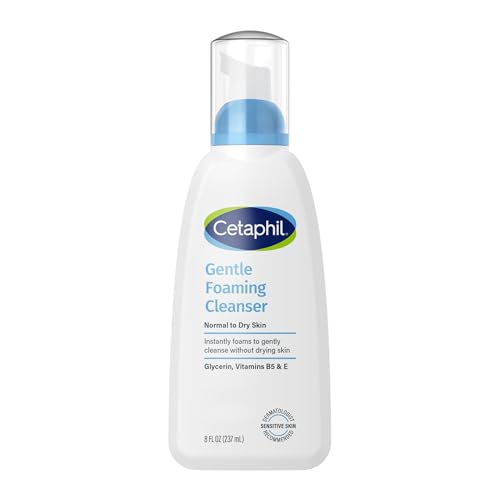
Cetaphil Oil Free Gentle Foaming Facial Cleanser, Sensitive Skin, 8oz
Included for 'Cetaphil vs CeraVe Gentle Cleanser: Which Is Better?' because the listing specifies Sensitive Skin and 8oz, details this guide uses to compare options.
View on Amazon
Cetaphil Gentle Cleanser, Hydrating Face Wash, Sensitive Skin, 4oz, 3ct
Included for 'Cetaphil vs CeraVe Gentle Cleanser: Which Is Better?' because the listing specifies Hydrating Face Wash and Sensitive Skin, details this guide uses to compare options.
View on AmazonCeraVe: barrier lipids in a cleanser
CeraVe Hydrating Cleanser contains ceramides and hyaluronic acid in a creamy base. Rinse-off products spend only a minute on the skin, so the barrier benefit is modest, but the cleanser leaves skin feeling soft rather than tight. It cleans slightly more thoroughly than Cetaphil while staying gentle.
Which suits your skin type?
| Skin type | Better pick | Why |
|---|---|---|
| Very dry or flaky | CeraVe | Creamier, less tight after rinsing |
| Extremely sensitive or reactive | Cetaphil | Minimal formula, wipe-off option |
| Normal | Either | Choose by texture preference |
| Oily | Neither is ideal alone | Consider CeraVe Foaming or double cleanse |
| Acne-prone on treatments | Either | Gentle base when using retinoids or benzoyl peroxide |
| Eczema-prone | Either; follow dermatologist advice | Both are fragrance-free |
Removing sunscreen and makeup
Neither cleanser is designed to dissolve water-resistant sunscreen, long-wear foundation or waterproof mascara on its own. If you wear these, use a cleansing balm, oil or micellar water first, then follow with either cleanser. CeraVe copes a bit better with light makeup; Cetaphil works best as a second cleanse or a morning rinse.
Morning vs evening
Many people with dry or sensitive skin use Cetaphil in the morning, when there is little to remove, and CeraVe in the evening. If your skin is fine with one cleanser, keep it simple and use the same one twice daily.
How to use them for the best result
- Use lukewarm water; hot water strips oils and worsens dryness.
- Massage for 30–60 seconds, focusing on the T-zone and hairline.
- Pat dry, leaving skin slightly damp before applying hydrating serum or moisturizer.
- Avoid washcloths and scrubbing brushes on sensitive skin.
Pairing with active routines
If you use retinoids, exfoliating acids or benzoyl peroxide, a mild cleanser like either of these helps reduce total irritation. Avoid pairing active treatments with an acid or scrubbing cleanser, because stacking exfoliation is a common cause of stinging and redness.
Value and packaging
Both come in large pump bottles that last months with twice-daily use; a 16 oz bottle commonly lasts 3–5 months. Cetaphil is often slightly cheaper per ounce, but differences are small. Buy the larger sizes for the best price per ounce and keep a travel size for the gym bag.
Which one lasts longer in practice?
Because Cetaphil is thinner, people tend to pump more of it per wash, which narrows its price advantage. CeraVe’s creamier texture spreads further, so one pump usually covers the whole face and neck. In real-world use, the cost per wash ends up very similar, roughly 5–10 cents either way.
Who should avoid them
Both are designed for sensitive skin, but anyone with a known allergy should read the full ingredient list, as formulas change over time. People with very oily or congested skin may feel these cleansers do not clean enough and could benefit from a gel or foaming cleanser. If you experience stinging, rash or worsening eczema, stop using the product and seek dermatologist advice rather than switching products repeatedly.
FAQ
Is Cetaphil still good after the reformulation?
For most users, yes. The newer formula remains fragrance-free and gentle and adds niacinamide and panthenol. A minority of users notice a texture difference; patch test if you had strong reactions to cleansers before.
Can I use CeraVe Hydrating Cleanser if I am oily?
You can, especially in winter or when using drying treatments. If your skin feels unclean or congested, switch to a foaming gel cleanser or double cleanse in the evening.
Bottom line
Choose Cetaphil Gentle Skin Cleanser if your skin is extremely sensitive or reactive and you want the mildest possible cleanse, including a no-rinse option. Choose CeraVe Hydrating Facial Cleanser if your skin is dry and you want a creamier cleanse with ceramides and hyaluronic acid. Neither replaces a makeup remover, so double cleanse on heavy-sunscreen or makeup days.