Last updated: September 26, 2026
Sunday Riley Good Genes built its cult following on one idea: a lactic acid treatment that makes skin look smoother and brighter by the next morning. The catch is the price, usually somewhere around $85–125 for 30 ml depending on the retailer. The Ordinary Lactic Acid, sold in 5% and 10% strengths with hyaluronic acid, is the dupe people mention most, often for under $15. This comparison lines the two up on their published formulas, texture and intended use, so you can decide whether the cheaper bottle does the job you actually bought Good Genes for. We compared labels and brand information rather than running a lab test, and ingredient lists change, so always check the current label.
What Good Genes is really doing
Good Genes is a leave-on lactic acid treatment in a creamy, slightly milky serum base. Lactic acid is an alpha hydroxy acid (AHA) with a larger molecule than glycolic acid, which is why it tends to feel gentler for many people. The formula also includes soothing and emollient ingredients, plus botanical extracts. Sunday Riley does not publish the exact lactic acid percentage, and the brand has offered more than one version over the years, including a glycolic-based option, so make sure you are comparing the right bottle.
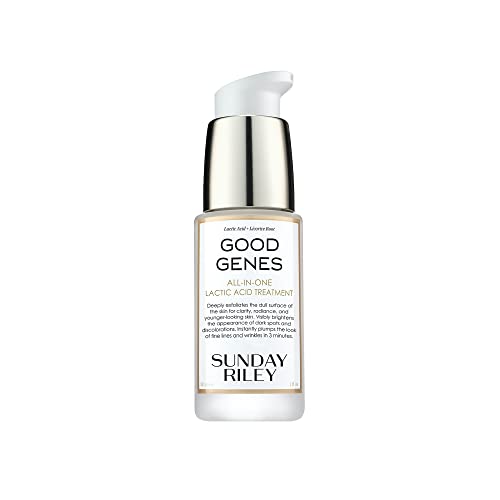
Sunday Riley Good Genes All-in-One Lactic Acid Treatment Face Serum 1.0oz
Included for 'Best Dupe for Sunday Riley Good Genes: The Ordinary Lactic Acid Dupe Compared' as a relevant option in this category; details come from the product listing.
View on Amazon
Sunday Riley Sunday GGL-15-US-FG Riley Good Genes All-In-One Lactic Acid Treatment Face Serum 0.5oz
Included for 'Best Dupe for Sunday Riley Good Genes: The Ordinary Lactic Acid Dupe Compared' as a relevant option in this category; details come from the product listing.
View on Amazon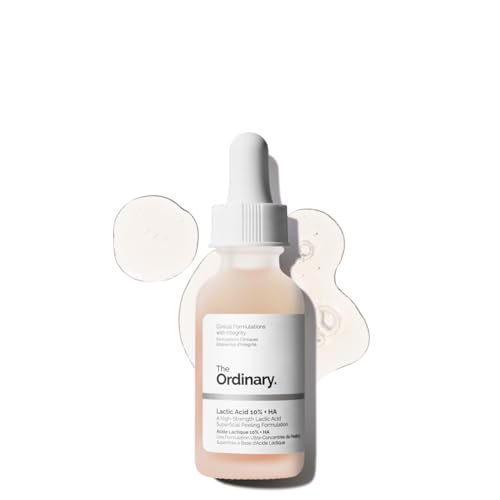
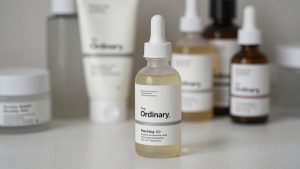
The Ordinary Lactic Acid 10% + Hyaluronic Acid 2%, High-Strength Exfoliating Serum for Smoother, Brighter Skin, 1 Fl Oz
Included for 'Best Dupe for Sunday Riley Good Genes: The Ordinary Lactic Acid Dupe Compared' because the listing specifies High-Strength Exfoliating Serum for Smoother and Brighter Skin, details this guide uses to compare options.
View on Amazon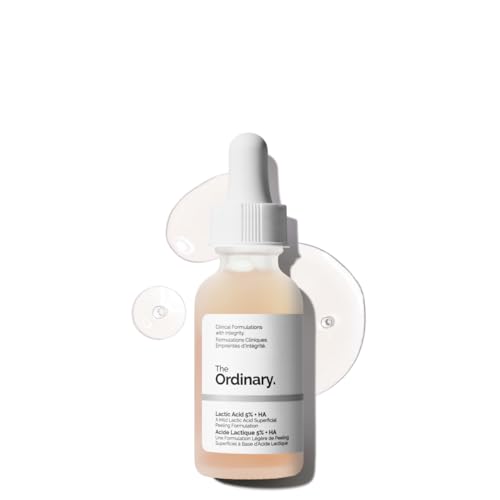
The Ordinary Lactic Acid 5% + Hyaluronic Acid 2%, Gentle Exfoliating Serum for Smoother Skin, 1 Fl Oz
Included for 'Best Dupe for Sunday Riley Good Genes: The Ordinary Lactic Acid Dupe Compared' because the listing specifies Gentle Exfoliating Serum for Smoother Skin and 1 Fl Oz, details this guide uses to compare options.
View on AmazonThe overnight glow effect
The quick “glow” people describe comes from loosening the bonds between dull surface cells so light reflects more evenly. Any well-formulated lactic acid product can do this to a degree. The difference is how the base feels, how irritating it is, and how often you can use it without your skin protesting.
How The Ordinary Lactic Acid compares
| Feature | Sunday Riley Good Genes | The Ordinary Lactic Acid + HA |
|---|---|---|
| Main exfoliant | Lactic acid (percentage not disclosed) | Lactic acid 5% or 10% |
| Hydrator | Emollients in a creamy base | Hyaluronic acid in a watery serum |
| Texture | Milky, slightly rich | Thin, clear, slightly tacky |
| Fragrance / botanicals | Contains botanical extracts; check label | Minimal, no added fragrance listed |
| Typical price | ~$85–125 for 30 ml | ~$8–14 for 30 ml |
| Best for | Normal to dry skin wanting a cushioned feel | Budget buyers, oilier or combination skin |
Where the dupe matches
On the core job, surface exfoliation with a gentle AHA, The Ordinary covers most of the ground. The 5% version is a sensible starting point if you have never used acids; the 10% version is closer to the “wake up smoother” effect that Good Genes fans describe. Both are leave-on products used after cleansing and before moisturizer.
Where it falls short
The texture is the biggest gap. Good Genes feels like a treatment and a light moisturizer in one step. The Ordinary is a thin serum that some people find sticky, and it can tingle more because there is less cushioning in the base. If your skin is dry, you will almost certainly need a richer moisturizer on top to get a similar comfort level.
Choosing by skin type and concern
- Dry or mature skin: start with the 5% dupe two nights a week and seal with a ceramide cream. If that still feels harsh, the creamier base of Good Genes may be worth the premium.
- Oily or combination skin: the 10% dupe is usually the better value; the lighter texture sits well under a gel moisturizer.
- Dullness and rough texture: either works; consistency matters more than brand.
- Dark marks: AHAs can help surface tone look more even, but daily sunscreen does most of the heavy lifting.
Who should avoid both
Skip leave-on lactic acid if your barrier is currently irritated, peeling or stinging from other actives, if you have active eczema or rosacea flares on the face, or if you are already using a strong prescription retinoid without guidance. Patch test on the jawline for a few nights first. AHAs increase sun sensitivity, so a broad-spectrum SPF 30+ every morning is not optional.
How to use the dupe well
- Apply to dry skin after cleansing, 2–3 nights a week to start.
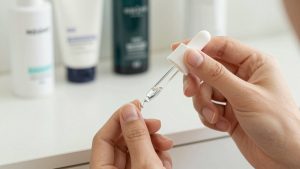
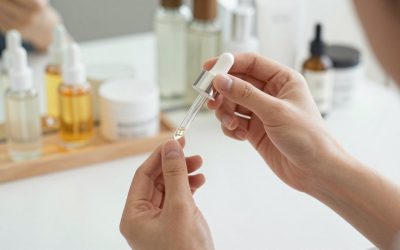
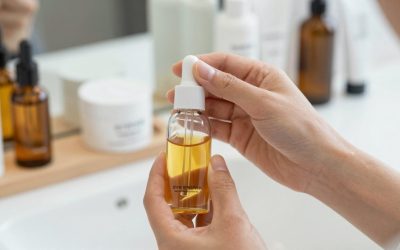
- Use 3–4 drops for the whole face; avoid the eye area and corners of the nose.
- Follow with a moisturizer; skip retinoids and other acids on the same night.
- Increase frequency only if there is no lingering redness or tightness after a couple of weeks.
Frequently asked questions
Is The Ordinary Lactic Acid 10% stronger than Good Genes?
It is hard to say directly because Sunday Riley does not publish its lactic acid percentage and pH also affects strength. Many users find the 10% dupe feels more active because its thin base offers less cushioning, which is why starting at 5% is the safer choice.
Can I use the dupe every night?
Some oily, resilient skin types tolerate nightly use, but most people do better with 2–4 nights a week. Signs you are overdoing it include stinging when you apply moisturizer, shiny tight patches, or flaking.
Bottom line
If you bought Good Genes for its exfoliating glow, The Ordinary Lactic Acid delivers the same kind of result for a fraction of the price, with the 5% strength for beginners and 10% for experienced acid users. What you give up is the creamy, pampering texture. Pair the dupe with a good moisturizer and daily sunscreen, and most people will not miss the luxury bottle.