Last updated: September 26, 2026
Years of sun exposure show up as brown spots, rough texture, fine lines, a leathery feel and, for some people, broken capillaries. Face oils are frequently marketed to sun-damaged skin with words like “repair” and “renew,” and a few oils circulate online as natural sunscreens. The reality: some oils are useful carriers for antioxidants and retinoids, which do help photoaged skin over time, but no plant oil provides meaningful sun protection. Understanding that difference keeps you from making sun damage worse while trying to fix it.
Quick answer: For most people in 2026, the best face oil for sun damage is the Retinol in squalane — our #1 rated choice. See the full ranked comparison, alternatives and buying advice below.
The “natural SPF” myth
Raspberry seed oil, carrot seed oil and red palm oil are regularly claimed to have SPF values of 20 or more. Those figures trace back to lab measurements of how the oils absorb light, not to proper SPF testing on skin. When oils have been measured more carefully, their protection is minimal, often in the low single digits. Relying on an oil for sun protection is a reliable way to add more damage. Use a real broad-spectrum sunscreen of SPF 30–50 and treat any oil as a separate step.

Plant Therapy Restorative Facial Oil with Rosehip & Arnica 1 oz Natural Ingredients, Restore & Protect Skin, Antioxidants and Fatty Acids, Deeply Nourish Skin
Included for 'Best Face Oil for Sun Damage: Antioxidant and Retinoid Oils vs the SPF Myth' because the listing specifies Restore & Protect Skin and Antioxidants and Fatty Acids, details this guide uses to compare options.
View on Amazon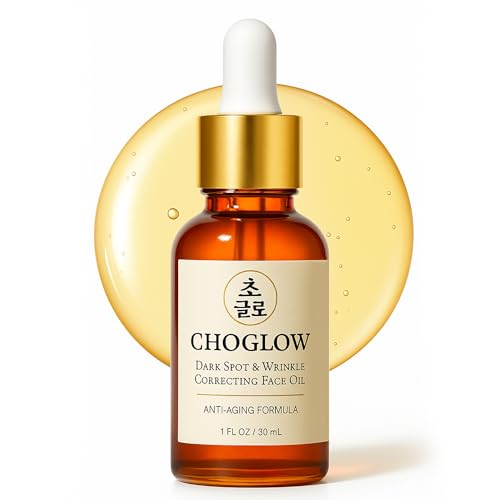
Choglow Glow Face Oil – Retinol Alternative for Dark Spots, Wrinkles & Pores – Jojoba, Moringa, Rosehip, Sea Buckthorn, Vitamin E – Anti-Aging Brightening Serum for Glowing Skin
Included for 'Best Face Oil for Sun Damage: Antioxidant and Retinoid Oils vs the SPF Myth' because the listing specifies Retinol Alternative for Dark Spots and Wrinkles & Pores, details this guide uses to compare options.
View on AmazonWhat oils can contribute
Antioxidant support
UV exposure generates free radicals that break down collagen and trigger pigment. Oils rich in vitamin E (tocopherol) or carotenoids, such as sea buckthorn, add antioxidant support. Oil-soluble vitamin C derivatives offer a gentler way to get vitamin C’s brightening effect than water-based L-ascorbic acid serums.
A vehicle for retinoids
Retinoids remain the best-studied topical for improving photoaged skin. Oil-based retinoids feel comfortable on dry, sun-damaged skin and can be less irritating for some people.
Oils and actives for sun-damaged skin
| Product type | Main benefit | When to use | Rough price |
|---|---|---|---|
| Retinol in squalane | Texture, fine lines, spots | Night, 2–5 times a week | $7–12 |
| Oil-soluble vitamin C | Brightening, antioxidant | Night or morning under SPF | $15–25 |
| Sea buckthorn oil | Carotenoids, antioxidant | Night (can tint skin orange) | $10–20 |
| Plain squalane | Comfort, buffer for actives | Any time | $9–40 |
| Broad-spectrum sunscreen | Prevents further damage | Every morning | $10–30 |
Options to consider
The Ordinary Retinol 0.5% in Squalane (roughly $7–12) is a simple, low-cost retinoid oil. The Ordinary Ascorbyl Tetraisopropyl Palmitate Solution 20% in Vitamin F (roughly $15–25) delivers an oil-soluble vitamin C derivative. The Ordinary 100% Organic Virgin Sea-Buckthorn Fruit Oil (roughly $10–15) is a carotenoid-rich option best mixed into moisturiser because of its strong orange colour. Prices shift, so check the current price. Introduce one active at a time with at least two weeks between additions.
Oils to avoid before sun exposure
Cold-pressed citrus oils (bergamot, lime, lemon, grapefruit) and some other botanicals contain furocoumarins that react with UV to cause burns and dark patches. Avoid products with these essential oils on skin that will see sun. Heavy oils can also increase sweating and make sunscreen slide, so in the morning use at most a drop.
Build the routine
- Morning: gentle cleanse, antioxidant serum or oil-soluble vitamin C (thin layer), moisturiser, SPF 30–50 applied generously.
- Evening: cleanse, retinol oil on alternate nights, moisturiser; plain squalane on off nights.
- Weekly: photograph spots in consistent light to track change.
Expect texture to improve within 8–12 weeks and pigment more slowly, over 3–6 months. Deep lines and dense spots may need clinic treatments such as lasers, intense pulsed light or peels.
Safety notes
- Pregnancy and breastfeeding: avoid retinoid oils; vitamin C and plain oils are generally considered acceptable.
- Isotretinoin or prescription tretinoin: do not add a retinol oil without your prescriber’s input.
- Photosensitising medicines such as doxycycline, some diuretics and certain heart and acne drugs increase sunburn risk; take extra care.
- Skin checks: sun-damaged skin can develop actinic keratoses (rough, scaly patches) and skin cancers. Any spot that bleeds, grows, changes colour or does not heal needs a clinician, not an oil.
FAQ
Can I put face oil on after sunscreen?
It is better not to. A layer of oil on top can dilute or move sunscreen, reducing protection. If you want an oil in the morning, use a drop before sunscreen and let it absorb first, or save oils for night.
Does sea buckthorn oil repair sun damage?
It adds antioxidants and fatty acids that support dry, weathered skin, but evidence for reversing sun damage is limited. Pair it with a retinoid and sunscreen rather than relying on it alone.
Bottom line
No face oil protects you from the sun. Use real SPF every morning, then let oils do what they are good at: carrying a retinoid or oil-soluble vitamin C at night and comforting weathered skin. Keep photosensitising citrus oils away from sun-exposed skin, and have any changing spot checked.
Ready to decide? Our #1 pick for 2026 is the Retinol in squalane.
Live price & availability on Amazon.