Last updated: September 27, 2026
Treating melasma at night requires a different mindset than treating ordinary dark spots. With sun spots, stronger exfoliation and higher-strength actives can speed results. With melasma, irritation can make patches darker and more persistent. The evening routine therefore aims for steady, gentle pigment control rather than aggressive peeling. Over months, that approach usually gives better and more stable results. This is cosmetic guidance, and melasma frequently benefits from a dermatologist’s plan, including prescription options.
Principles for a melasma PM routine
- Gentle over strong. Choose products your skin tolerates every night over powerful products that make it red.
- Multiple pathways, low irritation. Combine ingredients that address pigment in different ways, each at a comfortable strength.
- Barrier first. A calm, hydrated barrier reduces inflammation.
- Patience. Expect changes over three to six months, not weeks.
The PM routine
Step 1: Gentle double cleanse
Tinted mineral sunscreens with iron oxides are essential for melasma but can be stubborn to remove. Use a cleansing oil or balm with light massage, then a mild cleanser. Avoid scrubbing or using hot cloths.
Step 2: Pigment-focused serum
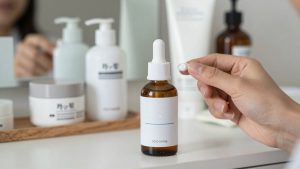
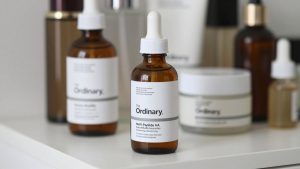
Common cosmetic options include tranexamic acid, azelaic acid, niacinamide, kojic acid and alpha-arbutin. Azelaic acid is often well tolerated and also calms redness. Choose one or two and introduce them one at a time, two weeks apart.
Step 3: Retinoid, cautiously
Retinoids can help with pigment and texture over time, but they can also irritate, which is risky with melasma. If you use one, start with a low-strength retinol two nights a week, buffered with moisturizer, and ideally with your dermatologist’s input.
Step 4: Barrier moisturizer
Seal with a fragrance-free cream containing ceramides, glycerin or panthenol. On nights you feel any stinging, skip the actives and apply moisturizer only.
A gentle weekly rotation
| Night | Serum | Retinoid | Moisturizer |
|---|---|---|---|
| Mon | Tranexamic acid | — | Ceramide cream |
| Tue | Azelaic acid | Low-strength, buffered | Ceramide cream first |
| Wed | Tranexamic acid + niacinamide | — | Ceramide cream |
| Thu | Azelaic acid | — | Ceramide cream |
| Fri | Tranexamic acid | Low-strength, buffered | Ceramide cream first |
| Sat | Niacinamide | — | Ceramide cream |
| Sun | Rest | — | Ceramide cream |
What to avoid at night
- At-home strong peels and high-strength glycolic acid, which can cause irritation and rebound darkening.
- Physical scrubs and cleansing brushes.
- Fragrance and essential oils.
- Stacking many actives at once to “speed things up.”
- Heat-based treatments such as facial steaming.
- Unsupervised hydroquinone use. It is a prescription or pharmacist-guided product in many places and should be used as directed.
How to choose products
Start with lower strengths and short ingredient lists. Serums that combine tranexamic acid with niacinamide are convenient and often gentle. Check the current label for concentrations and directions, since formulas are updated. Budget and premium options often use similar actives; consistency and tolerance matter more than price.
Summer versus winter
Melasma often darkens in summer and lightens in winter. Many people find it useful to use their fullest evening routine in autumn and winter, when light exposure is lower and results are easier to hold, and to scale back to the gentlest actives during peak summer, when heat and sun already put skin under stress. Keeping the barrier calm through the hottest months helps prevent a summer flare from undoing a winter’s progress.
Tracking progress
Photograph your face every four weeks in the same light and position. Melasma changes slowly and can fluctuate with seasons, so monthly photos help you judge progress more honestly than a daily mirror check.
Who should take extra care
If you are pregnant, breastfeeding or trying to conceive, skip retinoids and check every active with your clinician. If melasma started with a hormonal medication, discuss it with your doctor. Deeper skin tones are more prone to irritation-related darkening, so slow introduction is especially important. See a dermatologist for patches that are uncertain in appearance or not improving.
FAQ
Why did my melasma get darker after using an exfoliating acid?
Irritation can trigger more pigment in melasma-prone skin. Stop the acid, focus on barrier repair and gentle pigment serums, and reintroduce exfoliation only at low strength if at all.
Can melasma be permanently cured with skincare?
Melasma tends to be chronic and can recur, especially with sun, heat or hormonal changes. Skincare can help manage it, and a dermatologist can offer additional options.
Bottom line
A PM routine for melasma-prone skin is gentle and consistent: careful sunscreen removal, one or two well-tolerated pigment serums, an optional buffered retinoid, and a barrier moisturizer every night. Avoid irritation, give it months, and pair it with daily tinted sunscreen and professional advice.