Last updated: September 27, 2026
Mornings are often the hardest part of the day for rosacea-prone skin. Hot showers, a rushed cleanse, a sunscreen that stings and a quick step outside into sun or wind can all turn mild pinkness into a flushed face before 9 a.m. A calm morning routine for this skin type is deliberately short. Every product should have a clear job, and the most important of those jobs is protection from sun and temperature swings. This guide is cosmetic advice for sensitive, flushing-prone skin; it is not a replacement for a diagnosis or prescription treatment from a dermatologist.
Principles for sensitive, rosacea-prone mornings
- Fewer steps. Three to four products is plenty. More layers mean more chances to react.
- Cool, not hot. Use lukewarm or cool water and pat dry with a soft towel.
- No fragrance, no essential oils, no alcohol-heavy toners.
- Sunscreen every day, including cloudy days and indoor days near windows.
The AM routine
Step 1: Rinse or ultra-gentle cleanse
If your skin is dry or easily irritated, rinse with cool water only. If it feels oily, use a non-foaming, fragrance-free cleanser with your fingertips, not a brush or cloth. Keep contact to about 20–30 seconds.
Step 2: Calming serum (optional)
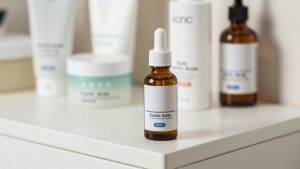
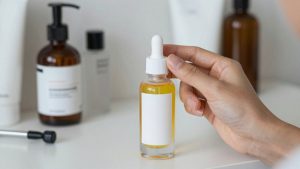
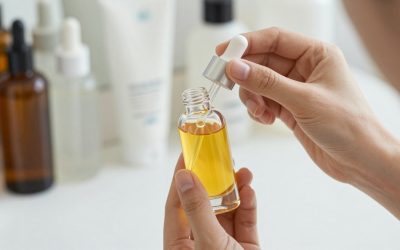
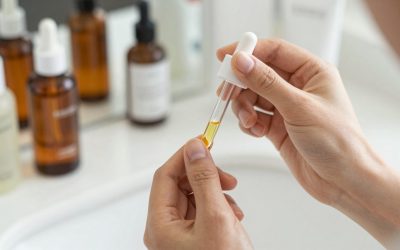
A serum built around soothing ingredients such as niacinamide at modest strength, centella, panthenol or allantoin can help skin look calmer. Azelaic acid is another option that many people with redness-prone skin find useful; it can tingle at first, so introduce it slowly and ideally with your dermatologist’s input.
Step 3: Barrier moisturizer
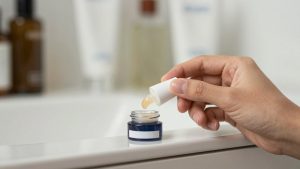
Choose a simple moisturizer with ceramides, glycerin or squalane. Creams with minimal ingredient lists are easier to troubleshoot if something goes wrong.
Step 4: Mineral or gentle sunscreen
Many people with sensitive skin tolerate mineral sunscreens with zinc oxide and titanium dioxide better than some chemical filters, although modern filters vary. A tinted mineral SPF can also visually even out redness. Aim for SPF 30 or higher and broad-spectrum protection.
Common triggers to plan around
| Morning trigger | Why it matters | Practical swap |
|---|---|---|
| Hot shower on face | Heat prompts flushing | Wash face at the sink with cool water |
| Hot coffee or tea | Heat can trigger flushing for some | Let it cool slightly or try iced |
| Physical scrubs, brushes | Friction irritates | Fingertips only |
| Fragranced products | Common irritant | Fragrance-free labels |
| Wind and cold | Can worsen redness and dryness | Richer moisturizer, scarf outdoors |
| Unprotected sun | Frequently reported trigger | Daily SPF 30+, hat, shade |
How to choose products
Start with the label: fragrance-free rather than “unscented,” which can still include masking fragrance. Short ingredient lists help. Avoid menthol, camphor, witch hazel with high alcohol, and strong physical exfoliants. Before trusting a new product across your face, patch test it on the side of the neck or jawline for several days. Formulas change, so check the current label even for a product you have used before.
Tinted sunscreen versus foundation
If you want to reduce the look of redness, a green-tinted primer or tinted mineral sunscreen may be enough on its own. Fewer layers of makeup usually means less irritation by the end of the day.
A realistic five-minute version
On busy mornings, the routine can shrink to two steps: a cool water rinse and a moisturizing mineral sunscreen. That still covers the two things that matter most for flushing-prone skin, which are avoiding friction and blocking sun. On days with more time, add the calming serum and a separate moisturizer. Consistency with a short routine beats an ambitious routine you only manage twice a week.
When to see a professional
If you have persistent redness, visible blood vessels, bumps that look like acne, burning or stinging, or eye irritation, see a dermatologist. Rosacea is a medical condition, and prescription options exist that a skincare routine cannot replace. Stop any product that causes swelling, hives or blistering.
FAQ
Is vitamin C a good idea for rosacea-prone skin in the morning?
It depends on the formula. Low-pH L-ascorbic acid serums often sting reactive skin. If you want antioxidant support, milder derivatives may be easier to tolerate, but introduce them slowly and stop if they sting.
Should I skip moisturizer if my sunscreen feels moisturizing?
On humid days, some people with oily sensitive skin can. If your skin feels tight, flaky or stings when you apply sunscreen, keep a separate moisturizer as a buffer.
Bottom line
For sensitive, rosacea-prone skin, the best morning routine is short and protective: a cool rinse or gentle cleanse, an optional calming serum, a plain barrier moisturizer and a sunscreen you tolerate. Avoid heat and friction, patch test new products, and pair your routine with medical care when redness is persistent.