Last updated: September 27, 2026
At night, most people rely on their strongest skincare: retinoids, exfoliating acids and treatments for acne or dark spots. Those are exactly the products that are most often paused during pregnancy. That can leave the evening routine feeling empty. It does not have to be. A pregnancy-conscious PM routine can still address breakouts, dullness, dryness and uneven tone using ingredients that are generally considered lower concern, and it can add comfort for stretching, itchy skin elsewhere on the body. As always, share your routine with your obstetrician, midwife or dermatologist before relying on it.
What to pause at night
The most commonly paused evening products are retinoids of any kind, including over-the-counter retinol, hydroquinone, and high-strength salicylic acid peels. Some people also pause at-home peels in general. If you were using prescription creams before pregnancy, ask your prescriber directly rather than guessing.
The PM routine
Step 1: Remove sunscreen
Use a fragrance-free cleansing balm, oil or micellar water to remove mineral SPF, which can cling. Follow with a gentle cleanser if you wore makeup.
Step 2: Treatment serum (choose based on concern)
- Breakouts: azelaic acid is frequently suggested as a pregnancy-friendly option for acne and redness. Start a few nights a week.
- Dark patches or uneven tone: azelaic acid, niacinamide or vitamin C (if not already used in the morning).
- Dullness and texture: ask your clinician about gentle lactic acid or polyhydroxy acids at low strength, used once or twice a week.
- Dryness: a hydrating serum with hyaluronic acid, glycerin or panthenol.
Step 3: Moisturizer
A ceramide cream is a good all-rounder. If your skin is oilier during pregnancy, choose a lighter gel-cream; if drier, go richer.
Step 4: Body care
Apply a fragrance-free body cream, butter or oil to the abdomen, hips, breasts and thighs. Moisturizing helps with itchiness and comfort as skin stretches. No cream has been shown to reliably prevent stretch marks, which are strongly influenced by genetics and how quickly skin stretches, so choose products for comfort rather than promises.
A weekly evening plan
| Night | Face treatment | Moisturizer | Body |
|---|---|---|---|
| Mon | Azelaic acid | Ceramide cream | Body cream |
| Tue | Hydrating serum | Ceramide cream | Body oil |
| Wed | Azelaic acid | Ceramide cream | Body cream |
| Thu | Niacinamide | Ceramide cream | Body oil |
| Fri | Azelaic acid | Ceramide cream | Body cream |
| Sat | Gentle PHA/lactic (if approved) | Richer cream | Body butter |
| Sun | Rest | Ceramide cream | Body cream |
Common concerns at night
Itchy skin
Mild itching over a stretching belly is common and moisturizer often helps. Intense itching, particularly on the palms and soles or at night, should be reported to your care team promptly, as it can be a sign of a condition that needs medical assessment.
Sleep and comfort
Many people feel exhausted during pregnancy, so keep the routine short. On tired nights, cleanse and moisturize, and skip the treatment step. Consistency over weeks matters more than doing every step every night.
How to choose products
Look for fragrance-free products with short ingredient lists; pregnancy can make skin more reactive to scents and essential oils. Check the full ingredient list for retinoids, which can hide under names such as retinyl palmitate, retinaldehyde or hydroxypinacolone retinoate. Check the current label on repurchase in case the formula has changed.
Dealing with hormonal breakouts without retinoids
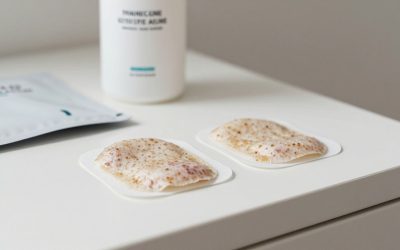
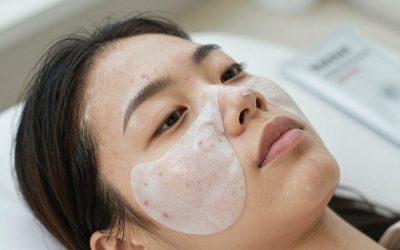
Breakouts along the jaw and chin are a common frustration, especially in the first half of pregnancy. Without retinoids, the evening approach relies on consistency: cleanse every night, use azelaic acid if your clinician approves, keep moisturizer non-comedogenic, and resist picking, which can leave marks that are harder to fade while hormones are elevated. Hydrocolloid patches over individual spots are a helpful, low-risk option for protecting them overnight. If breakouts are painful, deep or widespread, ask your care provider about treatment options that suit pregnancy.
After pregnancy
If you plan to breastfeed, ask your clinician whether to continue the same routine or when to reintroduce retinoids. Many people keep the pregnancy routine until they stop breastfeeding.
FAQ
Can I use azelaic acid every night during pregnancy?
Many people build up to nightly use, but start with two or three nights a week because it can tingle at first. Confirm with your clinician before starting.
Is bakuchiol a safe retinol replacement in pregnancy?
Bakuchiol is often marketed that way, but research in pregnancy is limited. Ask your clinician before using it rather than assuming “plant-based” means approved.
Bottom line
A pregnancy-conscious PM routine pauses retinoids and hydroquinone but still works: gentle sunscreen removal, one treatment such as azelaic acid or niacinamide, a good moisturizer and fragrance-free body care. Keep it simple, stay consistent and review it with your care provider.