Last updated: September 27, 2026
Working nights turns every piece of skincare advice upside down. “Morning” might be 6 p.m., “bedtime” might be 9 a.m., and the sun you are told to protect against is often the one glaring through the car windshield on the drive home. Add dry hospital or warehouse air, masks or protective gear, vending-machine meals and broken sleep, and it is no surprise that shift workers report more breakouts, dullness and dark circles. The fix is not more products. It is anchoring the routine to your sleep, not to the clock, and protecting the skin during the two windows that matter most: the start of your shift and the moment you get home.
Anchor the routine to sleep, not the clock
Think of your routine in two halves: a “before shift” routine and a “before sleep” routine. Whatever time of day your sleep happens, that is when the repair-focused products go on. Whatever time you head out, that is when you apply protection. Rotating schedules, where you switch between days and nights, benefit most from this framing because the steps stay the same even when the hours change.
Before your shift
Cleanse lightly
If you just woke up, a splash of lukewarm water or a mild, non-foaming cleanser is enough. Over-cleansing before a long shift in dry indoor air leaves skin tight by hour four.
Hydrate for a 10- to 12-hour stretch
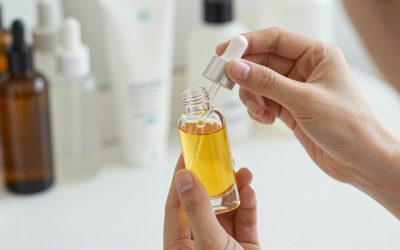
Use a humectant serum with glycerin or hyaluronic acid followed by a moisturizer with ceramides. Climate-controlled workplaces often sit below 30% humidity, which pulls water from the skin surprisingly fast. Products in the style of CeraVe Moisturizing Cream or La Roche-Posay Toleriane Double Repair are dependable, widely available options.
Sunscreen still matters
If your shift starts before sunset or you drive home after sunrise, apply SPF 30 or higher. UVA passes through car side windows, and a morning commute in bright light adds up over years. If you leave in full darkness and return in darkness, you can skip it on those days.
Mid-shift maintenance
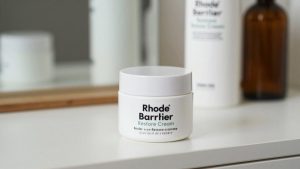
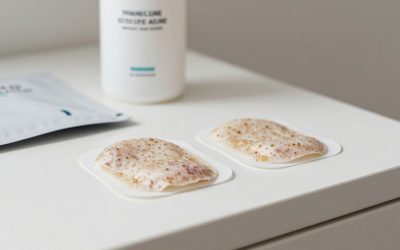
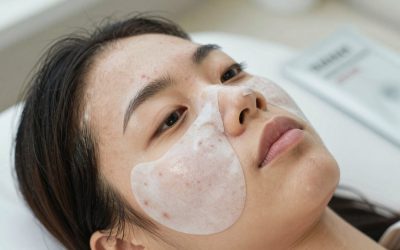
Keep a small kit in your locker: a travel-size moisturizer, a lip balm, blotting papers and a hydrocolloid patch or two. Under masks or respirators, friction and trapped moisture cause breakouts along the nose bridge and chin. A thin layer of a barrier cream on pressure points before the mask goes on can reduce rubbing. Swap damp cloth masks if they become soaked.
Before sleep, whenever that is
Cleanse properly to remove sunscreen, sweat and grime from the shift. Then apply your treatment step. Retinoids work well here as long as the room you sleep in is dark; blackout curtains protect both sleep and a freshly applied retinoid. Finish with a richer moisturizer than you use before work. Many shift workers find a thicker layer, such as an occlusive balm around the eyes and mouth, offsets dehydration from the shift.
A sample schedule for three common shifts
| Shift | Before-shift routine | Before-sleep routine | SPF needed? |
|---|---|---|---|
| 7 p.m. to 7 a.m. | 5:30 p.m.: rinse, serum, moisturizer, SPF | 8 a.m.: cleanse, retinoid, rich cream | Yes, for the morning drive |
| 11 p.m. to 7 a.m. | 9:30 p.m.: rinse, serum, moisturizer | 8 a.m.: cleanse, treatment, cream | Apply before leaving at 7 a.m. |
| Rotating days and nights | Same steps before every shift | Same steps before every main sleep | Whenever daylight exposure is likely |
Supporting skin beyond products
Sleep debt shows up on the face as puffiness and a grey, flat tone. Protecting a consistent 7- to 8-hour sleep block does more for skin than any serum. Hydration during the shift matters too; many people drink less at night because they are busy. Keep a bottle within reach and aim for regular sips rather than chugging at the end. Frequent high-sugar snacks may also worsen breakouts in some people, so pack options with protein and fiber when you can.
Dark circles from night work are partly structural and partly vascular. A cold compress for five minutes before sleep, a caffeine eye serum, and sleeping with your head slightly elevated all help a little. None will fully erase circles caused by genetics.
When to see a professional
If breakouts are painful, deep or leaving marks, or if you have a rash that follows the shape of your mask, see a dermatologist or occupational health provider. Persistent skin changes linked to PPE can often be solved with fit adjustments or prescription treatments.
FAQ
Should night shift workers use retinol in the morning before sleeping?
Yes, if “morning” is when you go to sleep. Retinoids should be used before your main sleep period in a dark room, then followed by sunscreen whenever you next face daylight.
Do night shift workers need sunscreen?
Only when daylight exposure is likely, such as a sunrise commute or daytime errands. On days you are indoors from dusk to after dark, it is optional.
Bottom line
A skincare routine for night shift workers works when it follows your sleep rather than the sun. Hydrate and protect before each shift, keep a tiny top-up kit for long hours, cleanse and treat before your main sleep, and wear sunscreen when daylight is actually part of your day.