Last updated: September 26, 2026
For healthcare workers, lab staff, construction and industrial workers, and anyone else who wears a mask or respirator for hours at a time, “maskne” is not a pandemic memory; it is part of the job. The warm, humid, rubbing environment under a mask leads to a mix of breakouts, irritation and chafing. Moisturizer plays a surprisingly large role in managing it, both as a thin protective barrier before a shift and as repair afterwards. Getting the texture and timing right matters more than any particular brand.
Maskne is several problems at once
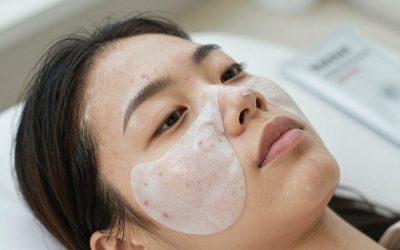
Under a mask, sweat and breath raise humidity, the fabric rubs the same spots for hours, and anything you have applied is trapped against the skin. That combination can trigger:

Yonka Phyto 58 PNG Night Cream, Normal and Oily Skin
Included for 'Best Moisturizer for Maskne: Protecting Skin Under Long Mask Shifts' because the listing specifies Normal and Oily Skin, details this guide uses to compare options.
View on Amazon- Acne mechanica: breakouts caused by friction, heat and occlusion, usually on the chin and jawline.
- Irritant dermatitis: red, rough, stinging skin on the cheeks and nose bridge.
- Pressure marks and abrasions: from tight respirators, especially on the nose bridge and cheekbones.
- Flares of rosacea or perioral dermatitis in people already prone to them.
| Problem | How it looks | Moisturizer approach | Extra help |
|---|---|---|---|
| Breakouts | Pimples along the chin and jaw | Light, non-comedogenic lotion before shift | Benzoyl peroxide or adapalene at night |
| Irritation | Redness, stinging, flaking | Ceramide cream after shift | Pause acids and retinoids for a week |
| Pressure points | Red lines, sore spots on nose bridge | Dimethicone-based barrier cream on hotspots | Hydrocolloid tape or padding where allowed |
| Rosacea or perioral flare | Tiny red bumps, flushing | Minimal, fragrance-free lotion | Clinician-guided treatment |
Before the shift: thin and light
About thirty minutes before putting on a mask, apply a thin layer of light, fragrance-free, non-comedogenic moisturizer. It reduces friction and water loss without leaving a greasy film that gets trapped. Skip heavy balms and occlusive ointments on the lower face; they seal in sweat and encourage breakouts. On the specific spots where a respirator presses, a small amount of a dimethicone-based barrier cream helps skin glide rather than chafe. If you wear a fitted respirator, check with your occupational health or infection control team about what can be applied where the seal sits, because thick products can interfere with fit.
After the shift: repair
Remove the mask, cleanse with a gentle, non-foaming or low-foaming cleanser, and apply a richer barrier moisturizer with ceramides, glycerin or panthenol. La Roche-Posay Cicaplast Baume B5 is a well-known repair balm for small irritated areas (around $15–$20; check current price), but use it on spots rather than the whole lower face if you are breakout-prone. At bedtime, if you are treating acne, apply your treatment first and moisturizer on top.
Other habits that make the moisturizer work better
- Change fabric masks when damp, and wash them after each day using fragrance-free detergent.
- Take mask breaks where it is safe and permitted, even ten minutes every few hours.
- Skip foundation under the mask; it adds occlusion and rubs off anyway.
- Keep actives such as retinoids and acids to the evening, and use fewer of them during weeks with long shifts.
A sample shift-day routine
Morning: rinse with lukewarm water, thin light lotion, a small dab of barrier cream on pressure points, and sunscreen only on areas the mask does not cover if you are outdoors. Mid-shift, if you can step away, blot sweat with a clean tissue rather than rubbing. After work: gentle cleanse, ceramide moisturizer, and your acne treatment at bedtime on alternate nights. On days off, let the skin rest with just cleanser, moisturizer and sunscreen.
Cautions
If you use benzoyl peroxide at night, rinse well in the morning; residue under a mask can bleach fabric and irritate. Retinoids should be avoided in pregnancy. Painful cracks, weeping or crusting at pressure points could be infected and need medical assessment, as do rashes that do not improve after two weeks of gentle care.
Frequently asked questions
Should I skip moisturizer under a mask so my skin can breathe?
Skipping it often makes irritation and chafing worse. A thin, light layer protects skin from friction and moisture loss without adding much occlusion. The key is texture: lotion, not balm.
Can I use a thick ointment to prevent rubbing?
On a small pressure point, a dab can help. Across the whole lower face under a mask, thick ointments tend to trap sweat and cause breakouts, so keep them targeted.
Bottom line
For maskne, use two moisturizers with two jobs: a thin, non-comedogenic lotion before masking and a richer ceramide cream afterwards, plus a dimethicone barrier on pressure points. Combine that with clean masks, fewer actives during heavy shift weeks and targeted acne treatment at night, and most people see calmer skin within a few weeks.