Last updated: September 27, 2026
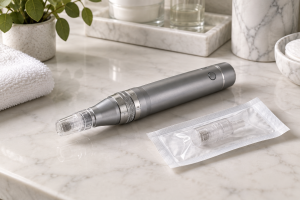
A derma roller is a handheld drum covered in fine needles that create tiny channels in the skin as it rolls. In clinics, microneedling at deeper depths is used for acne scars and texture. At home, shorter needles are used mainly to improve product absorption and mildly refresh texture. Because it breaks the skin barrier, a derma roller carries real risks: infection, irritation, pigment changes and spreading bacteria if hygiene slips. Using one correctly means choosing a safe needle length, keeping everything sterile, avoiding the wrong skin conditions, and recognizing when a professional is the better option.
Needle length matters most
Home derma rollers commonly come in lengths from 0.2 mm to 0.5 mm or more. For home use, many dermatologists recommend staying at 0.25 mm or below for cosmetic purposes, such as improving serum absorption and gentle texture refinement. Lengths of 0.5 mm and above penetrate further, increase risk, and are better left to trained professionals using sterile, single-use equipment.
Who should not use a derma roller
Do not use a derma roller if you have active acne, cold sores or herpes simplex history without medical advice, eczema or psoriasis in the area, rosacea, skin infections, a tendency to keloid scars, or if you are taking or recently took isotretinoin (many clinicians advise waiting six to twelve months). People on blood thinners, those who are pregnant, and anyone with a bleeding disorder or diabetes that affects healing should consult a clinician first.
Step-by-step technique
1. Sanitize the roller
Soak the needle head in 70% isopropyl alcohol for five to ten minutes before use. Let it air dry on a clean surface, needles facing up.
2. Cleanse the skin thoroughly
Wash with a gentle cleanser and pat dry. Wipe the treatment area with an alcohol-free antiseptic if your skin tolerates it. Do not apply makeup, acids or retinoids beforehand.
3. Divide the face into sections
Work on forehead, each cheek, chin and upper lip separately. Avoid the eyelids, lips and inside the nose.
4. Roll in straight lines
Roll vertically four to five times, lifting the roller between strokes rather than dragging it back. Then roll horizontally four to five times, then diagonally in both directions. Use light pressure; the roller’s weight is usually enough.
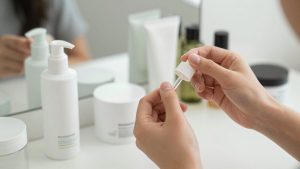
5. Apply a simple serum
Afterward, apply a gentle hydrating serum such as plain hyaluronic acid. Avoid vitamin C, acids, retinoids, fragrance and essential oils immediately after rolling, as they are more likely to irritate open microchannels.
6. Clean the roller again
Rinse, soak in alcohol, air dry, and store in its case.
Frequency and replacement
| Needle length | Main purpose | Typical frequency at home | Notes |
|---|---|---|---|
| 0.2-0.25 mm | Product absorption, mild texture | 2-3 times per week | Common home range |
| 0.3-0.5 mm | Texture, fine lines | Every 1-2 weeks, if at all | Higher risk; consider professional advice |
| 0.5 mm and above | Scars, deeper texture | Professional setting | Not recommended for home use |
Replace derma rollers often. Needles blunt and bend with use, which tears skin instead of creating clean channels. Many guides suggest replacing after about 10 to 15 uses, or sooner if needles look bent. Never share a roller with anyone.
Aftercare
Skin may look pink for a few hours. Avoid makeup for 12 to 24 hours, skip workouts and swimming pools that day, and use a clean pillowcase. Apply sunscreen diligently afterward, as freshly treated skin is more vulnerable to sun damage and pigment changes. Resume actives after 48 to 72 hours if skin looks calm.
Signs to stop and seek help
Stop and see a professional if you notice swelling, pus, increasing pain, spreading redness, bumps or dark patches that persist. These may indicate infection or post-inflammatory changes that need treatment.
When a professional is the better choice
For acne scars, deep wrinkles or stretch marks, clinical microneedling uses deeper needles in sterile conditions and often gives better results with fewer risks. Home rollers are best viewed as a mild maintenance tool.
FAQ
Does a derma roller help with acne scars?
Short home needles may slightly improve texture over time, but meaningful scar improvement usually requires professional treatment at deeper depths.
Can I use a derma roller with vitamin C serum?
It is safer to avoid vitamin C, acids and retinoids immediately after rolling. Use a simple hydrating serum and reintroduce actives after a couple of days.
Bottom line
To use a derma roller correctly, stay at short needle lengths, sanitize before and after, roll in straight lines with light pressure, use only simple serums afterward, and replace the roller often. Avoid it with active acne, infections or recent isotretinoin, and see a professional for scars or deeper concerns.