Last updated: September 26, 2026
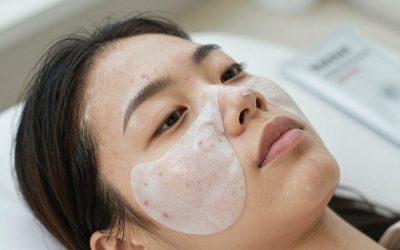
“Maskne” is the informal name for breakouts and irritation under face masks. It became widely known during the pandemic but remains a daily problem for healthcare workers, lab staff, cleaners, construction workers, cyclists who wear face coverings and anyone who wears a mask for long periods. The skin under a mask faces heat, trapped humidity, friction and bacteria from breath, which together can cause acne-like bumps, redness and irritation along the nose, cheeks and chin. The right serum, combined with a few habit changes, can make a noticeable difference.
What causes maskne
- Occlusion: trapped moisture and warmth soften skin and encourage clogged pores.
- Friction: repeated rubbing damages the barrier, especially over the nose bridge and behind the ears.
- Sweat and oil: build up during long shifts.
- Fabric and detergent residue: can irritate sensitive skin.
Maskne is often a mix of acne mechanica (friction acne), irritant dermatitis and sometimes perioral dermatitis or rosacea flares. The right serum depends on which is dominant.

Advanced Clinicals Tea Tree Oil For Skin Facial Serum | Tea Tree Serum For Face With Vitamin E + Botanicals To Help Improve Appearance Of Large Pores & Skintone For Smoother Looking Skin, 1.8 Fl Oz
Included for 'Best Serum for Maskne: Calming Breakouts Caused by Face Masks' because the listing specifies 1.8 Fl Oz, details this guide uses to compare options.
View on Amazon
Pure Original Ingredients Salicylic Acid 2% Solution (30 mL), Pure & Simple Serum
Included for 'Best Serum for Maskne: Calming Breakouts Caused by Face Masks' because the listing specifies Pure & Simple Serum, details this guide uses to compare options.
View on Amazon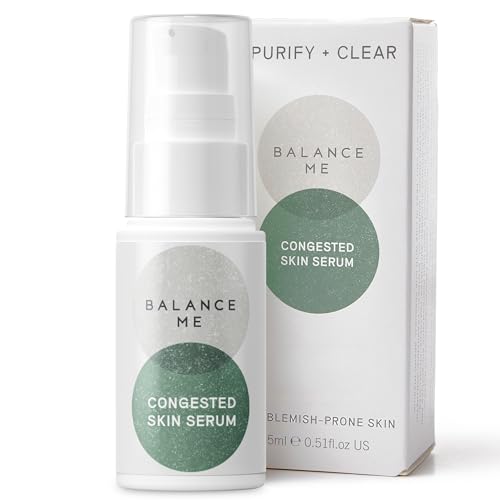
Balance Me Congested Skin Face Serum, 0.5 fl oz
Included for 'Best Serum for Maskne: Calming Breakouts Caused by Face Masks' because the listing specifies 0.5 fl oz, details this guide uses to compare options.
View on Amazon
Bye Bye Blemish Skin Rescue Niacinamide Serum for Face, Pore Minimizer 1oz
Included for 'Best Serum for Maskne: Calming Breakouts Caused by Face Masks' because the listing specifies Pore Minimizer 1oz, details this guide uses to compare options.
View on AmazonChoosing a serum by symptom
| Main symptom | Helpful serum ingredients | Avoid under the mask |
|---|---|---|
| Small bumps, clogged pores | Salicylic acid 0.5–2% (evening), niacinamide | Heavy oils, thick balms |
| Redness and stinging | Panthenol, centella, ceramides, niacinamide 2–4% | Fragrance, strong acids |
| Red, inflamed spots | Azelaic acid 10% | Layering several actives |
| Dry, peeling patches | Hyaluronic acid + glycerin, then cream | Alcohol-heavy formulas |
| Chafing on nose and ears | Barrier balm (thin layer, off-shift) | Scrubs |
Niacinamide and azelaic acid serums from brands like The Ordinary, Paula’s Choice and La Roche-Posay are widely available, typically $8–$40. Check the current price and choose fragrance-free options.
A maskne routine that fits long shifts
Before your shift
Cleanse gently. Apply a light niacinamide or centella serum, then a thin, non-comedogenic moisturiser. Let it absorb for 10 minutes before putting on a mask. Skip heavy foundation under the mask area; if you need sun protection for outdoor work, use a light, non-comedogenic sunscreen.
During your shift
Change masks when damp, if your workplace allows. Blot sweat with a clean tissue rather than rubbing. Take approved mask breaks in safe areas to let skin breathe.
After your shift
Cleanse within an hour. In the evening, use salicylic acid or azelaic acid serum on bumpy areas, then a moisturiser. On irritated nights, skip actives and use a soothing serum and barrier cream instead.
Choosing a moisturiser and sunscreen to pair with your serum
The serum is only one layer under a mask. The moisturiser on top matters just as much, because a rich, occlusive cream sealed under a mask for eight hours can trigger the very bumps you are trying to clear. Look for gel-cream or lotion textures labelled non-comedogenic, and apply a thin layer. If you work outdoors and need sunscreen, fluid or gel formulas usually sit more comfortably than thick creams. Mineral sunscreens with zinc oxide are often well tolerated by irritated skin, though some leave a film that feels heavy under a mask; try a small amount on one side of the face for a shift before switching completely.
How long until it improves?
Irritation and redness often ease within one to two weeks of a gentler routine. Clogged bumps typically take four to eight weeks of consistent evening treatment to clear.
Mask habits that reduce breakouts
- Choose a well-fitting mask that seals without excessive pressure.
- For reusable fabric masks, pick tightly woven cotton for the inner layer and wash after every use with fragrance-free detergent.
- Rotate several masks so each dries completely.
- Follow workplace requirements for medical-grade masks; never swap PPE for comfort.
- Protect pressure points with a thin hydrocolloid strip if your employer permits it under PPE rules.
Cautions
- Do not use strong retinoids or high-strength acids directly before long mask wear; occlusion can increase irritation.
- If you are pregnant, ask your clinician before using retinoids or leave-on salicylic acid.
- Small, grouped bumps around the mouth and nose that burn or itch may be perioral dermatitis; see a clinician rather than adding more products.
- If breakouts become painful, deep or scarring, see a dermatologist or occupational health.
FAQ
Is maskne the same as regular acne?
Partly. It often includes acne caused by friction and occlusion, plus irritation. Treating both the clogged pores and the barrier damage usually works best.
Can I use salicylic acid before wearing a mask?
It is usually better in the evening. Under a mask, leave-on acids can sting more due to heat and humidity.
Bottom line
The best serums for maskne are gentle and targeted: niacinamide, panthenol or centella before a shift, and salicylic or azelaic acid in the evening. Keep layers light under masks, cleanse promptly after long wear, follow PPE rules, and see a clinician if bumps are painful, burning or not improving.