Last updated: September 27, 2026
Few ingredient names raise eyebrows like “salmon sperm serum.” The real ingredient is PDRN, or polydeoxyribonucleotide, a DNA fragment often sourced from salmon that has jumped from clinic treatments into at-home serums. Marketed for repair and a plumped glow, PDRN is one of the most hyped actives in recent K-beauty. Here is a grounded look at what it is and whether topical versions are worth it.
What PDRN actually is
PDRN is a mix of DNA-derived nucleotides originally used in injectable “salmon DNA” skin boosters administered by professionals. In that clinical context it is studied for wound healing and skin quality. Topical serums use a similar ingredient at far lower penetration, so the at-home experience is different from the in-clinic procedure.
Why it is trending
The clinic treatments went viral for a “salmon skin” glow, and brands quickly launched serums riding that interest. The name is attention-grabbing, and the promise of repair and radiance is exactly what the current skin-longevity trend rewards.
Injectable vs topical
| Format | How it works | Realistic expectation |
|---|---|---|
| Clinic injectable | Delivered into the dermis | Studied skin-quality effects |
| Topical serum | Sits mostly on the surface | Hydration, soothing, glow |
How to use a PDRN serum
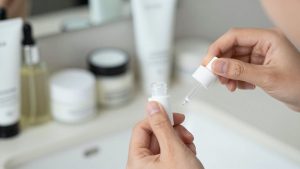
Apply after cleansing and any watery essence, before moisturizer. PDRN serums are usually gentle and pair well with hydrating and barrier ingredients. They can be layered with peptides and used morning or night. As always, daytime routines should finish with sunscreen.
Who might like it
If you enjoy trying novel soothing hydrators and want a comfortable, plumping serum, a topical PDRN product can be a pleasant addition. If you are chasing the dramatic results shown in clinic marketing, understand that topical absorption is limited and manage expectations accordingly. Anyone with a fish allergy should patch test or avoid salmon-derived formulas.
Frequently asked questions
Does a topical PDRN serum equal the injectable treatment?
No. The injectable is delivered below the skin surface by a professional, while a serum mostly hydrates and soothes at the surface. The serum can still feel great, but it is not a substitute for the clinical procedure.
Is PDRN safe for sensitive skin?
Topical PDRN is generally well tolerated and often marketed as soothing, but formulas vary. Patch test any new serum, and avoid salmon-derived versions if you have a fish allergy.
Managing your expectations
The marketing around PDRN blurs the line between clinic procedures and at-home serums, which sets many buyers up for disappointment. The dramatic before-and-after images usually come from injectable treatments delivered below the skin by professionals, not from a topical serum. A serum can hydrate, soothe and add a temporary glow, and that is a fair reason to use one, but it will not replicate an in-office skin booster.
If you are drawn to the clinical results, the honest path is to consult a licensed provider about the procedure rather than expecting a bottle to match it. For everyday skincare, treat PDRN as one more pleasant, gentle hydrator in a crowded field.
How to shop for a PDRN serum
Because the ingredient is trendy, prices vary widely for similar formulas. Compare the full ingredient list rather than the marketing, and favor products that also include proven hydrators and soothers so you get value even if the PDRN itself does little at the surface. Salmon-derived versions are common, so anyone with a fish allergy should either choose a synthetic alternative or avoid the category.
Is PDRN worth the premium price?
Only if you enjoy the texture and the novelty. On performance alone, a well-formulated hydrating serum with peptides and humectants delivers comparable everyday benefits, often for less money.
Where PDRN sits in the hype cycle
Trendy ingredients often arrive with more marketing than evidence, and PDRN topicals are a good example. The underlying clinical treatments are studied, but the leap to at-home serums outpaces the data on what a surface-level product actually achieves. That does not make PDRN serums useless; it means you should value them for reliable hydration and a soothing feel while staying skeptical of transformation claims. Buying on formula quality rather than buzz protects both your skin and your wallet.
Will a PDRN serum build collagen?
Topical products mostly work at the surface, so meaningful collagen stimulation from an at-home serum is unlikely. For that goal, proven actives like retinoids, or professional procedures, remain the evidence-backed routes.
Bottom line
PDRN serums are an interesting, gentle hydration-and-glow option with a memorable name. Enjoy them for comfort and radiance, but keep expectations realistic about how much a topical version can replicate the studied clinic treatments.