Last updated: September 26, 2026
Keratosis pilaris, often called KP or “chicken skin,” shows up as small, rough bumps on the backs of the arms, thighs, buttocks and sometimes the cheeks. It happens when keratin, the protein that forms the outer layer of skin, builds up and plugs hair follicles. KP is harmless and very common, affecting a large share of adolescents and many adults, but it can be frustrating because scrubbing makes it redder rather than smoother. The products that help most are leave-on exfoliants and humectants, whether they come as serums, lotions or creams. This guide explains which ingredients work and how to use them for steady improvement.
Why leave-on products beat scrubs
KP bumps are keratin plugs attached to the follicle. Physical scrubs remove only the surface, often irritating the surrounding skin and making redness more obvious. Chemical exfoliants and urea soften and loosen the plugs gradually, while moisturisers keep the skin supple so fewer plugs form. The key is daily consistency rather than intensity.

LKMC Body Serum for Keratosis Pilaris - Smoothing & Hair Minimizing, 200mL
Included for 'Best Serum for Keratosis Pilaris: Smoothing Rough, Bumpy Skin' because the listing specifies Smoothing & Hair Minimizing and 200mL, details this guide uses to compare options.
View on Amazon
Truly Beauty Smooth Legend After Shave Serum | Reduce Bumps & KP Post-Shave
Included for 'Best Serum for Keratosis Pilaris: Smoothing Rough, Bumpy Skin' because the listing specifies Reduce Bumps & KP Post-Shave, details this guide uses to compare options.
View on Amazon
Resurfacing Serum with AHA BHA PHA for Keratosis Pilaris and Ingrown Hair
Included for 'Best Serum for Keratosis Pilaris: Smoothing Rough, Bumpy Skin' as a relevant option in this category; details come from the product listing.
View on AmazonIngredients that work for KP
| Ingredient | Typical strength | What it does | Notes |
|---|---|---|---|
| Urea | 10–20% (body), up to 40% on tough spots | Softens keratin and hydrates | Can sting on broken skin |
| Lactic acid | 5–12% | Exfoliates and moisturises | Increases sun sensitivity |
| Glycolic acid | 5–10% | Faster exfoliation | More likely to sting than lactic |
| Salicylic acid | 0.5–2% | Dissolves oil inside follicles | Avoid large-area use in pregnancy without advice |
| Ceramides, glycerin | – | Barrier support, reduce roughness | Pair with exfoliants |
Well-known body products in this style include AmLactin lotions (lactic acid), CeraVe SA Smoothing Cream (salicylic acid with ceramides) and various urea creams from pharmacy brands such as Eucerin. For the face, gentle lactic or mandelic acid serums are usually better tolerated than strong glycolic. Prices typically run from $10 to $30; check the current price.
How to use them
Body routine
- Shower in warm, not hot, water with a mild cleanser.
- Pat almost dry, then apply a urea or AHA product to the bumpy areas.
- Use once daily at first; move to twice daily if skin tolerates it.
- On days when skin stings, switch to a plain ceramide moisturiser.
Face (KP on the cheeks)
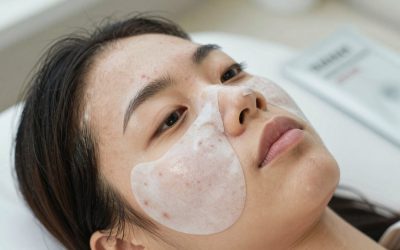
Facial KP often comes with redness. Use a gentle lactic acid or PHA serum two to three nights a week, a barrier moisturiser daily and SPF every morning.
What to expect
Most people notice skin feels smoother within 2–4 weeks, while visible bumps and redness take 8–12 weeks to improve. KP tends to return if you stop, so a maintenance routine of a few times a week is usually needed. It often improves in summer and worsens in dry winter air, and many people find it fades with age.
Cautions
- AHAs increase sun sensitivity; use SPF on exposed areas like arms.
- If you are pregnant, check with your clinician before using salicylic acid over large areas.
- Stop if skin cracks, burns or becomes very red.
- Children commonly have KP; for them, stick to gentle moisturisers and ask a paediatrician or GP before using acid products.
- If bumps are itchy, painful, spreading or pus-filled, see a clinician, as it may be folliculitis or eczema instead.
Serum, lotion or cream: which format?
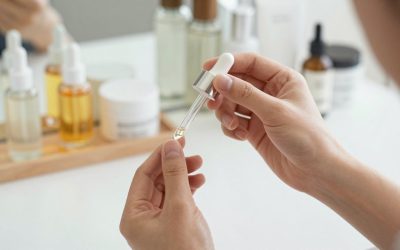
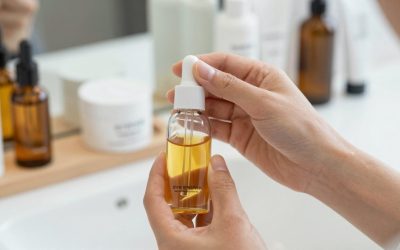
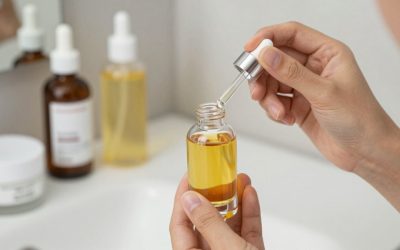
For the body, lotions and creams usually make more sense than facial-style serums: they cover larger areas economically and add moisture at the same time. A thin serum can still be useful on small patches, such as the upper arms before a moisturiser, or on facial KP where heavy creams feel greasy. If you use a serum, always follow with a moisturiser, because exfoliating ingredients alone can leave KP skin drier and rougher. Pump bottles make daily use easier than tubs, and a 200–400 ml body lotion typically lasts one to two months of daily arm and thigh application.
Habits that help
- Use a humidifier in winter.
- Avoid tight synthetic clothing that rubs the area.
- Skip dry shaving over KP; use a gel and a sharp razor.
- Do not pick or scrub bumps.
When prescription options make sense
If over-the-counter care does not help after three months, a dermatologist may suggest a prescription retinoid cream, stronger urea formulations or, for persistent redness, vascular laser treatment. These are options for stubborn cases rather than first steps.
FAQ
Can keratosis pilaris be cured?
There is no permanent cure, but consistent use of exfoliating and moisturising products keeps it much less noticeable. Many people see it fade naturally over time.
Is urea or lactic acid better for KP?
Both work well. Urea is often better for very dry, rough skin, while lactic acid gives a smoother finish. Some products combine both.
Bottom line
The best serum or lotion for keratosis pilaris contains urea or a gentle acid like lactic or salicylic acid, used daily on slightly damp skin. Skip scrubs, moisturise consistently, protect exposed skin with SPF, and check with a clinician if bumps itch, hurt or do not respond after a few months.