Last updated: September 26, 2026
If you have perioral dermatitis — that rash of small red bumps and flaking around the mouth, nose and sometimes eyes — you have probably heard that heavy creams make it worse. So where do face oils fit? In most cases, they do not, at least not on the rash itself. Occlusive, rich products are one of the recognised triggers, and oils are about as occlusive as leave-on skincare gets. This guide explains why oils and perioral dermatitis often clash, the narrow situations where a light oil might be acceptable, and what treatment actually looks like.
Quick answer: Our top pick in 2026 is the Face oils and balms — our #1 rated choice. See the full ranked comparison, alternatives and buying advice below.
What perioral dermatitis is
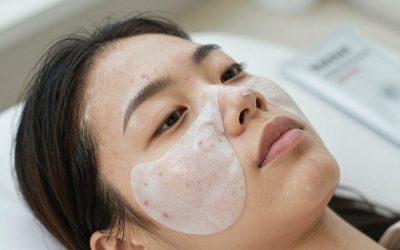
Perioral dermatitis presents as clusters of tiny papules and sometimes pustules around the mouth, often sparing a thin strip right next to the lip border. It can extend to the sides of the nose and around the eyes. It is most common in women aged 20–45, but children and men get it too. It burns or feels tight more often than it itches. Triggers include topical and inhaled steroids, heavy moisturisers and night creams, some foundations, fluoride or cinnamon-flavoured toothpaste, and hormonal changes.

Grahams Natural Face & Eyelid Oil - For Very Dry Skin Around Eye & Face, Eczema & Perioral Dermatitis - Steroid-Free, Hypoallergenic, Non-Comedogenic - 100% Pure - with Argan & Jojoba Oil (1.69 Fl Oz)
Included for 'Face Oil and Perioral Dermatitis: Why Less Is Usually Better' because the listing specifies For Very Dry Skin Around Eye & Face and Eczema & Perioral Dermatitis, details this guide uses to compare options.
View on AmazonWhy oils are usually a problem
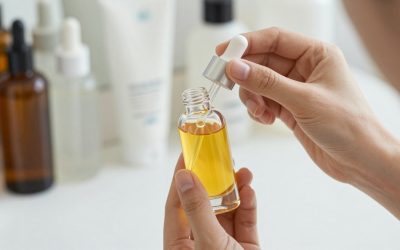
Oils form a film that traps heat and moisture around hair follicles. In perioral dermatitis, that environment appears to fuel the follicular inflammation. Many people report their rash began or worsened after adding a rich facial oil, balm or “overnight” cream. Clinicians commonly advise stopping all occlusive products on the affected area as a first step, sometimes called zero therapy.
Products to pause during a flare
| Product type | Examples | Why pause |
|---|---|---|
| Face oils and balms | Marula, argan, coconut, cleansing balms left on | Occlusion around follicles |
| Rich night creams | Heavy anti-ageing creams, sleeping masks | Same occlusive effect |
| Steroid creams | Hydrocortisone and stronger | Rebound worsening |
| Fragranced products | Essential-oil serums, scented moisturisers | Added irritation |
| Heavy foundation / primer | Silicone-rich primers | Occlusion and friction |
Is any oil acceptable?
On unaffected skin, maybe
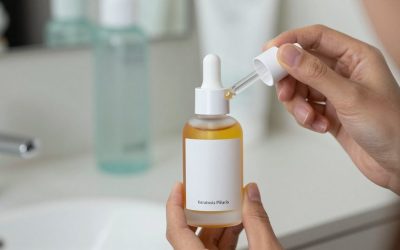
If your cheeks and forehead are dry and the rash is confined to the mouth area, a drop or two of a light, fragrance-free oil such as squalane on the unaffected areas only is unlikely to cause trouble for most people. Keep a clear margin of a couple of centimetres from the rash. The Ordinary 100% Plant-Derived Squalane (roughly $9–15) is simple and inexpensive; check the current price.
After clearance, cautiously
Once the skin has been clear for at least four to six weeks, some people reintroduce a light oil two or three nights a week. If bumps return, that is a strong sign oils are a personal trigger.
What about oil cleansing?
A cleansing oil that is fully emulsified and rinsed off leaves much less residue than a leave-on oil. Still, during a flare many clinicians suggest water or a very gentle non-foaming cleanser instead.
How perioral dermatitis is treated
Beyond stopping triggers, clinicians often prescribe topical metronidazole, azelaic acid, ivermectin, or calcineurin inhibitors such as pimecrolimus. Wider or persistent cases may need several weeks of an oral antibiotic like doxycycline or minocycline, or erythromycin for people who cannot take tetracyclines. Improvement usually takes four to eight weeks, and the rash may look worse for the first week or two after stopping steroids.
Safety notes
- Do not stop a prescribed steroid abruptly without talking to the prescriber if you have been using it long term.
- Tetracycline antibiotics are not used in pregnancy or in young children and increase sun sensitivity.
- If you use a steroid inhaler for asthma, do not stop it; rinse your mouth and face afterwards and ask about spacer devices.
- Crusting, spreading honey-coloured patches or fever suggest infection and need prompt review.
FAQ
Is jojoba or squalane “non-comedogenic” enough to use on perioral dermatitis?
Perioral dermatitis is not the same as clogged pores, so comedogenicity ratings do not really apply. The issue is occlusion and follicular irritation, which any leave-on oil can contribute to. Keep oils off the rash.
What should I moisturise with instead?
If you need anything, a light, fragrance-free lotion with glycerin and ceramides applied thinly, or nothing at all during the first weeks of treatment. Many people are surprised how quickly their skin settles when they stop layering products.
Bottom line
For perioral dermatitis, the best face oil is usually none on the rash. Pause occlusive products, avoid steroids, let a clinician guide treatment, and only reintroduce a light oil to other areas once your skin has been clear for several weeks.
Ready to decide? Our #1 pick for 2026 is the Face oils and balms.
Live price & availability on Amazon.