Last updated: September 27, 2026
Dark spots, sun spots and the brown marks left behind by breakouts all get worse with one thing: daylight. That makes the morning routine the defensive half of any plan to fade hyperpigmentation. Night is when you use the stronger brightening actives; morning is when you protect the progress they make. Skip the morning half and the evening work is largely undone within a few sunny days. This routine focuses on antioxidant support, gentle brightening that plays well with sunscreen, and SPF habits that actually hold up through the day.
Why mornings matter so much for dark spots
Ultraviolet light and, for some skin tones, visible light can prompt pigment-producing cells to make more melanin. Even brief, incidental exposure through windows or on short walks adds up. A morning routine for hyperpigmentation is therefore built backward from sunscreen: every earlier step should either support it or at least not interfere with it.
The AM routine, step by step
Step 1: Gentle cleanse
Use a mild, non-stripping cleanser or a water rinse. Irritated skin can develop more pigmentation, so harsh morning scrubs and foaming cleansers are counterproductive here.
Step 2: Antioxidant serum
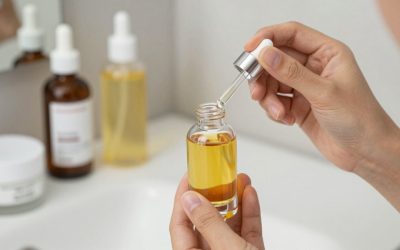
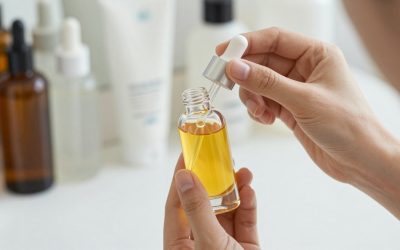
Vitamin C is the classic morning brightening step. It supports sunscreen by helping neutralize free radicals from UV exposure and is commonly used for uneven tone. If pure L-ascorbic acid stings, look for gentler derivatives. Other antioxidant options include ferulic acid, vitamin E and green tea extracts.
Step 3: Tone-evening serum (optional)
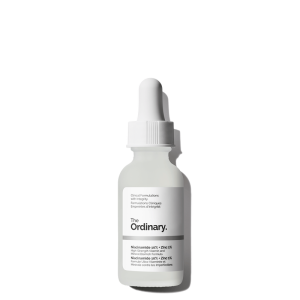
Niacinamide, tranexamic acid or alpha-arbutin serums are generally well suited to daytime use because they do not typically increase sun sensitivity the way some exfoliating acids can. If you already use one at night, you do not need it again in the morning.
Step 4: Moisturizer
A lightweight moisturizer keeps the barrier comfortable. Skip this if your sunscreen is moisturizing enough for your skin type.
Step 5: Broad-spectrum sunscreen, applied properly
Choose SPF 30 or higher with broad-spectrum protection. For stubborn pigmentation, many dermatologists suggest a tinted sunscreen containing iron oxides, which adds protection against visible light. Use about two finger-lengths for face and neck and reapply every two hours outdoors.
Morning ingredients: what fits and what does not
| Ingredient | AM friendly? | Notes |
|---|---|---|
| Vitamin C (L-ascorbic acid or derivatives) | Yes | Pairs well with sunscreen |
| Niacinamide | Yes | Gentle, works in either routine |
| Tranexamic acid | Yes | Commonly used for uneven tone |
| Alpha-arbutin | Yes | Often paired with niacinamide |
| Glycolic or lactic acid | Better at night | Can increase sun sensitivity |
| Retinoids | Night only | Degrade in light, increase sensitivity |
| Hydroquinone | Only as directed | Use under medical guidance |
Sunscreen habits that decide your results
- Quantity: most people apply roughly a quarter to half the amount used in SPF labeling. Measure with two finger-lengths until it becomes habit.
- Reapplication: if you are outdoors, reapply every two hours; SPF sticks, sprays over makeup or cushion compacts make this easier.
- Coverage gaps: temples, hairline, upper lip and ears are where many spots appear. Do not skip them.
- Accessories: a wide-brimmed hat and sunglasses reduce exposure more than any serum can.
How to choose products
Look for stable packaging for vitamin C, such as opaque, airless or pump bottles, and check the current label for the form of vitamin C used. For sunscreen, choose a texture you enjoy wearing daily; a high SPF you skip is worth less than an SPF 30 you use every day. Darker skin tones should look for tinted formulas that do not leave a white cast.
Who should be cautious
If you have sensitive skin, introduce one brightening serum at a time and patch test first. If a dark patch changes shape, color or size, bleeds, or looks different from your other spots, have it checked by a doctor before treating it cosmetically. Pregnant or breastfeeding readers should confirm any brightening active with their clinician.
FAQ
Can I use vitamin C and niacinamide together in the morning?
Yes. Older concerns about the two cancelling each other out are not considered a practical problem for modern formulas. If your skin flushes, apply them a few minutes apart or split them between morning and night.
Is SPF 50 necessary for hyperpigmentation?
SPF 30 applied generously and reapplied is effective for most people. Higher SPF adds a margin for under-application, which is why many people with pigmentation prefer SPF 50.
Bottom line
A morning routine for hyperpigmentation is about protection first: gentle cleansing, an antioxidant serum, an optional tone-evening step and a generous, broad-spectrum sunscreen, ideally tinted. The night routine does the fading; the morning routine makes sure it lasts.