Last updated: September 27, 2026
Tiny white bumps under the eyes are often called closed comedones or “whiteheads,” but most of the time they are milia: hard little cysts of trapped keratin that sit just under the skin surface. The distinction matters because the fixes differ, and because the wrong eye cream can actually cause more of them. If you have noticed pearly dots appearing on your lower lids or cheekbones after switching to a rich eye balm, you are not imagining it. Here is how to tell what you are dealing with and how to choose an eye cream that will not add to the problem.
Quick answer: Our top pick in 2026 is the Feel — our #1 rated choice. See the full ranked comparison, alternatives and buying advice below.
Milia vs closed comedones
A closed comedone is a blocked hair follicle filled with sebum and dead cells. It feels soft, sits in oilier areas such as the forehead and chin, and can become an inflamed pimple. Milia are firm, white or yellowish, 1–2 mm in size, do not squeeze out easily and almost never get red. The skin under the eyes has very few oil glands, so true comedones there are uncommon; milia are far more likely.
Side-by-side
| Feature | Milia | Closed comedone |
|---|---|---|
| Feel | Hard, like a grain of sand | Soft, slightly raised |
| Colour | Pearly white | Skin-coloured or white |
| Common location | Lower lids, cheekbones, nose | Forehead, chin, jaw |
| Inflames? | Rarely | Can turn into a pimple |
| Removal | Clinician extraction with a fine needle | Retinoids, BHA, time |
Why eye creams sometimes cause milia
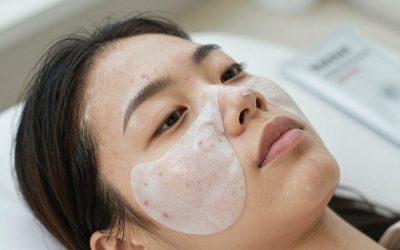
Heavy, occlusive formulas — thick balms, mineral-oil-rich creams, some sheet-mask essences left on overnight — can slow the natural shedding of the thin skin around the eyes. Sun damage and certain skin injuries also play a role. People who apply eye cream generously, right up to the lash line, seem more prone. The fix is usually a lighter texture, less product and a little gentle exfoliation from a retinoid over time.
What to look for
Lightweight texture
Gel-creams and lotions sit more lightly than balms. If your current eye product leaves a visible film in the morning, it is probably too rich for you.
A low-dose retinoid, carefully
A retinoid encourages faster cell turnover, which helps keratin clear instead of getting trapped. Options include RoC Retinol Correxion Eye Cream (roughly $20–30) or Neutrogena Rapid Wrinkle Repair Eye Cream (roughly $20–30). Start two nights a week and keep to the orbital bone.
Fragrance-free basics
If retinoids are off the table, a light fragrance-free cream such as CeraVe Eye Repair Cream (roughly $13–18) is a sensible baseline. Prices vary, so check the current price.
What not to do
- Do not squeeze or pick milia; there is no opening, so you only bruise and scar the skin.
- Do not use pore strips, BHA toners or scrubs on the eyelids.
- Do not use home “milia extractor” needles near the eye.
A dermatologist or trained aesthetician can nick the surface and lift a milium out in seconds with minimal marking.
Safety considerations
- Pregnancy and breastfeeding: skip retinoid eye creams; use a light, bland moisturiser instead.
- Isotretinoin: no topical retinoids near the eyes without your prescriber’s go-ahead.
- Sudden widespread bumps, or bumps with redness, crusting or eye irritation, should be assessed in case of infection or a different diagnosis.
- Children: milia are very common in newborns and clear on their own; do not use adult eye creams on babies.
Makeup and removers that keep milia away
Eye makeup can matter as much as eye cream. Thick, waxy concealers and cream eyeshadows left on overnight add to the occlusion around the lower lid. Remove eye makeup every night with a micellar water or a cleansing oil that is rinsed off completely, rather than a heavy cold cream wiped away with a tissue. If you use eye patches or overnight sleeping masks, limit them to once or twice a week and keep them below the orbital bone. People who spend a lot of time outdoors should also protect the area with sunscreen and sunglasses, since sun-damaged skin forms milia more easily. Small changes like these often reduce new bumps within one or two months.
FAQ
Will milia go away on their own?
Some do over several months, especially once you switch to a lighter product. Persistent ones usually need professional extraction.
Is mineral oil in eye cream always bad?
No. Cosmetic-grade mineral oil is not comedogenic for most people. Milia seem linked more to the overall heaviness and amount of product than to one ingredient.
Bottom line
Most “closed comedones” under the eyes are really milia. Choose a light, fragrance-free eye cream, use a rice-grain amount, consider a low-dose retinoid if you are not pregnant or on isotretinoin, and let a professional remove stubborn bumps rather than squeezing them yourself.
Ready to decide? Our #1 pick for 2026 is the Feel.
Live price & availability on Amazon.