Last updated: September 27, 2026
A damaged skin barrier announces itself in familiar ways: stinging when you apply a product that never used to sting, tightness after cleansing, rough or flaky patches, sudden redness, or breakouts that appear alongside dryness. The usual causes are over-exfoliation, too many actives at once, harsh cleansers, weather, or all four. The morning routine during barrier repair has one purpose: protect skin through the day while it recovers. That means very few products, no actives, and a sunscreen that does not sting.
Signs your barrier needs a break
- Products sting or burn on application
- Skin feels tight within minutes of washing
- Rough, flaky or shiny-tight patches
- New redness or small bumps
- Skin looks both oily and dehydrated at the same time
If you see several of these, pause all exfoliants, retinoids and vitamin C for at least two weeks and switch to the routine below.
The barrier-repair AM routine
Step 1: Rinse, don’t wash
In the morning, splash with lukewarm water and pat dry. Your skin did not accumulate much overnight, and even gentle cleansers remove lipids you are trying to rebuild. If you must use a cleanser, choose a non-foaming, fragrance-free cream cleanser.
Step 2: Soothing hydration
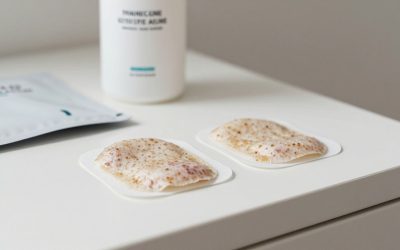
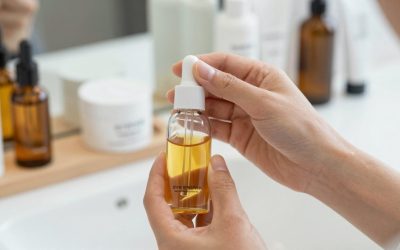
Apply a simple serum or essence with panthenol, glycerin, centella or allantoin to damp skin. Avoid products with multiple actives, even mild ones.
Step 3: Barrier moisturizer
Choose a cream containing ceramides, cholesterol and fatty acids, the three lipid types that make up much of the skin barrier. Apply generously. If your skin is oily, a lighter ceramide lotion still works.
Step 4: Gentle sunscreen
Damaged skin is more reactive to some sunscreen formulas. Many people find mineral sunscreens with zinc oxide gentler during recovery. Choose fragrance-free, SPF 30+, broad-spectrum. Test on the jawline before applying to your whole face.
What to pause and what to keep
| Product | During barrier repair | When to reintroduce |
|---|---|---|
| Exfoliating acids (AHA/BHA) | Pause | After 2–4 weeks of calm skin, once weekly |
| Retinoids | Pause | After exfoliants are tolerated, low strength |
| Vitamin C (L-ascorbic acid) | Pause | When stinging is gone |
| Foaming cleansers | Replace with cream cleanser | Only if you truly need them |
| Ceramide moisturizer | Keep and use generously | — |
| Sunscreen | Keep, gentle formula | — |
| Niacinamide (low strength) | Keep only if it does not sting | — |
What usually damages the barrier in the first place
Knowing the cause helps you avoid a repeat. The most common culprits are daily exfoliating acids, combining a retinoid with an acid on the same night, cleansing brushes, washing with very hot water, foaming cleansers used twice a day, and switching many products at once. Seasonal changes also play a role: cold wind, low humidity and indoor heating in winter, or sunburn and heavy sweating in summer. Look back at the two or three weeks before your skin started stinging, and you will usually find at least one of these.
Daytime habits that help recovery
Avoid touching your face and resting it on your hands. Use a scarf in cold wind. Keep indoor air from getting too dry if you can. Skip heavy makeup for a few days; if you need coverage, a tinted mineral sunscreen may be enough. Do not re-cleanse during the day even if you feel oily; blot instead.
How to choose products
- Shortest ingredient list you can find, fragrance-free.
- Look for ceramides, cholesterol, fatty acids, panthenol, glycerin and squalane.
- Avoid alcohol-heavy toners, menthol and essential oils.
- Check the current label; “sensitive” on the front does not guarantee the absence of irritants.
Who should see a professional
If skin is weeping, crusting, swelling, blistering or intensely itchy, or if it does not improve after two to three weeks of a gentle routine, see a dermatologist. Eczema, contact dermatitis, rosacea and infections can look like a damaged barrier and need specific care.
FAQ
How long does it take to repair a damaged skin barrier?
Many people notice less stinging within one to two weeks of stopping irritants. Full recovery often takes around two to four weeks, depending on how damaged it was.
Can I wear makeup while repairing my barrier?
Light makeup is usually fine if it does not sting. Remove it gently at night with a balm or micellar water rather than scrubbing.
Bottom line
A barrier-repair morning routine is about doing less: rinse instead of washing, add soothing hydration, apply a ceramide moisturizer generously, and finish with a gentle sunscreen. Pause actives until skin is calm, then reintroduce them one at a time.