Last updated: September 27, 2026
Melasma is not ordinary hyperpigmentation. It typically appears as symmetrical brown or grey-brown patches on the cheeks, forehead, upper lip or chin, and it is closely linked to hormones, sunlight, visible light and heat. It is also notoriously persistent: patches that fade over a winter often return after a summer holiday. That is why the morning routine is so critical for melasma-prone skin. Its main job is not to fade patches but to stop them from being triggered again. This is cosmetic guidance; melasma often benefits from dermatologist-guided treatment.
What makes melasma different
With sun spots or post-acne marks, UV protection is usually enough to keep things stable. Melasma can also be driven by visible light from the sun, heat, and hormonal factors such as pregnancy or hormonal contraception. Irritation and aggressive treatments can make it worse. So the morning routine should be protective, gentle and cool.
The AM routine
Step 1: Gentle, cool cleanse
Use a mild cleanser and cool or lukewarm water. Avoid hot water, steam and physical scrubs; heat and friction are both potential triggers.
Step 2: Antioxidant serum
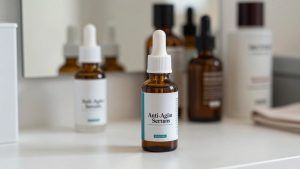
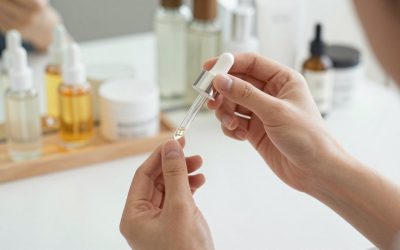
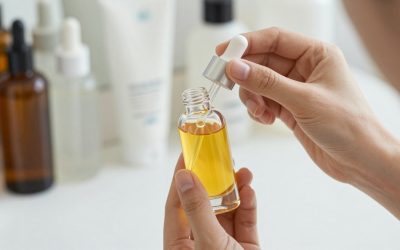
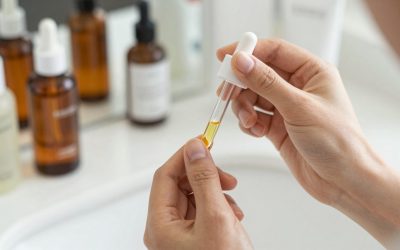
Vitamin C supports sunscreen and helps with the look of uneven tone. If vitamin C irritates you, niacinamide or a serum with antioxidants like ferulic acid and vitamin E can be gentler.
Step 3: Tone-balancing serum
Tranexamic acid is a popular cosmetic ingredient for melasma-prone skin and is generally gentle enough for daily use. Niacinamide and alpha-arbutin are other options. One well-tolerated serum is better than several that irritate.
Step 4: Light moisturizer
Keep this simple and fragrance-free. Skip it if your sunscreen is hydrating enough.
Step 5: Tinted mineral sunscreen with iron oxides
This is the most important step. Standard sunscreens protect against UV; tinted sunscreens containing iron oxides also help block visible light, which matters for melasma. Choose SPF 30 or higher, broad-spectrum, and apply two finger-lengths for face and neck.
Step 6: Reapply and shade
Reapply every two hours outdoors with a tinted SPF, powder SPF or cushion. Add a wide-brimmed hat and seek shade; physical barriers help against both light and heat.
Melasma triggers to manage in the morning
| Trigger | Why it matters | Morning strategy |
|---|---|---|
| UV light | Stimulates pigment | Broad-spectrum SPF 30+, reapply |
| Visible light | Can darken melasma, especially in deeper skin tones | Tinted SPF with iron oxides |
| Heat | Linked to flare-ups | Avoid hot showers on face; limit saunas, hot yoga |
| Irritation | Inflammation can worsen pigment | Gentle products, no scrubs |
| Window light | UVA passes through glass | SPF even indoors near windows |
Indoor and screen light
Many people with melasma ask whether they need sunscreen at a desk. Standard window glass blocks much UVB but lets a good share of UVA and visible light through, so if you sit near a window, daily SPF is worthwhile. Screens emit far less visible light than the sun, and the practical priority remains outdoor and window exposure. A tinted sunscreen applied in the morning covers both situations without adding a separate step. If you work outdoors or drive for long periods, pay particular attention to the side of your face nearest the window, where patches are often darker.
How to choose products
- Sunscreen: the tint matters. Find a shade that blends with your skin so you use it daily. Deeper skin tones may need to try several brands.
- Serums: check the current label for active ingredients rather than relying on “brightening” claims.
- Fragrance: skip it; irritation is counterproductive for melasma.
- Makeup: mineral powder with SPF can serve as a top-up layer, but not as your only protection.
Who should see a dermatologist
Because melasma can look like other pigment conditions and can be stubborn, a dermatologist can confirm the diagnosis and discuss prescription treatments. If melasma appeared with a new hormonal medication or pregnancy, talk to your doctor. Anyone pregnant or breastfeeding should check active ingredients with their clinician. Any patch that is raised, irregular, changing or bleeding needs a medical check.
FAQ
Is SPF 50 enough to prevent melasma from coming back?
SPF helps with UV, but melasma can also be triggered by visible light and heat. A tinted sunscreen with iron oxides, reapplication, shade and a hat together give the best protection.
Can I use vitamin C and tranexamic acid together in the morning?
Generally yes. Apply the thinner serum first. If your skin stings, move vitamin C to a different time of day or alternate mornings.
Bottom line
A morning routine for melasma-prone skin is all about prevention: gentle cleansing, an antioxidant, a tone-balancing serum such as tranexamic acid, and a tinted mineral sunscreen reapplied through the day. Protect against light and heat, stay gentle, and work with a dermatologist for persistent patches.