Last updated: September 27, 2026
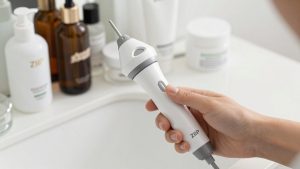
At-home radiofrequency (RF) devices promise a slow, gentle version of the skin tightening you would get in a clinic, but they only deliver anything if you use them in the narrow window between “too cautious to matter” and “hot enough to hurt.” RF works by passing an alternating current through the upper layers of skin, which warms the dermis to roughly 40–43°C. That controlled heat is meant to nudge collagen remodelling over weeks. Get the technique wrong and you either feel nothing and see nothing, or you create a burn that takes longer to heal than the device ever saved you. This guide walks through setup, the glide pattern, session length and the people who should not use RF at all.
Quick answer: Our top pick in 2026 is the Weeks 1–2 — our #1 rated choice. See the full ranked comparison, alternatives and buying advice below.
What an at-home RF device can and cannot do
Consumer RF tools run at a fraction of the energy used by in-clinic systems such as Thermage or RF microneedling. The result is subtle: slightly firmer-feeling skin, softer fine lines around the eyes and a smoother jaw contour for some users after 8–12 weeks of consistent use. It will not lift a heavy jowl, replace a facelift or reverse significant laxity. Most brands, including long-running names such as NEWA and Tripollar, frame results as gradual and cumulative, and that is the honest expectation to hold.
Monopolar, bipolar and multipolar
Most home devices are bipolar or multipolar, meaning the current travels between electrodes on the head rather than through your body to a grounding pad. That keeps heat shallow and predictable. Monopolar designs heat more deeply but are rarely sold for unsupervised home use.
Before you start: who should not use RF
Skip RF, or get a clinician’s go-ahead first, if any of these apply:
- Pregnancy or breastfeeding (safety data simply does not exist).
- A pacemaker, implanted defibrillator or other electronic implant.
- Metal implants, plates or permanent fillers in the treatment area. Hyaluronic acid filler within the last few weeks is also worth discussing with your injector.
- Isotretinoin within the past six months, or recent laser, peel or microneedling.
- Active acne cysts, cold sores, open wounds or any skin infection.
- Reduced skin sensation, diabetes-related neuropathy or a history of keloid scarring.
Step-by-step technique
1. Clean, dry skin and a conductive gel
Remove makeup and sunscreen, pat dry, then apply the gel the manufacturer recommends. Most RF devices need a water-based gel to conduct evenly and to glide. Oils, silicone primers or rich creams can insulate the electrodes and create hot spots. A layer about the thickness of a coin edge is enough.
2. Start on the lowest setting
For the first week, stay on level one even if it feels like nothing. You are checking for delayed redness, itching or tenderness. Increase one step at a time only when you have had two sessions without lingering redness beyond an hour.
3. Keep the head moving
RF heat builds within seconds. Glide in slow, continuous circles or upward strokes at about 1–2 cm per second, never parking the head in one spot. Divide the face into zones (forehead, each cheek, jaw, neck) and spend roughly 2–3 minutes per zone. The skin should feel warm like a hot drink held in your hand, never stinging.
4. Avoid the risky zones
Keep off the eyelids, the thyroid area at the front of the neck, and any spot with filler, piercings or broken skin. Use an eye-specific head only if the device includes one.
5. Wipe, soothe and protect
Remove the gel with a damp cloth, then apply a plain moisturiser. Skip strong acids or retinoids that evening. Wear SPF 30 or higher the next day, as warmed skin can be a little more reactive.
How often to use it
| Phase | Frequency | Session length | What to watch |
|---|---|---|---|
| Weeks 1–2 | 2 times per week | 10–15 min | Redness fading within 30–60 min |
| Weeks 3–8 | 2–3 times per week | 15–20 min | Even warmth, no hot spots |
| Weeks 9–12 | 3 times per week | 20 min max | Assess photos in the same light |
| Maintenance | 1–2 times per week | 15–20 min | Stop if tenderness appears |
Always follow the maker’s own limits if they are stricter. More frequent sessions do not speed up collagen change; they mainly raise the chance of irritation.
Common mistakes
- Running out of gel mid-session. Dry patches drag and heat unevenly. Reapply as soon as glide feels sticky.
- Chasing heat. If you need the top setting to feel anything in week one, the device may be faulty or the gel too thin.
- Stacking treatments. RF plus a peel plus microneedling in the same week invites inflammation.
- Judging too early. Collagen remodelling is slow. Take photos at week 0 and week 12 under identical lighting.
Price and value
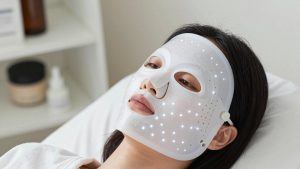
Reputable home RF devices typically fall somewhere around $200–$500, with multi-function tools that add LED or EMS sitting higher. Budget gadgets under $60 often lack temperature sensors and clear safety data. Check the current price and warranty before buying, and look for automatic shut-off or skin-temperature monitoring.
FAQ
Can I use a radiofrequency device every day?
Most manufacturers advise against it. Two to three sessions a week gives the skin time to recover between heat exposures, and daily use has not been shown to speed results.
Is it normal to be red after RF?
Mild pinkness that fades within an hour is common. Redness lasting overnight, blistering, swelling or pain is not; stop using the device and speak to a doctor or dermatologist.
Bottom line
Use a water-based gel, start low, keep the head moving and cap sessions at around 20 minutes a few times a week. Expect modest, gradual firmness rather than a lift, and skip RF entirely if you are pregnant, have implants, are on or recently finished isotretinoin, or have active skin infection. When in doubt, ask a dermatologist before the first session.
Ready to decide? Our #1 pick for 2026 is the Weeks 1–2.
Live price & availability on Amazon.