Last updated: September 26, 2026
Keratosis pilaris, the rough, sandpapery bumps on the backs of the arms, thighs and sometimes cheeks, is one of the few skin conditions where a humble body moisturizer really is the main treatment. The bumps are plugs of keratin sitting in hair follicles, and the moisturizers that help most are the ones that soften and loosen that keratin every day. Scrubbing tends to inflame the bumps, while the right lotion quietly smooths them over four to eight weeks.
Quick answer: For most people in 2026, the best moisturizer for keratosis pilaris is the Urea — our #1 rated choice. See the full ranked comparison, alternatives and buying advice below.
Why plain moisturizers only go halfway
A basic cream relieves dryness and makes KP feel less rough, but it does not do much about the plugs themselves. That job belongs to keratolytic ingredients: urea, lactic acid, salicylic acid and ammonium lactate. They dissolve the glue between dead cells so the plugs soften, and they also hold water in the skin.

Amlactin KP Bumps Be Gone Body Cream, 15% Lactic Acid, 3 oz
Included for 'Best Moisturizer for Keratosis Pilaris: Urea, Lactic Acid and How to Use Them' because the listing specifies 15% Lactic Acid and 3 oz, details this guide uses to compare options.
View on Amazon
Amlactin Daily Nourish Body Lotion, 12% Lactic Acid, 14.1 oz
Included for 'Best Moisturizer for Keratosis Pilaris: Urea, Lactic Acid and How to Use Them' because the listing specifies 12% Lactic Acid and 14.1 oz, details this guide uses to compare options.
View on Amazon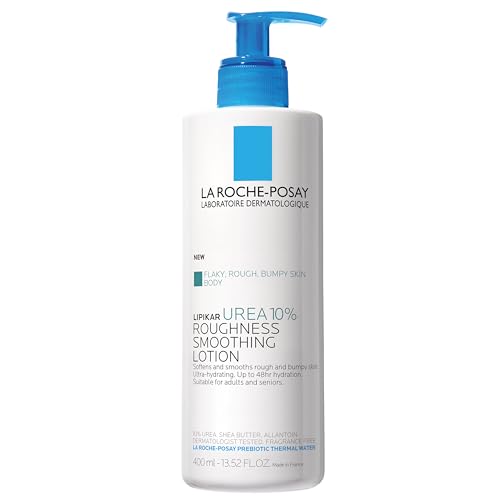
La Roche-Posay Lipikar Urea 10% Body Lotion for Dry Skin, 13.52oz
Included for 'Best Moisturizer for Keratosis Pilaris: Urea, Lactic Acid and How to Use Them' because the listing specifies 13.52oz, details this guide uses to compare options.
View on Amazon
Amlactin Intensive Healing Body Lotion, 15% Lactic Acid, 14.1 oz
Included for 'Best Moisturizer for Keratosis Pilaris: Urea, Lactic Acid and How to Use Them' because the listing specifies 15% Lactic Acid and 14.1 oz, details this guide uses to compare options.
View on AmazonKey ingredients compared
| Ingredient | Useful strength | What it does | Sting on shaved or cracked skin | Typical price |
|---|---|---|---|---|
| Urea | 10–20% body; 5–10% face | Softens keratin, strong humectant | Mild at 10%, more at 20%+ | $10–$20 |
| Lactic acid / ammonium lactate | 10–12% | Loosens dead cells, hydrates | Moderate | $12–$25 |
| Salicylic acid | 0.5–2% | Dissolves oil and keratin in follicles | Mild | $15–$22 |
| Ceramide cream (no acid) | – | Barrier repair, comfort | None | $12–$20 |
Widely available examples include Eucerin Roughness Relief Lotion (urea), AmLactin Daily Moisturizing Lotion (12% lactic acid) and CeraVe SA Cream for Rough and Bumpy Skin (salicylic acid plus urea and ceramides). All are commonly found in the $12–$25 range; check current price, as bottle sizes vary widely.
A routine that actually smooths the bumps
After the shower
Pat skin until it is just damp and apply the acid or urea lotion within three minutes. Damp skin traps more water, and the lotion spreads further, so a bottle lasts longer. For both upper arms, roughly two fingertip lengths of lotion is enough.
Daily, not occasionally
KP returns within a week or two of stopping. Think of the lotion like toothpaste: part of the daily routine, not a treatment course that ends.
Alternate if it stings
If a 12% lactic acid lotion stings, use it every other night and a plain ceramide cream on the in-between nights. After three or four weeks most people can use the active version daily.
Shaving, waxing and seasons
Acid and urea lotions sting on freshly shaved or waxed skin. Apply a plain moisturizer that day and the active one the next evening. KP is typically worse in winter, when indoor heating dries the skin; step up to twice-daily application from autumn and consider a humidifier in the bedroom. Summer humidity and sun often make KP look better, but lactic and glycolic acids make skin more sun-sensitive, so use sunscreen on treated areas that are exposed.
Face and red KP
KP on the cheeks, sometimes with redness, needs gentler handling: a 5% urea facial moisturizer or a plain ceramide lotion, and no body-strength acids. A persistently red form of KP may benefit from vascular laser in a clinic, which a moisturizer cannot replicate.
Children and KP
KP is very common in children and often improves with age. A simple fragrance-free emollient is the usual starting point; ask a pharmacist or paediatrician before using acid-containing body lotions on young children, as they can sting and some are not labelled for young ages.
When to get it checked
KP is harmless, but bumps that are itchy, pus-filled, spreading quickly or painful may be folliculitis or another condition rather than KP. It is also worth mentioning KP to a clinician if it comes with widespread dry, scaly skin or eczema, since treating the underlying dryness can make everything easier. If you take isotretinoin, avoid acid body lotions unless your prescriber agrees, as skin becomes fragile during treatment. Stop any active lotion on skin that is broken, sunburned or infected.
Realistic results
Most people see the rough feel improve first, within two to three weeks, while the colour of red or brown dots fades more slowly over two to three months.
Frequently asked questions
Can I use a body scrub instead?
Occasional gentle exfoliation is fine, but vigorous scrubbing tends to make KP redder and more inflamed. A chemical exfoliating lotion gives smoother results with less irritation.
Is urea better than lactic acid for keratosis pilaris?
Both work, and people respond differently. Urea is usually less stingy and a good first choice for sensitive skin; lactic acid may smooth a little faster. Some lotions combine both, and alternating between them is also reasonable.
Bottom line
The best moisturizer for keratosis pilaris contains a keratolytic, such as 10–20% urea, 12% lactic acid or salicylic acid, applied to damp skin every day. Expect smoother, less bumpy skin within four to eight weeks, and plan on keeping it up, since KP is a long-term tendency rather than something that is cured.
Ready to decide? Our #1 pick for 2026 is the Urea.
Live price & availability on Amazon.