Last updated: September 27, 2026
Walking into skincare for the first time can feel like decoding a foreign language: essences, actives, barrier repair, SPF ratings and a dozen acids that all promise glass skin. The good news is that a genuinely effective routine only needs a handful of steps done consistently. This guide breaks the core categories down so you can build a routine around your skin type and concerns instead of chasing every viral product.
The four steps that actually matter
Most dermatologists agree that a minimal, reliable routine beats a 10-step regimen you abandon after a week. The non-negotiables are a gentle cleanser, a moisturizer, a daytime sunscreen and one targeted treatment for your main concern. Everything else, from toners to eye creams, is optional polish.
Cleansers
Cleansers remove sunscreen, oil and grime without stripping the skin. Cream and gel cleansers suit dry to normal skin, while foaming or gel-to-foam formulas work for oily and combination types. If your face feels tight and squeaky after washing, the cleanser is too harsh.
Moisturizers
Moisturizers combine humectants (hydration magnets like glycerin and hyaluronic acid), emollients (softening lipids) and occlusives (moisture-sealing agents). Lightweight gel-creams suit oily skin; richer creams with ceramides suit dry or mature skin.
Sunscreen
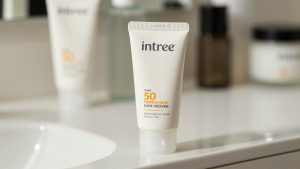
Daily broad-spectrum SPF 30 or higher is the single most proven anti-aging and anti-pigmentation step. Reapply every two hours of sun exposure. Modern Asian and European chemical filters feel far lighter than older formulas, which is why K-beauty sunscreens became so popular.
Active ingredients decoded
| Active | Main benefit | Typical strength | Use time |
|---|---|---|---|
| Vitamin C (L-ascorbic acid) | Brightening, antioxidant | 10-20% | Morning |
| Retinol | Fine lines, texture, acne | 0.2-1% | Night |
| Niacinamide | Oil control, tone, barrier | 2-10% | AM or PM |
| Hyaluronic acid | Surface hydration | 1-2% | AM or PM |
| Salicylic acid (BHA) | Unclogs pores | 0.5-2% | PM, 2-3x/week |
How to layer without overwhelming your skin
A safe order is thinnest to thickest: cleanse, apply water-based serums, then heavier creams, and seal the morning with sunscreen. Introduce one active at a time and wait two weeks before adding another so you can trace any irritation to its source. Retinol and vitamin C can both be used, just on alternate nights or C in the morning and retinol at night.
Matching a routine to your skin type
Oily and acne-prone skin does well with a foaming cleanser, niacinamide, a gel moisturizer and a fluid sunscreen. Dry skin benefits from a cream cleanser, hyaluronic acid, a ceramide moisturizer and richer SPF. Sensitive skin should lean on fragrance-free barrier-repair formulas and patch test everything.
Frequently asked questions
Do I really need a separate serum and moisturizer?
Serums deliver a concentrated dose of actives, while moisturizers hydrate and protect the barrier. You can skip serums when starting out, but pairing a targeted serum with a basic moisturizer usually gives better results than one do-it-all product.
How long before I see results?
Hydration and glow can appear within days, but tone and texture changes from actives like retinol and vitamin C typically take 8 to 12 weeks of consistent use. Patience and sunscreen do most of the heavy lifting.
Common beginner mistakes to avoid
The fastest way to derail a new routine is doing too much at once. Piling on multiple acids, a retinoid and a scrub in the same week is the classic path to a damaged barrier: stinging, flaking and redness that make people quit skincare entirely. Introduce one active every two weeks, and if your skin protests, drop back to the basics until it calms.
Another frequent error is skipping sunscreen on cloudy days or indoors near windows, since UVA passes through glass and clouds. Under-applying SPF is just as common; most people use a quarter to half of the amount needed for the labeled protection, so aim for roughly two finger-lengths for the face and neck. Finally, do not judge a product in three days. Actives need weeks, and hydration gains can be lost if you constantly swap products chasing instant results.
Building a routine on a budget
You do not need a shelf of expensive serums. A gentle cleanser, a ceramide moisturizer, a reliable sunscreen and one active such as niacinamide or a beginner retinol can cost very little and cover the fundamentals. Drugstore brands now offer dermatologist-grade formulas, so prioritize spending on a sunscreen you enjoy wearing daily over pricey treatments you use inconsistently.
How much should I spend on skincare?
Effectiveness is about formulation and consistency, not price. Many budget products outperform luxury ones. Spend where it improves adherence, usually a sunscreen and moisturizer you genuinely like, and save on commodity actives that work the same at any price.
Adjusting with the seasons and your life stage
Skin is not static, so your routine should flex. In cold, dry winter months you may need a richer moisturizer and gentler cleansing, while hot, humid summers call for lighter gels and diligent sunscreen reapplication. Hormonal shifts, travel, stress and even air conditioning all change how your skin behaves week to week, so treat your routine as a living system rather than a fixed prescription. When in doubt, simplify: a gentle cleanser, a good moisturizer and sunscreen will carry you through almost any change while your skin resettles.
Should my routine change as I age?
Broadly yes. Younger skin often focuses on prevention with sunscreen, antioxidants and light hydration, while later you may add retinoids, richer moisturizers and targeted treatments for tone and firmness. The fundamentals of cleanse, protect and hydrate never change.
Bottom line
Start with cleanse, moisturize and protect, then add a single active aimed at your biggest concern. Consistency and daily sunscreen matter more than the number of products on your shelf. Build slowly, listen to your skin, and upgrade only when a step earns its place.