Last updated: September 27, 2026
Facial cleansing brushes promise a deeper clean than fingertips, and for some people they deliver smoother-feeling skin and better removal of sunscreen and makeup. For others, they cause redness, breakouts or sensitivity, almost always because of overuse, too much pressure or a dirty brush head. Whether you own a sonic silicone device, a rotating bristle brush or a manual silicone pad, using a cleansing brush correctly comes down to pairing it with the right cleanser, limiting time and frequency, and keeping it clean. This guide covers each step and helps you decide how often your skin type can handle it.
Types of cleansing brushes
Sonic silicone brushes, such as the Foreo Luna line, pulse soft silicone touchpoints at high frequencies. They are generally gentler and more hygienic because silicone dries quickly and resists bacteria. Rotating or oscillating bristle brushes spin nylon bristles, offering more physical exfoliation but more potential for irritation. Manual silicone pads have no motor and rely on your hand movement. Technique is similar for all three, but bristle brushes need the lightest touch.
Step-by-step technique
1. Remove heavy makeup first
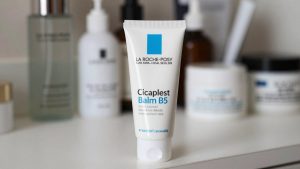
Take off long-wear foundation and mascara with a cleansing balm or micellar water. Brushes are not designed to dissolve waterproof products and can drag them into the skin.
2. Wet your face and the brush
Use lukewarm water. A dry brush on dry skin creates friction.
3. Apply cleanser to your face, not the brush
A gentle, low-foaming cleanser works best. Avoid scrubs with particles and cleansers containing strong acids when using a brush, since the combination over-exfoliates.
4. Use light contact and follow the timer
Let the brush rest lightly on the skin and move in small circles. Most devices include a timer: about 20 seconds for the forehead, 20 seconds for the nose and chin, and 10 seconds for each cheek, totaling roughly one minute. Do not press harder to “clean deeper.”
5. Skip sensitive areas
Avoid the eyelids and under-eye area. Go lightly around the nose, where capillaries may be visible.
6. Rinse and pat dry
Rinse your face thoroughly, pat dry with a clean towel, and follow with your usual serum and moisturizer.
How often to use it, by skin type
| Skin type | Brush type suited | Suggested frequency | Time per session |
|---|---|---|---|
| Oily, resilient | Sonic silicone or soft bristle | Once daily, evenings | About 60 seconds |
| Combination | Sonic silicone | 3-5 times per week | 45-60 seconds |
| Normal | Sonic silicone | 3-4 times per week | 45-60 seconds |
| Dry | Sonic silicone, low setting | 1-3 times per week | 30-45 seconds |
| Sensitive, rosacea-prone | Gentle silicone or none | Once weekly or skip | 30 seconds or less |
Combining with actives
If you use retinoids, exfoliating acids or benzoyl peroxide, your skin may already be more fragile. Reduce brush use to a few times a week, and avoid the brush on nights you apply strong actives. If you notice stinging after applying products, the brush may be removing too much of the barrier.
Cleaning and maintenance
After each use, rinse the brush head with warm water and a drop of mild soap, shake off water, and let it air dry upright. Weekly, clean it more thoroughly according to the manufacturer’s instructions. Bristle heads should typically be replaced every three months, or sooner if bristles splay. Silicone heads last much longer but should be replaced if they tear or discolor. Never share brush heads.
When to stop using a cleansing brush
Stop if you notice persistent redness, burning, new breakouts, flaking or a tight, shiny look. Take a two-week break, use only fingertips and gentle products, then reintroduce at lower frequency if desired. Avoid brushes entirely on active cystic acne, open wounds, sunburn, eczema flares or after procedures such as peels or laser until your provider says otherwise.
FAQ
Can I use a cleansing brush every day?
Resilient, oily skin may tolerate daily evening use. Most other skin types do better with a few sessions per week.
Should I use a cleansing brush in the morning or at night?
Evenings are usually best, when you have sunscreen, makeup and pollution to remove. In the morning, a rinse or gentle fingertip cleanse is enough.
Bottom line
To use a cleansing brush correctly, remove heavy makeup first, apply a gentle cleanser to wet skin, keep contact light for about a minute, and adjust frequency to your skin type. Clean the head after every use, replace it on schedule, and pause whenever your skin shows signs of over-cleansing.