Last updated: September 26, 2026
Hydrocolloid pimple patches have become one of the most popular spot treatments because they are simple, cheap and genuinely useful for the right kind of blemish. The same hydrocolloid material has been used in wound dressings for decades: it absorbs fluid, keeps the area moist and protected, and stops you picking. That makes patches very good for surface whiteheads that have come to a head, and much less useful for deep, painful bumps. Here is how to choose between the many patches on the shelf and when a patch is the wrong tool.
Quick answer: For most people in 2026, the best hydrocolloid pimple patches is the Plain hydrocolloid, thick — our #1 rated choice. See the full ranked comparison, alternatives and buying advice below.
How hydrocolloid patches work
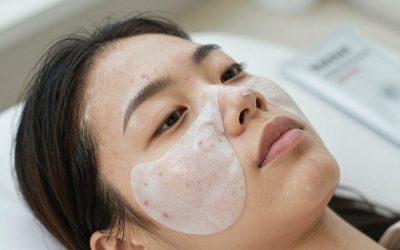
A hydrocolloid patch is a thin sheet of gel-forming material on an adhesive backing. Placed over an open or surfaced whitehead, it absorbs pus and oil, turning white as it fills. It also creates a barrier against fingers, bacteria from the environment and makeup. Many people find spots flatten faster and are less likely to scab when covered overnight.

Mighty Patch Hero Cosmetics Original Nighttime Acne Pimple Patches, 75 Ct
Included for 'Best Hydrocolloid Pimple Patches: How to Choose and Use Them' because the listing specifies 75 Ct, details this guide uses to compare options.
View on Amazon
Good Molecules Pimple Patches, Hydrocolloid Patches for Face, 60 Count
Included for 'Best Hydrocolloid Pimple Patches: How to Choose and Use Them' because the listing specifies Hydrocolloid Patches for Face and 60 Count, details this guide uses to compare options.
View on Amazon
CeraVe Hydrocolloid Pimple Patches with Niacinamide, Ultra-Thin, 22ct
Included for 'Best Hydrocolloid Pimple Patches: How to Choose and Use Them' because the listing specifies Ultra-Thin and 22ct, details this guide uses to compare options.
View on AmazonWhat patches do not do
Plain hydrocolloid does not reach deep under the skin. It cannot draw out a cyst or nodule, and it will not prevent new breakouts.
Types of pimple patch
| Type | Best for | Rough price | Notes |
|---|---|---|---|
| Plain hydrocolloid, thick | Whiteheads with a visible head, overnight | $5–$15 per 20–40 | Most absorbent; more visible |
| Thin, clear hydrocolloid | Daytime wear under makeup | $8–$15 per 20–40 | Less absorbent but discreet |
| Medicated (salicylic acid, tea tree) | Early, unopened spots | $10–$20 | Can irritate sensitive skin |
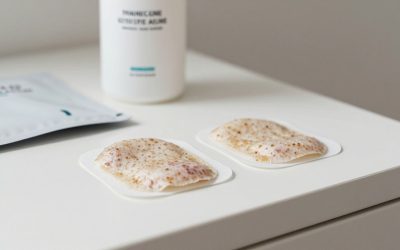
| Microneedle / micro-dart patches | Early, under-the-surface bumps | $12–$25 for a few | Tiny dissolving points deliver actives |
| Large or shaped patches | Chin, nose or clusters | $8–$18 | Fewer edges lifting |
Pack sizes and prices change often; check the current price per patch rather than per pack.
Well-known patch styles
Hero Cosmetics’ Mighty Patch and the COSRX Acne Pimple Master Patch are two of the most familiar plain hydrocolloid options, sold widely in pharmacies and online. Starface makes colourful star-shaped patches that some people prefer precisely because they are visible and playful. Several brands also sell microneedle patches with salicylic acid or niacinamide for spots that have not surfaced. These are examples of styles; the right patch depends on your spot type and when you wear it.
How to use a patch properly
- Wash hands and cleanse the area. Pat completely dry.
- Skip serums, oils and moisturiser on that spot; they stop the patch sticking.
- Choose a patch slightly larger than the blemish.
- Press firmly for 10–15 seconds to seal the edges.
- Leave for 6–8 hours, or until it turns opaque white.
- Peel slowly, cleanse gently and replace if more fluid remains.
Choosing by situation
- Overnight, visible whitehead: thick plain hydrocolloid.
- Daytime, under makeup: thin, matte-finish patch.
- Tender bump with no head: microneedle patch, used once or twice.
- Picked or scabbed spot: plain hydrocolloid to protect while it heals.
- Sensitive skin: avoid tea tree and fragranced patches.
Common mistakes that waste patches
- Using them too early on a closed bump. A plain hydrocolloid has nothing to absorb yet. Wait for a head, or use a microneedle patch instead.
- Squeezing first, then patching. Squeezing pushes debris deeper and damages skin. If a spot has opened on its own, a patch helps it heal; if you forced it, expect a longer recovery.
- Wearing one patch for days. Once it is saturated it stops absorbing and can soften surrounding skin. Change it.
- Buying the biggest pack of a patch you have not tried. Adhesives vary. Try a small pack first, especially if you have reacted to plasters before.
Patches also pair well with a sensible routine: a gentle cleanser, a non-comedogenic moisturiser and daily sunscreen. They are a spot tool, not a substitute for treating the underlying breakouts.
When a patch is not enough
If you have frequent deep, painful bumps, nodules or cysts, breakouts that leave scars or dark marks, or acne that has not improved after two to three months of consistent over-the-counter care, see a dermatologist or GP. Prescription treatments can prevent scarring that patches cannot. Also stop using a patch if the skin under it becomes red, itchy or blistered, which can signal an adhesive allergy.
FAQ
Can I reuse a pimple patch?
No. Once removed it loses adhesion and may carry bacteria. Use a fresh patch each time.
Do microneedle patches hurt?
Most people feel only a light prickle. The tiny points dissolve into the skin. Avoid them on broken skin or open spots.
Bottom line
Plain hydrocolloid patches are cheap, effective protection for surfaced whiteheads, while thin patches suit daytime and microneedle patches suit early bumps. Apply to clean, dry skin and change when white. Check the current price per patch, and see a clinician for deep, painful or scarring acne that patches cannot reach.
Ready to decide? Our #1 pick for 2026 is the Plain hydrocolloid, thick.
Live price & availability on Amazon.