Last updated: September 26, 2026
Microcurrent devices send very low-level electrical currents, measured in microamps, across facial muscles and skin. The idea is borrowed from physical therapy, and in aesthetics it is used to give the face a temporarily lifted, more toned look, especially along the cheekbones, jawline and brows. At-home devices have become popular, but prices range from around $100 to over $400, and the differences between them are not always obvious. This guide focuses on the criteria that actually separate a useful at-home microcurrent device from a disappointing one, plus the safety rules that apply to every model.
What microcurrent can realistically do
Microcurrent may temporarily improve the look of facial contour and muscle tone, and some users notice a subtle “lifted” appearance for hours to a day after a session. Longer-term benefits with regular use are reported by many users, but high-quality clinical evidence is limited, and results vary widely. It will not replace fillers, surgery or other clinical procedures, and it does not tighten loose skin in the way radiofrequency or ultrasound treatments aim to.

INIA FLARE 3-in-1 Microcurrent Facial Device Red Light Therapy for Face
Included for 'Best Microcurrent Device for At-Home Use in 2026' as a relevant option in this category; details come from the product listing.
View on Amazon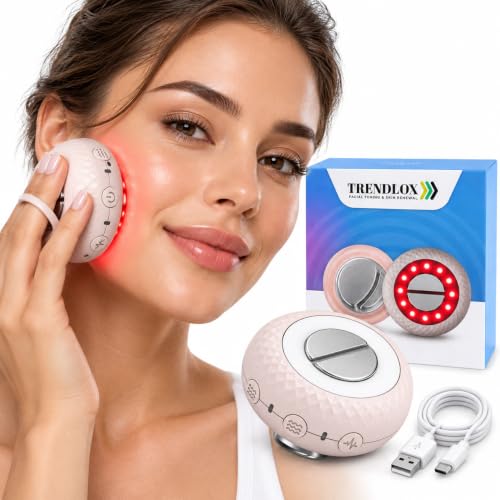
TRENDLOX TR1 Face & Neck Massager, Facial Toning Device with Microcurrent, Vibration Massage, Red, Blue & Near-Infrared LED Light, Rechargeable Skin Care Device for At-Home Use
Included for 'Best Microcurrent Device for At-Home Use in 2026' because the listing specifies Facial Toning Device with Microcurrent and Vibration Massage, details this guide uses to compare options.
View on Amazon
bt-Sculpt GEN2, Microcurrent Facial Lifting, Sculpting, and Firming with Proprietary Kinesthetic Lifting for Home use (White)
Included for 'Best Microcurrent Device for At-Home Use in 2026' because the listing specifies Microcurrent Facial Lifting and Sculpting, details this guide uses to compare options.
View on AmazonWho should not use microcurrent
Do not use microcurrent if you have a pacemaker or other implanted electronic device, are pregnant, have epilepsy, have active cancer, or have metal implants in the treatment area, unless a physician approves. Avoid use over broken skin, active acne cysts, infections, or recent procedures. If you have had injectables, ask your injector how long to wait; many suggest around two weeks after neurotoxin and longer after fillers.
Criteria that separate good devices
Current levels and adjustability
Look for a device with several intensity levels so you can start low and increase. Well-known consumer devices commonly deliver currents in the low hundreds of microamps. A clear display of the level matters more than a high maximum.
Electrode design
Two-sphere designs glide along contours and suit large areas such as cheeks and jaw. Smaller tips or attachments reach the brows, forehead and around the eyes. Some brands sell interchangeable attachments; check replacement costs.
Conductive gel requirements
Microcurrent requires a conductive medium. Most devices need a water-based gel, applied generously. Factor in the ongoing cost of gel, which can run $20 to $40 per bottle for branded versions.
Guided routines and apps
Some devices pair with apps that time each movement. Guidance helps beginners use the device consistently, which matters more for results than raw specifications.
Battery and build quality
Rechargeable batteries that last several weeks of five-minute sessions, a solid grip and a clear warranty make the device easier to live with.
Comparing device types
| Device style | Examples of well-known brands | Best for | Rough price range |
|---|---|---|---|
| Handheld dual-sphere | NuFACE Trinity and Mini lines | Cheeks, jaw, neck | $200-400 |
| Wand with multiple modes | ZIIP Halo | Programmed routines, app guidance | $300-500 |
| Compact silicone device | Foreo Bear line | Travel, sensitive users | $200-350 |
| Multi-function handheld | Devices combining microcurrent with LED or RF | People wanting several modalities | $150-450 |
Prices change often and differ by retailer; check current price. Brand names are listed as examples of established device styles, not ranked recommendations.
Consistency beats specifications
Almost every manufacturer suggests daily or near-daily five-minute sessions for the first 60 days, then two to three sessions weekly for maintenance. People who stop using the device see effects fade. Before buying, be honest about whether you will actually use it five times a week. If not, the money may be better spent on sunscreen and a retinoid, which have stronger evidence for long-term skin quality.
Warning signs of a poor device
Be cautious of devices that do not state their current level, have no clear safety warnings, promise permanent lifting, or come from sellers without contact details or warranty. Very cheap devices may deliver inconsistent current. Look for regulatory information relevant to your market, such as FDA clearance for cosmetic use in the US.
FAQ
How long do microcurrent results last?
Many users notice a temporary effect lasting hours to a day or so. With consistent use over weeks, some report longer-lasting improvements, but these fade if you stop.
Can microcurrent be used with retinol?
Yes, though not at the same moment. Use the device on clean skin with gel, rinse, and apply retinol afterward in the evening if your skin tolerates it.
Bottom line
The best microcurrent device for at-home use is one with adjustable, clearly stated current levels, electrodes that fit the areas you care about, affordable gel, guidance that keeps you consistent, and a reputable warranty. Screen for contraindications first, expect subtle and temporary lifting, and commit to regular sessions if you want to see results.