Last updated: September 27, 2026
Evenings with a newborn are unpredictable. A skincare routine that relies on a relaxed half-hour in the bathroom is unlikely to happen. What helps instead is a short, reliable night routine that removes the day’s sunscreen, treats one concern, and leaves skin comfortable enough to handle a night of broken sleep. If you are breastfeeding, a few ingredients need extra care, and it is worth confirming your choices with your doctor, midwife or lactation consultant.
What postpartum skin needs at night
After birth, skin often swings between dryness and breakouts as hormones rebalance. Pigmentation from pregnancy may persist. Sleep loss can make skin look dull and slow to recover from irritation. The night routine addresses these with gentle repair rather than aggressive treatment, which is also easier to fit around feeds.
The postpartum PM routine
Step 1: Remove sunscreen
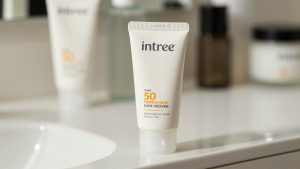
Micellar water on a cotton pad is fast and can be done anywhere, even without a sink nearby. If you wore tinted sunscreen or makeup, a cleansing balm followed by a quick rinse is more thorough.
Step 2: One treatment, chosen by concern
- Breakouts: azelaic acid is frequently considered compatible with breastfeeding; confirm with your clinician. Niacinamide is another gentle option.
- Lingering pigmentation: azelaic acid or niacinamide, combined with strict daytime SPF.
- Dullness: a hydrating serum; ask your clinician before adding exfoliating acids.
- Dryness or sensitivity: skip treatments and focus on moisturizer.
Step 3: Moisturizer
A ceramide-based cream suits most postpartum skin. If you are very dry, choose a richer cream and add a thin layer of balm on the driest areas.
Step 4: Body and hands
Frequent handwashing and sanitizer use can crack the skin on your hands. Apply a thick, fragrance-free hand cream at night. For stretch marks, a body moisturizer can improve comfort and texture, though no cream has been shown to erase them.
Reintroducing retinoids
Retinoids are often the first thing people want back after pregnancy. If you are not breastfeeding, many clinicians are comfortable with restarting them, but ask first. If you are breastfeeding, retinoids are commonly still advised against. When you do restart, begin with a low strength two nights a week, because skin that has been off retinoids for months will need to readjust.
| Stage | Face treatment options | Notes |
|---|---|---|
| Early weeks postpartum | Moisturizer only, or niacinamide | Prioritize rest and comfort |
| Breastfeeding | Azelaic acid, niacinamide, vitamin C | Confirm each with your clinician |
| Not breastfeeding | Above, plus retinoid if cleared | Start low, two nights a week |
| Weaning | Gradual return to prior routine | One new product every two weeks |
Making nights easier
- Keep a small tray with micellar water, cotton pads, your treatment and moisturizer near where you feed or sleep.
- Choose pump bottles you can use one-handed.
- Do your routine at the first feed-and-settle of the evening rather than waiting for a “proper” bedtime.
- On nights you are too tired, moisturizer alone is fine.
How to choose products
Stick to fragrance-free formulas, since scent can irritate sensitive postpartum skin and may bother some babies during close contact. Avoid applying products to the breast area if nursing unless they are designed for it. Check ingredient lists for hidden retinoids and check the current label when you repurchase.
Hair shedding and the scalp
Many people notice heavier hair shedding a few months after birth. It is usually temporary as hair growth cycles reset. A gentle shampoo, avoiding tight hairstyles and being patient generally help; if shedding is heavy, patchy or continues well beyond the first year, ask a doctor to check for causes such as thyroid changes or low iron.
Who should get medical advice
If you notice a rash that spreads, severe itching, signs of infection around an incision, or skin changes with fever, contact your healthcare provider. Persistent low mood, anxiety or exhaustion beyond what feels manageable should also be raised with your care team.
FAQ
Is azelaic acid safe while breastfeeding?
Azelaic acid is commonly considered a low-concern option during breastfeeding, but guidance can vary. Check with your doctor or lactation consultant before starting.
Why am I breaking out after giving birth?
Hormonal shifts, stress and sleep disruption can all contribute. A gentle routine with one treatment usually helps; see a doctor if breakouts are painful or widespread.
Bottom line
A postpartum night routine should be short and dependable: remove sunscreen, use one treatment matched to your main concern, and moisturize well, with extra care for hands. Keep products fragrance-free, confirm actives with your clinician if nursing, and let moisturizer alone be enough on the hardest nights.