Last updated: September 27, 2026
By evening, dry mature skin has spent the day losing water through a barrier that simply produces fewer lipids than it did a decade ago. Makeup, indoor heating and sunscreen filters add to the feeling of tightness. The night routine is where you can do the most for this skin type: it is the window for retinoids, richer creams and uninterrupted repair. This PM routine is built for skin that is both dry and showing lines, loss of firmness or crepiness, and it pairs with a lighter morning routine that focuses on antioxidants and SPF.
Quick answer: Our top pick in 2026 is the Monday — our #1 rated choice. See the full ranked comparison, alternatives and buying advice below.
The goals of a night routine for dry mature skin
The evening routine has three jobs. First, remove sunscreen and makeup without stripping what little oil the skin has left. Second, deliver one well-chosen active for visible aging, usually a retinoid. Third, seal everything in so the skin wakes up comfortable rather than flaky. Everything else is optional.
The step-by-step PM routine
Step 1: Oil or balm cleanse
If you wore mineral SPF or makeup, massage a cleansing oil or balm onto dry skin for about 60 seconds, emulsify with water, and rinse. This lifts film-forming sunscreens without the squeaky feel that foaming cleansers leave behind.
Step 2: Cream or milk cleanser
Follow with a non-foaming cream or milky cleanser, or skip this step on nights you wore nothing but moisturizer. Lukewarm water only; hot water noticeably increases tightness on dry skin.
Step 3: Hydrating layer on damp skin
Press in a hydrating toner or essence with glycerin, hyaluronic acid or panthenol while skin is still damp. This gives the retinoid and moisturizer a hydrated base and reduces dryness from actives.
Step 4: Retinoid (3–5 nights per week)
A retinoid is the most established cosmetic ingredient for the look of fine lines and uneven texture. Mature dry skin often does best with a lower-strength retinol or retinal in a cream base rather than a watery serum. Start two nights a week, and increase only if skin stays comfortable for two to three weeks. Use a pea-sized amount for the whole face and keep it away from the corners of the nose, lips and eyes.
Step 5: Rich moisturizer
Choose a cream with a mix of ceramides, cholesterol and fatty acids, or with squalane, shea butter and glycerin. Dry mature skin generally needs more occlusion than gel creams provide. If retinoid dryness is a problem, apply moisturizer first and the retinoid on top, a method often called buffering.
Step 6: Targeted extras
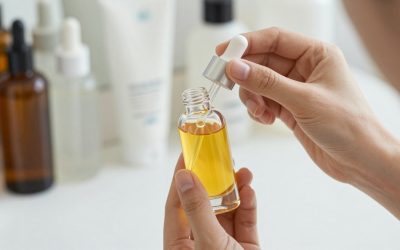
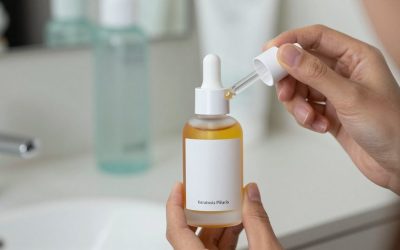
Finish with an eye cream if you like one, a thin layer of petrolatum-based balm on especially dry patches, and a lip treatment. A drop of face oil pressed over moisturizer can help on very dry winter nights.
A weekly schedule that avoids overload
Rotating actives keeps results steady without the peeling that makes people quit.
| Night | Active step | Moisturizer focus |
|---|---|---|
| Monday | Retinoid | Ceramide cream |
| Tuesday | Rest: peptide or hydrating serum | Rich cream + face oil |
| Wednesday | Retinoid | Ceramide cream |
| Thursday | Rest: peptide or hydrating serum | Rich cream |
| Friday | Retinoid | Ceramide cream |
| Saturday | Gentle lactic acid (optional, max once weekly) | Rich cream + balm on dry patches |
| Sunday | Recovery: no actives | Occlusive layer or overnight mask |
How to choose products for this routine
- Cleansers: look for “non-foaming,” “cream” or “milk,” with a short ingredient list. Avoid high-sulfate foaming washes.
- Retinoids: prefer a cream base and encapsulated or lower-strength forms if you are new. Check the current label for the retinoid type rather than trusting front-of-pack percentages.
- Moisturizers: a formula that feels slightly too rich in the jar usually feels right on dry mature skin by morning.
- Fragrance: mature skin is often more reactive than it used to be; fragrance-free products reduce one variable.
Who should adjust or avoid parts of this routine
Skip retinoids if you are pregnant, trying to conceive or breastfeeding unless your clinician approves. If you have rosacea, eczema or are using prescription topical treatments, ask your dermatologist before adding retinol or acids. Anyone with a history of reactions should patch test each new product on the jawline for several nights. Persistent stinging, swelling or peeling means stop the active and let the barrier recover.
FAQ
Should I use retinol every night if my skin is dry and mature?
Not at first. Most dry mature skin does better with three to five nights a week and rest nights in between. Nightly use is only worth trying after months of comfortable use.
Is a face oil enough instead of a night cream?
Usually not. Oils reduce water loss but contain no humectants. Dry skin generally does best with a cream for water-binding and barrier lipids, with oil as an optional top layer.
Bottom line
A night routine for dry mature skin works best when it is gentle, consistent and slightly richer than you think you need: a double cleanse that does not strip, a hydrating layer, a retinoid a few nights a week, and a barrier-focused cream to seal it in. Adjust frequency by how your skin feels, not by how fast you want results.
Ready to decide? Our #1 pick for 2026 is the Monday.
Live price & availability on Amazon.