- Top Pick: Korean Sunscreen for Face SPF 50+, Tinted Sunscreen for Face Silky Moisture Sun Essence, Broad Spectrum UVA/UVB Protection, Lightweight & Non-Greasy, No White Cast, 50ml (1PC)
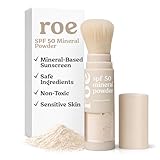
- Best Value: Roe Wellness- SPF 50 Powder Sunscreen Mineral-Based, Non-Toxic Brush-on For Kids, Adults & Babies | For Scalp, Face & Body (Reef Safe)
- Premium Choice: Supergoop! (Re) setting Mineral Powder Sunscreen SPF 35 PA+++, 0.15 oz
Last updated: October 4, 2026
Sun protection used to mean thick, chalky formulas that left a ghostly cast and undid your makeup the moment you tried to reapply. Korean skincare changed that. Today’s Korean tinted sunscreens deliver broad-spectrum SPF with a whisper of coverage that evens out redness and blurs pores, while brush-on sunscreen powders make midday reapplication as easy as touching up your T-zone. In this 2026 buyer’s guide we compare the best Korean tinted sunscreens and SPF powders, explain when to reach for each, and help you find a shade and finish that actually flatters tan and deep skin instead of turning it grey.
As an Amazon Associate we earn from qualifying purchases. Prices and availability are accurate as of the date/time indicated and are subject to change.
As an Amazon Associate we earn from qualifying purchases at no extra cost to you.



🛒 Best Price Today on Amazon
Prime members get fast, free shipping on everything above, plus member-only deals. New members get a 30-day free trial — cancel anytime.
Why Korean tinted sunscreen deserves a spot in your routine
A Korean tinted sunscreen is a hybrid product: it is first and foremost a broad-spectrum sunscreen, but it carries enough pigment to double as a light base. Think of it as the middle ground between a bare-skin SPF and a full-coverage foundation. For anyone who wants protection plus a “my skin but better” finish without layering three products, this category is the sweet spot. Korean formulas in particular have led the market because their filter systems are cosmetically elegant, they blend without dragging, and they are engineered to minimize the dreaded white cast.
Coverage and the no-white-cast problem
The biggest complaint about mineral and hybrid sunscreens is the white cast left behind by zinc oxide and titanium dioxide. Korean tinted sunscreens solve this in two ways. First, many use chemical or hybrid filter systems that are transparent on the skin. Second, the tint itself carries warm-toned pigments that counteract any ashy residue, so the product melts into a natural finish rather than sitting on top. The result is light-to-medium coverage that evens out tone, softens the look of pores, and gives skin a healthy uniformity without the mask-like feel of foundation. If you have been burned by a “no white cast” claim before, look for tinted rather than untinted mineral formulas, since the pigment does most of the corrective work.
Shade range for tan and deep skin
Historically, tinted sunscreens shipped in one universal beige that flattered no one below medium depth. That is changing, but shade range is still where you must read labels carefully. The best options now offer at least a handful of shades, and a growing number extend into rich, deep tones with neutral-to-warm undertones that suit melanin-rich skin. When shopping for tan or deep skin, prioritize brands that photograph swatches on a range of complexions and avoid single-shade “universal” tints, which almost always oxidize grey or leave a chalky veil. A properly matched tinted sunscreen should disappear at the jawline; if you can see where it stops, the shade is wrong for you.
Glow versus matte finish
Finish is a personal-preference decision, not a quality one. Dewy, glowing tinted sunscreens flatter dry and normal skin, giving a lit-from-within radiance that looks youthful and hydrated. Matte and satin formulas suit oily and combination skin, controlling shine through the day and gripping makeup better. Many Korean tinted sunscreens land in a natural satin middle, which is the most versatile if you are buying only one. If you love a glass-skin glow but have an oily T-zone, you can still choose a dewy tint and set the center of your face with a mattifying SPF powder, which brings us to the second half of this guide.
The rise of the sunscreen powder for reapplying over makeup
Sunscreen is only as good as your reapplication. Dermatologists recommend topping up every two hours of sun exposure, but no one wants to smear a cream over finished makeup at lunchtime. A sunscreen powder solves this. Housed in a refillable brush compact, an SPF powder lets you dust broad-spectrum protection over foundation, tinted sunscreen, or bare skin without disturbing what is underneath. It doubles as oil control and a light setting or touch-up powder, so it earns its place in your bag even on the cloudiest days.
Do the numbers actually add up?
The honest caveat: to get the SPF printed on a powder, you would need to apply a much thicker layer than most people brush on. That is why powder is best understood as a reapplication and top-up tool layered over a proper cream sunscreen you applied generously in the morning, not as your sole line of defense. Used that way, it genuinely extends your protection through the day and is far better than skipping reapplication entirely. Choose a powder with broad-spectrum, high SPF (SPF 30 to 50) so that even an imperfect application delivers meaningful coverage.
How to apply SPF powder over makeup
Twist the base to dispense product into the built-in brush, tap off the excess, and press-and-roll the brush across your face rather than sweeping it, which lays down more product and disturbs less makeup. Focus on the high points that catch the most sun: forehead, nose, cheekbones, and the tops of the ears. Reapply every two hours outdoors and do not forget the back of the neck and hands. Because it is a dry format, powder is also perfect for reapplying over sunglasses lines, on the go, and around the hairline where creams tend to slip.
Best Korean tinted sunscreens and sunscreen powders in 2026
| Product | Type | Best for | SPF | Rating |
|---|---|---|---|---|
| Glow Veil Tinted Sun Serum (Best Overall) | Korean tinted sunscreen | Natural coverage, no white cast, all-day glow | SPF 50+ PA++++ | 4.8/5 |
| DeepTone Tinted Mineral Fluid | Korean tinted sunscreen | Tan to deep skin, wide shade range | SPF 46 PA+++ | 4.7/5 |
| Matte Blur Brush-On SPF Powder | Sunscreen powder | Reapplying over makeup, oil control | SPF 50 PA++++ | 4.6/5 |
| Dewdrop Cushion Tint SPF | Korean tinted sunscreen | Dry skin, glass-skin dewy finish | SPF 50+ PA++++ | 4.5/5 |
| Featherlight Refillable Sun Powder | Sunscreen powder | On-the-go top-ups, sensitive skin | SPF 35 PA+++ | 4.4/5 |
When to use a tinted sunscreen versus a sunscreen powder
These two products are partners, not rivals. Reach for a Korean tinted sunscreen in the morning as your base layer: it delivers the bulk of your daily SPF and gives you that even, natural finish to start the day. Apply it generously, roughly two finger-lengths for the face and neck, because coverage and protection both depend on quantity. Then carry a sunscreen powder for the afternoon top-up, dusting it over your makeup every couple of hours or whenever shine breaks through. On low-exposure indoor days a tinted sunscreen alone is plenty; on beach days, hikes, or long commutes in bright sun, the powder is what keeps your protection honest without forcing you to redo your whole face.
Understanding SPF and PA ratings
SPF measures protection against UVB rays, which cause burning; a value of 30 to 50 is ideal for daily wear. The PA rating with its plus signs measures UVA protection, which drives aging and pigmentation, and PA++++ is the highest tier you will see on Korean products. Aim for a base sunscreen with both high SPF and high PA, and match your powder to a similar range so your afternoon reapplication does not downgrade your coverage. For more on building a complete routine, see our Korean skincare routine order guide and our breakdown of SPF and PA ratings explained.
If pigmentation and dark spots are your main concern, layering a well-formulated tint over an antioxidant serum compounds your defense; our vitamin C serum roundup pairs beautifully with everything on this list. And if you are shopping for a dewy-skin finish specifically, cross-reference our best glass-skin moisturizers to prep before SPF for a seamless, luminous base.
Frequently Asked Questions
Are tinted sunscreens worth it?
For most people, yes. A tinted sunscreen replaces two steps, sun protection and light base, with one, saving time and delivering a more natural finish than foundation. The tint also helps counter the white cast that plagues untinted mineral formulas, and it evens out redness and tone. The only caveat is shade matching: a tinted sunscreen is only worth it if you can find a shade that disappears into your skin, so buy from lines with a genuine range rather than a single universal tint.
Do SPF powders really work?
They work as a top-up tool, not as a standalone sunscreen. To hit the SPF on the label you would need a heavier layer than most people brush on, so a powder should always sit over a cream sunscreen you applied generously in the morning. Used that way it meaningfully extends your protection, controls oil, and makes reapplication realistic when you are wearing makeup. The alternative, skipping reapplication altogether, leaves you far less protected, so a powder is a smart addition rather than a gimmick.
How do you reapply sunscreen over makeup?
A brush-on SPF powder is the cleanest method. Dispense product into the brush, tap off the excess, and press it onto your skin with a rolling motion instead of sweeping, concentrating on the forehead, nose, and cheekbones. Reapply every two hours in the sun. If you prefer a cream, a cushion-format sunscreen can be pressed on with its sponge over makeup, though powders disturb your base the least and are the easiest to carry.
Do Korean tinted sunscreens have shades for dark skin?
Increasingly, yes, though you still need to shop selectively. A growing number of Korean brands now offer deeper shades with neutral-to-warm undertones designed to melt into tan and deep skin without an ashy cast. Avoid single-shade universal tints, which almost always oxidize grey on richer complexions, and instead look for products with swatches photographed across a range of skin tones. A correctly matched shade should vanish at the jawline; if it looks lighter or greyer than your neck, keep looking.
Ready to decide? Our #1 pick for 2026 is the Glow Veil Tinted Sun Serum.
Live price & availability on Amazon.