Last updated: October 4, 2026
⚡ Key Takeaways
- Most people fall into one of five categories.
- Dry skin is a type—it lacks oil and tends to be a long-term trait.
- Your skin type isn't necessarily fixed for life.
- Once you know your type, product selection gets much easier:
Before you can choose the right cleanser, moisturizer, or serum, you need to answer one foundational question: what kind of skin do you actually have? Learning how to know your skin type is the first and most important step toward a routine that works—because a product perfect for oily skin can leave dry skin flaking, and vice versa. The good news is you don’t need a dermatologist’s office or fancy equipment. Two simple at-home tests can reveal your skin type in under an hour. This guide walks you through both methods, describes each skin type in detail, and shows you how to choose products once you know where you fall.
As an Amazon Associate we earn from qualifying purchases at no extra cost to you.



🛒 Best Price Today on Amazon
Prime members get fast, free shipping on everything above, plus member-only deals. New members get a 30-day free trial — cancel anytime.
The Five Main Skin Types
Most people fall into one of five categories. Understanding the characteristics of each helps you interpret your test results:
- Normal: Balanced—neither too oily nor too dry, with few concerns and small pores.
- Oily: Shiny, especially in the T-zone, with visible pores and a tendency to break out.
- Dry: Tight, flaky, or rough, sometimes with dullness and fine lines from dehydration.
- Combination: Oily in the T-zone (forehead, nose, chin) but normal to dry on the cheeks.
- Sensitive: Easily irritated, prone to redness, stinging, or reactions to products.
Note that sensitivity can overlap with any of the other types—you might have sensitive-dry or sensitive-oily skin.
Test 1: The Bare-Face Method
This is the most reliable at-home test because it observes your skin in its natural state.
- Wash your face with a gentle cleanser and pat dry.
- Apply no products—no moisturizer, serum, or sunscreen.
- Wait 30 minutes to an hour without touching your face.
- Observe how your skin looks and feels.
Interpreting the results:
| How your skin feels/looks | Likely skin type |
|---|---|
| Comfortable, balanced, no shine or tightness | Normal |
| Shiny all over, especially T-zone | Oily |
| Tight, rough, or flaky | Dry |
| Shiny T-zone but dry/normal cheeks | Combination |
| Red, stinging, or reactive after cleansing | Sensitive |
Test 2: The Blotting Sheet Method
This quick test is great for distinguishing oily from dry and combination skin.
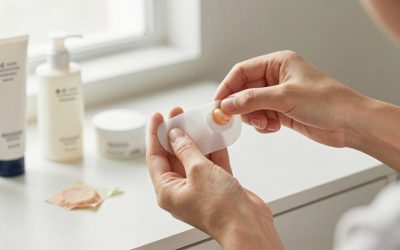
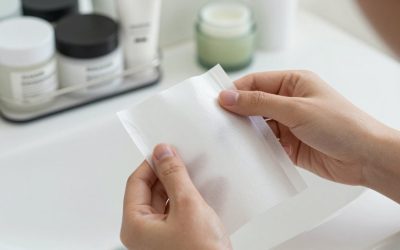
- About an hour after cleansing (with no products on), press a clean blotting sheet or thin tissue against different areas of your face.
- Hold each sheet up to the light to see how much oil it absorbed.
How to read it:
- Little to no oil anywhere: Dry or normal skin.
- Oil from all areas: Oily skin.
- Oil only from the T-zone: Combination skin.
This method gives you a clear, visual read on your skin’s oil production zone by zone.
Don’t Confuse Dry Skin With Dehydrated Skin
One common point of confusion: dry skin and dehydrated skin aren’t the same thing. Dry skin is a type—it lacks oil and tends to be a long-term trait. Dehydrated skin is a temporary condition—it lacks water, and even oily skin can be dehydrated. If your skin feels tight but still gets shiny, you may have oily, dehydrated skin rather than dry skin. The fix for dehydration is added hydration (like hyaluronic acid and a humectant-rich moisturizer), not heavier oils.
How Your Skin Type Can Change
Your skin type isn’t necessarily fixed for life. It can shift with:
- Seasons: Skin often gets drier in winter and oilier in summer.
- Age: Many people’s skin becomes drier over time.
- Hormones: Cycles, pregnancy, and other changes affect oil production.
- Climate and environment: Humidity, heat, and dryness all play a role.
It’s worth re-checking your skin type once or twice a year, or whenever it starts behaving differently.
Choosing Products for Your Skin Type
Once you know your type, product selection gets much easier:
- Oily: Gel cleansers, oil-free moisturizers, lightweight textures, and non-comedogenic formulas.
- Dry: Creamy cleansers and rich, nourishing moisturizers with ceramides and humectants.
- Combination: Balanced, lightweight products; you may treat the T-zone and cheeks slightly differently.
- Sensitive: Fragrance-free, minimal-ingredient products. Our best gentle face moisturizer for sensitive skin guide is a good place to start, along with K-beauty options in our best K-beauty moisturizer for sensitive skin roundup.
No matter your type, two things apply universally: everyone needs hydration suited to their skin, and everyone needs daily sun protection. Sensitive and reactive skin in particular tends to do well with mineral formulas—see our best mineral sunscreen for adults picks. As your skin matures, you may also want to add a targeted anti-wrinkle moisturizer for sensitive skin to your routine.
Reading Your Skin’s Daily Signals
Beyond formal tests, your skin gives you clues every day if you pay attention. Notice how it feels right after cleansing—tight and uncomfortable points toward dry or sensitive, while shiny within an hour points toward oily. Pay attention to where makeup or sunscreen breaks down first; the T-zone going shiny while cheeks stay matte signals combination skin. Watch how your skin reacts to new products: frequent stinging, redness, or breakouts suggest sensitivity. These ongoing observations are just as valuable as a single test, because they reflect how your skin behaves in real life across different conditions.
What Skin Type Doesn’t Tell You
Knowing your skin type is essential, but it’s only one piece of the puzzle. Your type tells you about oil and moisture balance, but it doesn’t capture specific concerns like acne, hyperpigmentation, redness, or signs of aging—those are addressed by targeted treatment ingredients regardless of type. You can have oily skin with dark spots, or dry skin with breakouts. Think of skin type as the foundation that guides your cleanser and moisturizer choices, and your individual concerns as the layer on top that guides your serums and treatments. Understanding both gives you a complete picture for building a routine that truly fits.
A Quick Reference Checklist
When you’re ready to test and identify your skin type, keep this simple checklist in mind:
- Cleanse with a gentle, non-stripping cleanser before testing.
- Apply no products and wait a full hour without touching your face.
- Observe shine, tightness, flaking, and any redness or stinging.
- Use a blotting sheet to confirm where oil appears.
- Consider whether tightness is true dryness or temporary dehydration.
- Re-test seasonally, since skin can change throughout the year.
Top-Rated Picks


| Product | Brand | Rating | Reviews | Price |
|---|---|---|---|---|
| CeraVe Moisturizing Cream, Body and Face Moisturizer … | CeraVe | ★ 4.7 | 144.3k | under $20 |
| Bio-Oil Skincare Body Oil Serum for Scars and Stretch… | Bio-Oil | ★ 4.6 | 178.2k | under $30 |
| THAYERS Alcohol-Free, Hydrating Cucumber Witch Hazel … | — | ★ 4.7 | 134.6k | under $20 |
| THAYERS Alcohol-Free, Hydrating, Unscented Witch Haze… | — | ★ 4.7 | 134.6k | under $20 |
| THAYERS Alcohol-Free Rose Petal Witch Hazel Facial To… | — | ★ 4.7 | 134.6k | under $20 |
Frequently Asked Questions
How can I tell my skin type at home?
Try the bare-face method: cleanse, apply nothing, wait an hour, and observe. Shiny all over means oily; tight or flaky means dry; shiny T-zone with normal cheeks means combination; balanced means normal; and redness or stinging suggests sensitivity.
What’s the difference between dry and dehydrated skin?
Dry skin is a type that lacks oil and is usually long-term. Dehydrated skin is a temporary condition that lacks water and can affect any skin type, including oily skin. Dehydration is fixed with added hydration, not heavier oils.
Can my skin type change over time?
Yes. Skin type can shift with the seasons, age, hormones, and climate. It’s a good idea to re-evaluate your skin type once or twice a year, or whenever your skin starts behaving differently than usual.
What is a T-zone?
The T-zone is the area across your forehead and down your nose and chin, forming a “T” shape. It tends to have more oil glands, which is why combination skin is often oilier here while the cheeks stay normal or dry.
Do I need different products for combination skin?
Often, yes. Many people with combination skin use lightweight products overall and may apply richer moisturizer on drier areas like the cheeks while keeping the oily T-zone lighter. Balanced, non-heavy formulas usually work best.
Common Mistakes When Identifying Skin Type
A few missteps can lead you to the wrong conclusion. Testing right after using a stripping cleanser can make any skin feel temporarily dry and tight, skewing your read—use a gentle cleanser first. Judging your skin in the morning before washing can make it seem oilier than it is, since oil builds up overnight. Confusing dehydration for dryness leads people to reach for heavy oils when their skin actually needs water-based hydration. And forgetting that climate and season affect oil production can leave you locked into the wrong products year-round. To get an accurate read, test on clean skin under normal conditions, repeat the test more than once, and re-evaluate periodically rather than assuming your type is fixed forever.
Final Thoughts
Knowing your skin type is the cornerstone of an effective routine—it tells you which cleansers, moisturizers, and treatments will actually suit you. Use the bare-face or blotting sheet test, remember that dry and dehydrated aren’t the same, and re-check periodically as your skin changes. Whatever your type, prioritize hydration and daily sunscreen. Patch-test new products, and see a board-certified dermatologist if you have persistent concerns or aren’t sure how to address them.