Last updated: October 4, 2026
⚡ Key Takeaways
- Vitamin C (most potent as L-ascorbic acid) is a strong antioxidant that neutralizes free radicals from sun and pollution.
- Niacinamide, a form of vitamin B3, is one of the most versatile and well-tolerated ingredients in skincare.
- An older concern claimed that mixing niacinamide and vitamin C cancels each other out or causes flushing.
- If you're only ready to add one active to your routine, let your main concern guide you:
Two of the most talked-about ingredients in skincare are niacinamide and vitamin C, and the niacinamide vs vitamin C debate trips up a lot of people who assume they have to choose one. The truth is more reassuring: these are different tools for different jobs, and many people benefit from using both. Vitamin C is a brightening antioxidant powerhouse, while niacinamide is a gentle, do-it-all barrier supporter. This guide compares what each does, how they fit into your routine, whether you can use them together, and how to decide which deserves a spot in your lineup first.
As an Amazon Associate we earn from qualifying purchases at no extra cost to you.


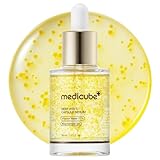


Related: best Korean skincare sets.
🛒 Best Price Today on Amazon
Prime members get fast, free shipping on everything above, plus member-only deals. New members get a 30-day free trial — cancel anytime.
What Is Vitamin C?
Vitamin C (most potent as L-ascorbic acid) is a strong antioxidant that neutralizes free radicals from sun and pollution. Its standout benefits are brightening dull skin, fading dark spots and post-acne marks, and supporting collagen production for firmer-looking skin. Because it shines as a daytime antioxidant shield, it’s typically used in the morning, where it can boost the protection your sunscreen provides.
The catch is that vitamin C can be finicky. Pure L-ascorbic acid is unstable, oxidizes when exposed to air and light, and can sting sensitive skin at higher concentrations. Gentler derivatives like sodium ascorbyl phosphate or magnesium ascorbyl phosphate trade some potency for better tolerability.
What Is Niacinamide?
Niacinamide, a form of vitamin B3, is one of the most versatile and well-tolerated ingredients in skincare. It strengthens the skin barrier, regulates oil production, minimizes the look of enlarged pores, calms redness, and helps fade hyperpigmentation over time. Unlike vitamin C, it’s stable, non-irritating for most people, and works at any time of day.
If vitamin C is the specialist, niacinamide is the reliable generalist that plays well with nearly every other ingredient and skin type—including sensitive and acne-prone skin.
Niacinamide vs Vitamin C: Side-by-Side
| Feature | Vitamin C | Niacinamide |
|---|---|---|
| Main benefit | Brightening, antioxidant protection, collagen support | Barrier repair, oil control, pore appearance, calming |
| Best time of day | Morning | Morning or night |
| Skin types | Most, but can irritate sensitive skin | All, including sensitive and oily |
| Stability | Can oxidize easily (L-ascorbic acid) | Very stable |
| Typical strength | 10–20% | 2–10% |
| Targets dark spots? | Yes, quite effectively | Yes, more gradually |
| Helps with redness? | Less so | Yes |
Can You Use Them Together?
Yes. An older concern claimed that mixing niacinamide and vitamin C cancels each other out or causes flushing. That myth came from decades-old lab studies using unstable, heated raw forms—not the stabilized formulas in modern products. Today’s research and dermatologist consensus support using them together safely.
You have two practical options:
- Layer them in the same routine: Apply your vitamin C serum first, let it absorb for a minute, then follow with niacinamide. Many serums even combine both ingredients in one bottle.
- Split them by time of day: Use vitamin C in the morning for antioxidant defense and niacinamide at night, or vice versa. This is a good approach if your skin is sensitive and you want to ease in slowly.
Which Should You Choose First?
If you’re only ready to add one active to your routine, let your main concern guide you:
- Choose vitamin C if your priorities are brightening dull skin, fading sun-related dark spots, and adding daytime antioxidant protection.
- Choose niacinamide if you have oily, acne-prone, or sensitive skin, visible pores, redness, or a compromised barrier, and you want a low-risk, easy-to-tolerate ingredient.
For most beginners and anyone with reactive skin, niacinamide is the gentler entry point. Once your barrier is comfortable, you can introduce vitamin C. Pairing either active with a supportive moisturizer matters—our picks for the best gentle face moisturizer for sensitive skin work well alongside both.
How to Add Them to Your Routine
Whichever you start with, introduce it slowly. Begin every other day, monitor for irritation, and build up to daily use. Always follow daytime actives with sunscreen—vitamin C in particular pairs beautifully with SPF, since both fight UV-related damage. If you have sensitive skin, a mineral formula like those in our best mineral sunscreen for adults roundup is a comfortable match.
A simple way to use both:
- AM: Cleanse → Vitamin C serum → Moisturizer → Sunscreen
- PM: Cleanse → Niacinamide serum → Moisturizer
Niacinamide’s barrier-strengthening qualities also make it a great companion to richer creams. If your skin trends dry, layer it under a K-beauty moisturizer for sensitive skin at night.
A Note on Concentrations
More isn’t always better. Vitamin C around 10–15% delivers solid results for most people without excessive stinging, while higher percentages can irritate. Niacinamide is well tolerated up to about 10%, but some people find concentrations above 5% drying or tingly. Start lower, see how your skin responds, and adjust. If you’re targeting fine lines specifically, both ingredients support collagen and pair nicely with an anti-wrinkle moisturizer for sensitive skin.
How They Work With Other Ingredients
Part of what makes these two actives so popular is how well they cooperate with the rest of your routine—though they have different temperaments. Niacinamide is famously easygoing: it layers comfortably with hyaluronic acid, peptides, retinol, and acids without much fuss, which is why it shows up in so many formulas. Vitamin C is a bit more particular. It pairs beautifully with sunscreen and vitamin E (which can boost its stability and effect), but it’s best kept separate from strong retinoids and high-strength acids, which can increase irritation when stacked together.
A practical takeaway: if you’re building a routine with several actives, niacinamide is the easy “connector” ingredient you can use almost anywhere, while vitamin C deserves its own protected spot, usually in the morning.
Storage and Shelf Life
Vitamin C’s instability isn’t just a buzzword—it affects how you store and use the product. Pure L-ascorbic acid degrades when exposed to air, light, and heat, gradually turning yellow or brown as it oxidizes. An oxidized vitamin C serum loses potency and, in some cases, can even contribute to irritation. To get your money’s worth, store it in a cool, dark place, keep the cap tightly sealed, and choose opaque or air-restrictive packaging. Most vitamin C serums are best used within a few months of opening.
Niacinamide is far more forgiving. It’s stable at room temperature, doesn’t oxidize easily, and tends to have a longer usable life, making it a low-maintenance choice for people who don’t want to fuss over storage.
Top-Rated Picks


| Product | Brand | Rating | Reviews | Price |
|---|---|---|---|---|
| CeraVe Moisturizing Cream, Body and Face Moisturizer … | CeraVe | ★ 4.7 | 144.3k | under $20 |
| Bio-Oil Skincare Body Oil Serum for Scars and Stretch… | Bio-Oil | ★ 4.6 | 178.2k | under $30 |
| THAYERS Alcohol-Free, Hydrating Cucumber Witch Hazel … | — | ★ 4.7 | 134.6k | under $20 |
| THAYERS Alcohol-Free, Hydrating, Unscented Witch Haze… | — | ★ 4.7 | 134.6k | under $20 |
| THAYERS Alcohol-Free Rose Petal Witch Hazel Facial To… | — | ★ 4.7 | 134.6k | under $20 |
Frequently Asked Questions
Can I use niacinamide and vitamin C at the same time?
Yes. The old warning against mixing them is based on outdated lab conditions, not modern formulas. You can layer them in one routine (vitamin C first, then niacinamide) or split them between morning and night.
Which is better for acne-prone skin?
Niacinamide is usually the better fit. It regulates oil, calms inflammation, and minimizes the appearance of pores while being gentle enough for daily use on acne-prone skin.
Which one brightens dark spots faster?
Vitamin C tends to fade dark spots more quickly thanks to its strong effect on melanin production. Niacinamide also helps, but works more gradually. Using both can give the most complete results.
Should I use vitamin C in the morning or at night?
Morning is ideal. As an antioxidant, vitamin C helps defend against daytime free-radical damage and complements your sunscreen. You can use niacinamide at either time.
Will niacinamide make my skin purge?
Niacinamide doesn’t typically cause purging because it doesn’t speed up cell turnover the way retinoids or acids do. If you notice irritation, it’s more likely a concentration that’s too high—try a lower percentage.
Realistic Timelines for Results
Both ingredients reward patience. With vitamin C, you may notice a subtle brightness and more even tone within four to eight weeks of consistent morning use, while deeper dark spots can take several months to fade. Niacinamide works gradually too: oil control and a calmer complexion often appear within a few weeks, but visible improvements in pore appearance and pigmentation usually take eight to twelve weeks. The temptation to give up early or constantly switch products is the biggest obstacle to results. Pick your active, use it consistently, protect your skin with daily sunscreen, and give it a full two to three months before judging whether it’s working for you.
Final Thoughts
In the niacinamide vs vitamin C question, the smartest answer is often “both.” Vitamin C brightens and protects; niacinamide strengthens and calms. Start with whichever addresses your top concern, introduce it slowly, and always pair daytime actives with sunscreen. Patch-test before committing, and see a board-certified dermatologist if you have persistent pigmentation, acne, or irritation that products alone aren’t resolving.