Last updated: October 4, 2026
⚡ Key Takeaways
- Dark spots form when melanocytes, the cells that produce pigment, go into overdrive.
- No single ingredient is a magic eraser, but several have strong evidence behind them.
- The trick is layering complementary ingredients without overwhelming your skin.
- Sun exposure re-darkens spots faster than any serum can lighten them.
If you’ve been staring at stubborn dark spots in the mirror and wondering whether they’ll ever fade, you’re not alone. Learning how to get rid of dark spots is one of the most common skincare goals, and the good news is that consistent care with the right ingredients can make a real, visible difference over time. Dark spots, also called hyperpigmentation, happen when your skin produces extra melanin in concentrated areas. While they’re usually harmless, they can be frustrating because they tend to fade slowly. This guide walks you through what causes them, which ingredients actually work, and how to build a routine that fades discoloration without irritating your skin.
As an Amazon Associate we earn from qualifying purchases at no extra cost to you.


🛒 Best Price Today on Amazon
Prime members get fast, free shipping on everything above, plus member-only deals. New members get a 30-day free trial — cancel anytime.
What Causes Dark Spots in the First Place?
Dark spots form when melanocytes, the cells that produce pigment, go into overdrive. Several triggers can set this off, and understanding yours helps you choose the right approach.
- Sun exposure: UV rays are the single biggest driver of pigmentation. They stimulate melanin as a protective response, which is why spots often appear on the cheeks, forehead, and backs of the hands.
- Post-inflammatory hyperpigmentation (PIH): After a pimple, cut, or irritation heals, it can leave behind a flat brown or dark mark. This is extremely common in acne-prone and deeper skin tones.
- Hormonal changes: Melasma, often linked to pregnancy or birth control, produces larger patches of pigment that can be harder to treat.
- Aging: So-called “age spots” or “sun spots” accumulate from years of cumulative UV exposure.
The Most Effective Ingredients for Fading Pigmentation
No single ingredient is a magic eraser, but several have strong evidence behind them. Most work either by slowing melanin production or by speeding up cell turnover so pigmented cells shed faster.
| Ingredient | How It Works | Best For | Typical Strength |
|---|---|---|---|
| Vitamin C | Antioxidant that inhibits melanin and brightens | General dullness, prevention | 10–20% |
| Niacinamide | Blocks pigment transfer to skin surface | PIH, redness, sensitive skin | 2–10% |
| Alpha arbutin | Gentle melanin inhibitor | All spot types, sensitive skin | 1–2% |
| Azelaic acid | Targets pigment and calms inflammation | Acne-related dark spots | 10–20% |
| Retinoids | Boost cell turnover | Sun spots, texture, fine lines | 0.025–1% |
| AHAs (glycolic, lactic) | Exfoliate pigmented surface cells | Surface-level discoloration | 5–10% |
Building a Dark Spot Routine That Works
The trick is layering complementary ingredients without overwhelming your skin. Here’s a simple framework.
Morning: Cleanse, apply a vitamin C serum, follow with a lightweight moisturizer, and finish with sunscreen. Vitamin C and SPF work together to both fade existing spots and prevent new ones.
Evening: Cleanse, apply a treatment like a retinoid or azelaic acid a few nights a week, and seal everything in with a nourishing moisturizer. On nights you’re not using actives, keep it simple with a hydrating, barrier-supporting moisturizer such as a gentle face moisturizer for sensitive skin.
Introduce one new active at a time and wait two to three weeks before adding another. This helps you spot any irritation and know what’s actually working.
Why Sunscreen Is Non-Negotiable
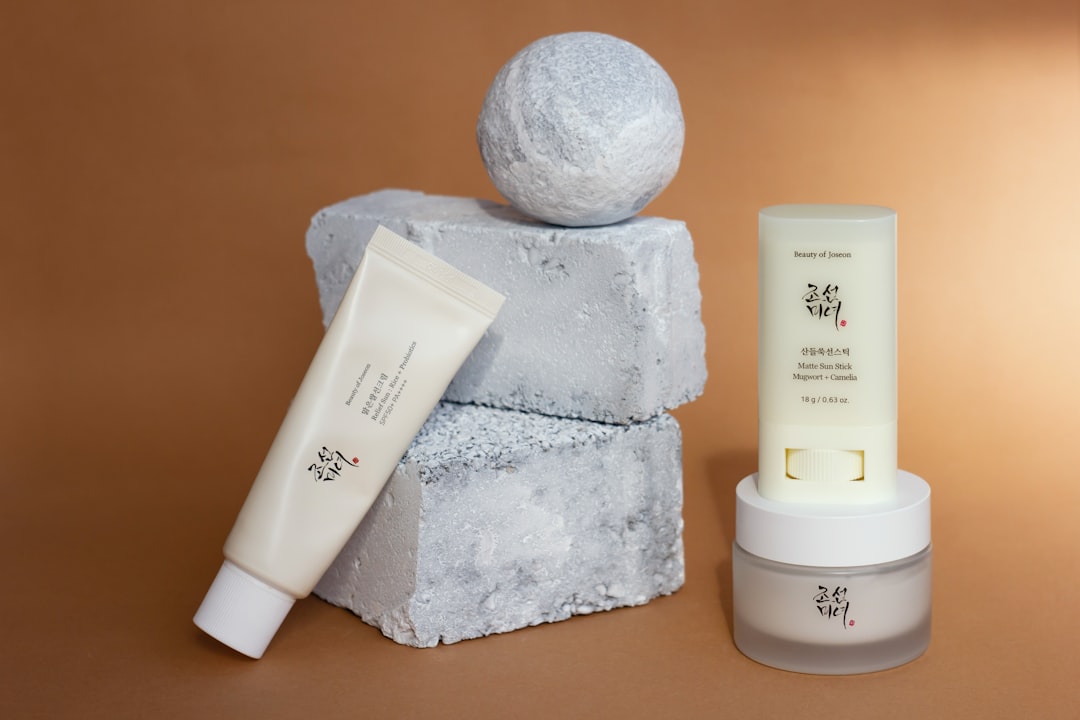
Here’s the part people skip: even the best fading ingredients are working against you if you’re not protecting your skin from UV every day. Sun exposure re-darkens spots faster than any serum can lighten them. A broad-spectrum SPF 30 or higher, applied every morning and reapplied throughout the day, is the foundation of any pigmentation routine. Mineral formulas containing zinc oxide or titanium dioxide are a great choice for sensitive or reactive skin, and you can explore options in our guide to the best mineral sunscreen for adults. Without daily protection, expect months of effort to stall.
How Long Until You See Results?
Patience is essential. Surface-level discoloration may start fading within four to six weeks, but deeper or older pigmentation can take three to six months of consistent care. Melasma in particular is stubborn and prone to returning, so it often requires ongoing maintenance rather than a one-time fix. Track progress with monthly photos in the same lighting, since day-to-day changes are too subtle to notice in the mirror.
Gentle Habits That Speed Things Up
Beyond actives, a few supportive habits make a real difference. Avoid picking at blemishes, which deepens and prolongs PIH. Keep your skin barrier healthy with consistent moisturizing, especially if you’re using exfoliating acids or retinoids. A compromised barrier inflames the skin and can actually worsen pigmentation. Pairing your treatments with a soothing K-beauty moisturizer for sensitive skin helps offset the dryness that potent ingredients can cause.
Layering Brighteners the Smart Way
Once you understand the individual ingredients, the next step is combining them thoughtfully so they reinforce rather than fight each other. A reliable structure is to use an antioxidant brightener in the morning and a turnover-boosting active at night. For example, vitamin C in the morning shields against UV-induced pigment while gradually fading existing spots, and a retinoid or azelaic acid at night accelerates the shedding of pigmented cells. Niacinamide is the great connector here, because it’s gentle enough to sit comfortably in either routine and pairs well with almost everything. The mistake to avoid is stacking three or four potent actives in the same step, which overwhelms the skin and can trigger the very inflammation that causes more pigmentation. Think of brightening as a marathon of small, consistent steps rather than a sprint of aggressive treatments.
It also helps to alternate rather than pile on. If your skin is on the sensitive side, try azelaic acid on Monday and Thursday, a retinoid on Tuesday and Friday, and pure hydration on the nights in between. This gives your barrier time to recover while still delivering steady results. Keeping a simple written schedule for the first month removes the guesswork and helps you notice which combinations your skin loves and which it doesn’t.
Targeting Different Types of Discoloration
Not all dark spots are the same, and matching your approach to the type of pigmentation speeds things up. Sun-induced spots, which tend to be well-defined and appear on areas of frequent exposure, respond best to a combination of antioxidants, retinoids, and rigorous sun protection. Post-inflammatory marks left behind by acne fade fastest when you also keep active breakouts under control, since new blemishes simply create new marks. Melasma, the larger patchy pigmentation often linked to hormones, is the most stubborn and requires the gentlest, most consistent approach, because aggressive treatment can paradoxically make it worse. Recognizing which category your spots fall into lets you set realistic expectations and avoid wasting effort on the wrong strategy.
When to See a Professional
If over-the-counter products aren’t cutting it after a few months, or if you have widespread melasma, a dermatologist can offer stronger prescription options, chemical peels, or laser treatments tailored to your skin tone and spot type. Professional treatment is especially worth considering for deeper skin tones, where the wrong approach can sometimes trigger more pigmentation.
Top-Rated Picks


| Product | Brand | Rating | Reviews | Price |
|---|---|---|---|---|
| CeraVe Moisturizing Cream, Body and Face Moisturizer … | CeraVe | ★ 4.7 | 144.3k | under $20 |
| Bio-Oil Skincare Body Oil Serum for Scars and Stretch… | Bio-Oil | ★ 4.6 | 178.2k | under $30 |
| THAYERS Alcohol-Free, Hydrating Cucumber Witch Hazel … | — | ★ 4.7 | 134.6k | under $20 |
| THAYERS Alcohol-Free, Hydrating, Unscented Witch Haze… | — | ★ 4.7 | 134.6k | under $20 |
| THAYERS Alcohol-Free Rose Petal Witch Hazel Facial To… | — | ★ 4.7 | 134.6k | under $20 |
Frequently Asked Questions
Can dark spots go away on their own? Some post-inflammatory marks fade naturally over many months, but sun spots and melasma usually need active treatment and daily sun protection to improve.
Is vitamin C or niacinamide better for dark spots? Both help and can be used together. Vitamin C is a stronger brightener, while niacinamide is gentler and especially good for sensitive or acne-prone skin.
Can I use multiple brightening products at once? Yes, but introduce them gradually. Overloading your skin with too many actives at once can cause irritation, which ironically can lead to more pigmentation.
Does exfoliating help fade dark spots? Gentle exfoliation with AHAs can help shed pigmented surface cells, but over-exfoliating damages the barrier and can backfire. Stick to two or three times a week.
Should I patch test brightening serums? Always. Apply a small amount to your inner forearm or jawline for a few days before using it on your whole face to check for irritation.
Final Thoughts
Fading dark spots comes down to a consistent, patient routine built around proven ingredients and daily sun protection. Choose one or two brightening actives, support your skin barrier with a good moisturizer, and never skip SPF. With time and consistency, most dark spots will visibly lighten. If progress stalls, a dermatologist can help you find a personalized plan. As always, patch test new products and consult a professional for persistent or concerning skin changes.