Last updated: October 4, 2026
⚡ Key Takeaways
- The most important distinction in fading acne marks is between pigmentation and actual scarring.
- The good news is that flat discoloration, which is what most people call acne scars, responds well to topical care.
- Indented or raised scars are a different challenge.
- UV exposure darkens pigmentation and prolongs redness, undoing weeks of progress.
Few skincare frustrations linger quite like the marks left behind after breakouts clear, which is why so many people want to know how to fade acne scars and reclaim smooth, even skin. The first thing to understand is that “acne scars” can mean two very different things, and the right approach depends entirely on which type you have. Some marks are flat discoloration that fades with the right ingredients, while true textural scars require different strategies. This guide explains the types, the treatments that actually work, and realistic expectations so you can build an effective plan.
As an Amazon Associate we earn from qualifying purchases at no extra cost to you.


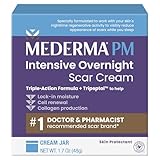


🛒 Best Price Today on Amazon
Prime members get fast, free shipping on everything above, plus member-only deals. New members get a 30-day free trial — cancel anytime.
Discoloration vs. True Scars
The most important distinction in fading acne marks is between pigmentation and actual scarring. Confusing the two leads to wasted effort, so let’s clarify.
- Post-inflammatory hyperpigmentation (PIH): Flat brown, black, or purple marks left after a pimple heals. Common in medium to deep skin tones. These are technically not scars and usually fade over time.
- Post-inflammatory erythema (PIE): Flat red or pink marks, more common in lighter skin tones, caused by damaged blood vessels. Also not true scars and tends to fade gradually.
- Atrophic scars: Indented or pitted scars (like icepick, boxcar, or rolling scars) caused by collagen loss. These are true textural scars.
- Hypertrophic or keloid scars: Raised scars from excess collagen, more common on the body.
Fading Flat Marks (PIH and PIE)
The good news is that flat discoloration, which is what most people call acne scars, responds well to topical care. For brown pigmentation, brightening ingredients are your allies. For red marks, ingredients that support healing and reduce inflammation help most.
| Ingredient | Best For | How It Helps |
|---|---|---|
| Vitamin C | Brown marks (PIH) | Brightens and evens tone |
| Niacinamide | Both PIH and PIE | Calms and reduces pigment |
| Azelaic acid | Brown marks, redness | Fades pigment, soothes |
| Retinoids | Both types, texture | Speeds turnover, boosts collagen |
| Alpha arbutin | Brown marks | Gently inhibits melanin |
| AHAs | Surface discoloration | Exfoliate pigmented cells |
Combining a brightening serum in the morning with a retinoid at night is a popular, effective strategy. Always buffer these actives with a hydrating gentle face moisturizer for sensitive skin to prevent irritation.
Treating True Textural Scars
Indented or raised scars are a different challenge. Topical products alone rarely fully resolve them because they involve structural changes in the skin. Retinoids can help mild texture over time by stimulating collagen, but deeper atrophic scars usually require professional treatments. These include microneedling, which prompts collagen production, chemical peels, laser resurfacing, and in some cases dermal fillers for indented scars. A dermatologist can assess your specific scar type and recommend the most appropriate procedure.
Why Sun Protection Is Critical for Scars
This step is non-negotiable when fading any kind of mark. UV exposure darkens pigmentation and prolongs redness, undoing weeks of progress. Both PIH and PIE worsen with sun exposure, so daily broad-spectrum sunscreen is the foundation of any scar-fading routine. Apply it every morning and reapply throughout the day. A mineral formula is gentle on healing, sensitive skin, and you can browse options in our guide to the best mineral sunscreen for adults. Without diligent sun protection, even the best treatments will underperform.
Prevention: Stop Scars Before They Start
The best way to deal with acne scars is to minimize them in the first place. Treating active acne promptly and gently reduces the inflammation that leads to marks. Most importantly, avoid picking, squeezing, or popping pimples. This is the single biggest cause of preventable scarring and prolonged discoloration. Keep your skin barrier healthy with consistent moisturizing, since inflamed, compromised skin scars more easily. For sensitive, breakout-prone skin, a soothing K-beauty moisturizer for sensitive skin supports healing without clogging pores.
How to Tell Which Type of Mark You Have
Because the right treatment depends entirely on the type of mark, learning to identify yours is the most useful skill you can develop. A simple test is to stretch the skin gently around the mark and observe what happens. If the mark stays flat and doesn’t change with the light, it’s almost certainly discoloration, either brown pigmentation or red post-inflammatory erythema, and it will respond to topical treatments and time. If the mark casts a shadow, appears indented, or creates a visible dip or bump in the skin’s surface, it’s a true textural scar that involves changes in the skin’s structure. Color is another clue: brown or black marks point to pigmentation, while red or pink usually indicates lingering inflammation and dilated blood vessels. Taking a moment to assess this honestly saves you months of applying brightening serums to a scar that needs a completely different approach.
The Role of Gentle, Consistent Care
When it comes to fading marks, aggressive treatment often backfires. Piling on too many strong actives at once, scrubbing harshly, or over-exfoliating inflames the skin, and inflammation is precisely what creates and deepens marks in the first place. A calmer, more consistent approach almost always wins. Choose one or two targeted ingredients, use them regularly, and give your skin the support it needs to heal. Keeping your barrier strong with daily moisturizing is part of this, because healthy skin recovers faster and scars less. It also helps to resist the temptation to constantly try new products; switching every week prevents any single ingredient from doing its slow, steady work. Treat fading marks as a patient project rather than an emergency, and your skin will reward the gentleness.
Setting Realistic Expectations
Patience is essential. Flat discoloration can take several months to fade significantly, and deeper pigmentation even longer. True textural scars improve gradually and often need professional intervention for the best results. Track your progress with monthly photos in consistent lighting rather than scrutinizing daily, since changes are subtle day to day. Supporting overall skin health with an anti-wrinkle moisturizer for sensitive skin can also help maintain firmness and resilience as you treat scars.
Special Considerations for Deeper Skin Tones
Acne marks behave differently across skin tones, and this is worth understanding because it shapes the safest approach. Medium and deep skin tones are more prone to post-inflammatory hyperpigmentation, those stubborn brown marks left after a blemish heals, and they can also be more vulnerable to pigment changes from aggressive treatments. This means gentleness matters even more. Harsh exfoliation, overly strong actives, or procedures done without care can sometimes trigger more pigmentation rather than less. Ingredients like niacinamide, azelaic acid, and well-tolerated brighteners are often excellent choices because they fade marks while being relatively gentle. Diligent sun protection is absolutely essential, since UV exposure darkens existing pigmentation quickly. For deeper skin tones especially, consulting a dermatologist experienced with diverse skin before pursuing peels or laser treatments is a smart move, as the wrong procedure can do more harm than good. The overall principle is the same for everyone, but the margin for error is smaller, so patience and gentleness pay off.
Top-Rated Picks


| Product | Brand | Rating | Reviews | Price |
|---|---|---|---|---|
| CeraVe Moisturizing Cream, Body and Face Moisturizer … | CeraVe | ★ 4.7 | 144.3k | under $20 |
| Bio-Oil Skincare Body Oil Serum for Scars and Stretch… | Bio-Oil | ★ 4.6 | 178.2k | under $30 |
| THAYERS Alcohol-Free, Hydrating Cucumber Witch Hazel … | — | ★ 4.7 | 134.6k | under $20 |
| THAYERS Alcohol-Free, Hydrating, Unscented Witch Haze… | — | ★ 4.7 | 134.6k | under $20 |
| THAYERS Alcohol-Free Rose Petal Witch Hazel Facial To… | — | ★ 4.7 | 134.6k | under $20 |
Frequently Asked Questions
Do acne scars go away on their own? Flat marks (PIH and PIE) often fade gradually over months, especially with sun protection. True indented or raised scars usually need active treatment.
What’s the fastest way to fade dark acne marks? Consistent use of brightening ingredients like vitamin C and niacinamide, plus retinoids and daily sunscreen, gives the best results. There’s no overnight fix.
Can retinoids help acne scars? Yes. They speed cell turnover and stimulate collagen, helping both discoloration and mild texture over time.
When should I see a dermatologist for scars? If you have indented, pitted, or raised scars, or if topical treatments aren’t working after a few months, professional treatments are worth exploring.
Should I patch test scar-fading products? Yes. Test any new active on your inner arm for several days, and introduce one product at a time to monitor for irritation.
Final Thoughts
Fading acne scars starts with identifying whether you’re dealing with flat discoloration or true textural scarring. Flat marks respond well to brightening ingredients, retinoids, and diligent sun protection, while indented or raised scars often require professional treatment. Be patient, protect your skin from the sun daily, avoid picking, and support your barrier with moisturizer. Patch test new products, and consult a dermatologist for textural scars or persistent concerns.