Last updated: October 4, 2026
⚡ Key Takeaways
- Chemical exfoliants use acids to gently loosen and remove dead cells from the skin's surface, unlike physical scrubs that slough them off through friction.
- AHAs are water-soluble acids that work on the skin's surface.
- BHAs, primarily salicylic acid, are oil-soluble.
- The right acid depends on your skin type and goals.
Walk down any skincare aisle and you’ll see two acronyms everywhere, leaving many people confused about the AHA vs BHA debate and which exfoliant is right for them. Both are chemical exfoliants that dissolve the bonds holding dead skin cells together, revealing smoother, brighter skin underneath. But they work in different ways and suit different skin concerns. Understanding the distinction helps you choose the right one and avoid the irritation that comes from picking the wrong acid. This guide breaks down what each does, who should use them, and how to add them to your routine safely.
As an Amazon Associate we earn from qualifying purchases at no extra cost to you.

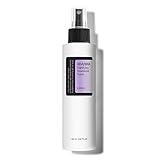
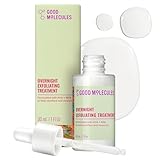


🛒 Best Price Today on Amazon
Prime members get fast, free shipping on everything above, plus member-only deals. New members get a 30-day free trial — cancel anytime.
What Are Chemical Exfoliants?
Chemical exfoliants use acids to gently loosen and remove dead cells from the skin’s surface, unlike physical scrubs that slough them off through friction. This process reveals fresher skin, improves texture, and helps other products absorb better. Chemical exfoliation is generally gentler and more even than scrubbing, which can cause micro-tears. The two main families are alpha hydroxy acids (AHAs) and beta hydroxy acids (BHAs), and each has a distinct personality.
AHAs: Water-Soluble Surface Exfoliants
AHAs are water-soluble acids that work on the skin’s surface. The most common are glycolic acid, derived from sugar cane, and lactic acid, derived from milk. Because they’re water-soluble, they primarily exfoliate the top layer of skin, making them excellent for surface concerns like dullness, dryness, uneven tone, and fine lines. Glycolic acid is the smallest molecule and penetrates most effectively, making it potent but potentially more irritating. Lactic acid is larger, gentler, and also hydrating, which makes it a good entry point for sensitive skin.
BHAs: Oil-Soluble Pore Exfoliants
BHAs, primarily salicylic acid, are oil-soluble. This is the crucial difference. Because they dissolve in oil, BHAs can penetrate into pores and clear out the sebum and debris trapped inside. This makes salicylic acid ideal for oily, acne-prone, and congested skin, as well as blackheads and whiteheads. BHAs also have anti-inflammatory properties, which can help calm the redness associated with breakouts. If your main concerns are clogged pores and blemishes, a BHA is usually the better choice.
AHA vs BHA: Side-by-Side Comparison
| Feature | AHA | BHA |
|---|---|---|
| Solubility | Water-soluble | Oil-soluble |
| Works on | Skin surface | Surface and inside pores |
| Best for | Dullness, dryness, tone, fine lines | Oily skin, acne, blackheads |
| Common acids | Glycolic, lactic, mandelic | Salicylic |
| Skin type | Normal to dry | Oily to combination |
| Bonus effect | Some hydration (lactic) | Anti-inflammatory |
Which One Should You Choose?
The right acid depends on your skin type and goals. If you have dry, sun-damaged, or dull skin and want to improve smoothness and radiance, reach for an AHA like glycolic or lactic acid. If you have oily or acne-prone skin, frequent breakouts, or blackheads, a BHA like salicylic acid will serve you better. Combination skin can sometimes benefit from both, using a BHA in oily areas and an AHA elsewhere, or alternating them on different days. Whichever you choose, always follow exfoliation with a hydrating, barrier-supporting product like a gentle face moisturizer for sensitive skin.
How to Use Acids Without Over-Exfoliating
The biggest mistake people make is overdoing it. Exfoliating too often or with too high a concentration damages the skin barrier, causing redness, stinging, flaking, and increased sensitivity. Start slowly, using your acid once or twice a week, and gradually increase as your skin tolerates it. Avoid layering multiple strong actives at once, and never combine high-strength acids with retinoids in the same step unless your skin is well-adjusted. Always wear sunscreen, since exfoliated skin is more sun-sensitive. Our guide to the best mineral sunscreen for adults can help you protect freshly exfoliated skin.
A Closer Look at the Most Common Acids
Within the AHA and BHA families, individual acids each have their own character, and knowing them helps you fine-tune your choice. Glycolic acid, the smallest AHA molecule, penetrates most effectively and is excellent for tackling dullness, sun damage, and texture, though it can be too strong for very sensitive skin. Lactic acid is larger and gentler, with a hydrating quality that makes it ideal for dry or beginner skin. Mandelic acid, an AHA derived from almonds, has an even larger molecule, which makes it especially gentle and a favorite for sensitive or deeper skin tones prone to irritation. On the BHA side, salicylic acid is the standout, prized for its ability to dissolve oil inside pores and calm inflammation, making it the go-to for acne and blackheads. Choosing the specific acid that matches your skin type and concern, rather than just grabbing any exfoliant, leads to better results with less irritation.
Chemical Exfoliation vs. Physical Scrubs
It’s worth addressing how AHAs and BHAs compare to the gritty scrubs many people grew up using. Physical scrubs remove dead cells through friction, which can feel satisfying but is hard to control and may cause tiny tears in the skin, especially with harsh particles. Chemical exfoliants, by contrast, work by gently dissolving the bonds between dead cells, offering a more even and controlled result. This is why many dermatologists favor well-formulated acids over abrasive scrubs for most people. That said, a gentle physical exfoliant used occasionally and carefully can have a place in some routines. The most important rule, regardless of method, is restraint: aggressive exfoliation of any kind damages the barrier. If you do enjoy a physical scrub, treat it as an occasional extra rather than a daily habit, and never combine it with acids in the same session.
Supporting Your Barrier While Exfoliating
Because acids can be drying, supporting your skin barrier is essential. Use a nourishing moisturizer on the nights you exfoliate and the day after. For sensitive skin types, a soothing K-beauty moisturizer for sensitive skin helps counteract dryness and keep the barrier resilient. If you notice persistent stinging, redness, or flaking, that’s a sign to scale back. Healthy exfoliation should leave your skin smooth and glowing, not raw or inflamed.
Fitting Acids Into a Complete Routine
Knowing which acid to use is only half the battle; fitting it sensibly into your overall routine is what makes it sustainable. Exfoliating acids are typically used at night, after cleansing and before moisturizer, on the days you’ve designated for them. On non-exfoliation nights, you simply skip the acid and focus on hydration and barrier support. It’s wise to avoid layering your acid with other strong actives like retinoids in the same session unless your skin is well-adjusted, since stacking potent ingredients raises the risk of irritation. Many people alternate, using an acid on some nights and a retinoid on others, which lets each ingredient work without overwhelming the skin. In the morning after exfoliating, sunscreen becomes even more important because freshly exfoliated skin is more sensitive to UV. Treating your acid as one deliberate step within a balanced routine, rather than something to pile on top of everything else, keeps your skin smooth and healthy rather than red and reactive.
Top-Rated Picks


| Product | Brand | Rating | Reviews | Price |
|---|---|---|---|---|
| CeraVe Moisturizing Cream, Body and Face Moisturizer … | CeraVe | ★ 4.7 | 144.3k | under $20 |
| Bio-Oil Skincare Body Oil Serum for Scars and Stretch… | Bio-Oil | ★ 4.6 | 178.2k | under $30 |
| THAYERS Alcohol-Free, Hydrating Cucumber Witch Hazel … | — | ★ 4.7 | 134.6k | under $20 |
| THAYERS Alcohol-Free, Hydrating, Unscented Witch Haze… | — | ★ 4.7 | 134.6k | under $20 |
| THAYERS Alcohol-Free Rose Petal Witch Hazel Facial To… | — | ★ 4.7 | 134.6k | under $20 |
Frequently Asked Questions
Can I use AHA and BHA together? Yes, but cautiously. Some products combine them, and they can be effective, but using both at full strength too often risks over-exfoliation. Start slow.
How often should I exfoliate with acids? Begin once or twice a week and increase gradually. Most people do well with two to three times weekly, depending on skin type and acid strength.
Which acid is best for blackheads? Salicylic acid (a BHA) is the top choice because it penetrates and clears oil-filled pores.
Are these acids safe for sensitive skin? Lactic acid and mandelic acid (AHAs) tend to be gentler. Always patch test and start with low concentrations.
Do I need to patch test acids? Absolutely. Test on your inner arm for a few days, and introduce one acid at a time to monitor how your skin responds.
Final Thoughts
AHAs and BHAs both deliver smoother, clearer skin, but they suit different needs. Choose AHAs for surface concerns like dullness and dryness, and BHAs for oily, acne-prone, and congested skin. Start slowly, support your barrier with moisturizer, never skip sunscreen, and patch test before diving in. With the right acid used responsibly, you can achieve noticeably smoother, brighter skin. If you experience persistent irritation or have specific concerns, consult a dermatologist for personalized advice.