Last updated: October 4, 2026
⚡ Key Takeaways
As an Amazon Associate we earn from qualifying purchases at no extra cost to you.




Get instant results in seconds — no signup.
- Before you buy a single serum, master the foundation.
- Choosing the right products starts with understanding your skin.
- Once you know your skin type, plug your products into this simple framework:
- After a few weeks of consistent basics, you can introduce targeted treatments—but only one at a time.
Walking into skincare as a beginner can feel like learning a new language—essences, actives, occlusives, and a hundred products promising miracles. But learning how to build a skincare routine is far simpler than the marketing suggests. At its core, an effective routine rests on just three pillars: cleanse, moisturize, and protect. Everything else is an optional upgrade you add once the basics are working. This beginner’s guide walks you through the essential steps, how to identify your skin type, when to introduce treatment ingredients, and how to avoid the most common rookie mistakes.
Related: best Korean skincare sets.
🛒 Best Price Today on Amazon
Prime members get fast, free shipping on everything above, plus member-only deals. New members get a 30-day free trial — cancel anytime.
Start With the Three Essentials
Before you buy a single serum, master the foundation. These three steps deliver most of the benefits with the least risk of irritation:
- Cleanser: Removes dirt, oil, and buildup so your skin starts fresh.
- Moisturizer: Hydrates and supports your skin barrier so it stays healthy and resilient.
- Sunscreen (AM): Protects against UV damage, the leading cause of premature aging and dark spots.
If you do nothing else, doing these three consistently will improve your skin more than a cabinet full of products used haphazardly.
Know Your Skin Type First
Choosing the right products starts with understanding your skin. Here’s a quick reference:
| Skin type | How it feels | What to look for |
|---|---|---|
| Oily | Shiny, prone to breakouts, larger pores | Gel cleansers, oil-free moisturizers |
| Dry | Tight, flaky, rough | Creamy cleansers, rich moisturizers |
| Combination | Oily T-zone, drier cheeks | Balanced, lightweight products |
| Sensitive | Reactive, easily irritated, redness | Fragrance-free, minimal ingredients |
| Normal | Balanced, few concerns | Most gentle products work well |
Not sure which you are? A simple at-home test—wash your face, wait an hour, and observe how it feels—can point you in the right direction.
Your Basic Morning and Night Routine
Once you know your skin type, plug your products into this simple framework:
- Morning: Cleanser → Moisturizer → Sunscreen
- Night: Cleanser → Moisturizer
That’s a complete, effective routine. Notice that sunscreen only appears in the morning, since it’s your daytime shield against UV. For sensitive or reactive skin, choosing the right moisturizer is the most important decision—our best gentle face moisturizer for sensitive skin roundup is a great starting point.
When and How to Add Treatments
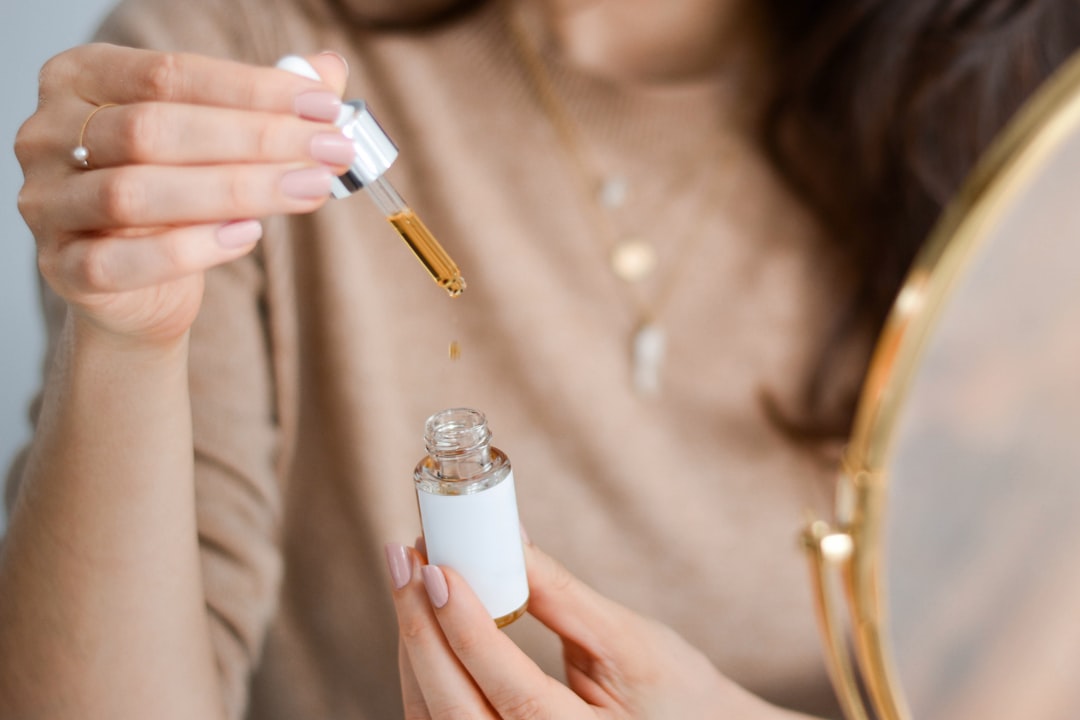
After a few weeks of consistent basics, you can introduce targeted treatments—but only one at a time. This patience pays off: if something irritates your skin, you’ll know exactly which product caused it.
Good first additions, depending on your goals:
- Brightening or dullness: A vitamin C serum in the morning.
- Anti-aging or texture: A low-strength retinol at night, used a couple of times a week to start.
- Oil control or redness: A niacinamide serum, which is gentle and versatile.
- Hydration: A hyaluronic acid serum applied to damp skin.
Wait two to three weeks between new products so your skin can adjust. Layer treatments after cleansing and before moisturizer, going from thinnest to thickest texture.
The Importance of Sunscreen
If there’s one step beginners underestimate, it’s sun protection. Daily UV exposure causes the majority of visible skin aging and can darken acne marks and pigmentation. A broad-spectrum SPF 30 or higher, worn every day, protects all the work your other products are doing. Mineral sunscreens are a gentle, reliable choice—especially for sensitive skin—and our best mineral sunscreen for adults guide can help you find one you’ll actually enjoy wearing.
Common Beginner Mistakes
Avoid these and you’ll be ahead of most newcomers:
- Trying too much too fast: Adding five new products at once overwhelms your skin and hides what’s working.
- Skipping sunscreen: The single most common and most consequential mistake.
- Over-exfoliating: Daily scrubs and acids damage the barrier. Two to three times a week is plenty.
- Chasing trends: A viral product isn’t right for everyone. Match products to your skin type.
- Giving up too soon: Most actives take 6–12 weeks to show results. Consistency wins.
Building for Specific Goals
As you grow more comfortable, you can tailor your routine. For anti-aging, a retinol plus a supportive cream like an anti-wrinkle moisturizer for sensitive skin is a strong duo. If you love rich textures and barrier-focused hydration, K-beauty formulas are worth exploring—see our picks for the best K-beauty moisturizer for sensitive skin. The key is to add intentionally, not impulsively.
How Much to Spend (and Where It Matters)
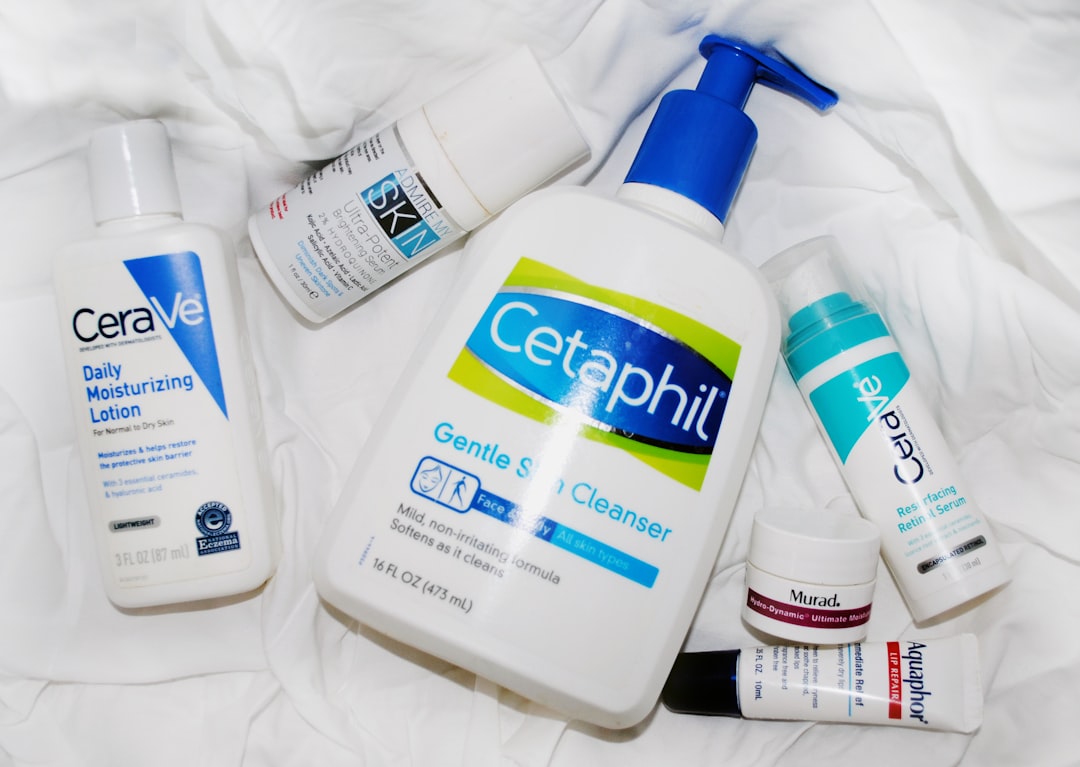
A common beginner worry is that good skincare requires an expensive shelf of products. It doesn’t. The most impactful steps—a gentle cleanser, a suitable moisturizer, and a daily sunscreen—are available at every price point, and drugstore versions are often excellent. Where a little extra investment can occasionally pay off is in treatment serums with well-formulated actives, but even there, price doesn’t guarantee quality. Build your foundation affordably, then spend selectively on one or two targeted products if you have a specific concern. Your consistency and the suitability of the formula matter far more than the price tag.
Reading Ingredient Labels Without Overwhelm
You don’t need to memorize chemistry to make smart choices. A few simple habits go a long way:
- Look for “non-comedogenic” if you’re acne-prone—it means the product is formulated to avoid clogging pores.
- Watch for fragrance if your skin is sensitive; “fragrance” or “parfum” high on the list can be irritating.
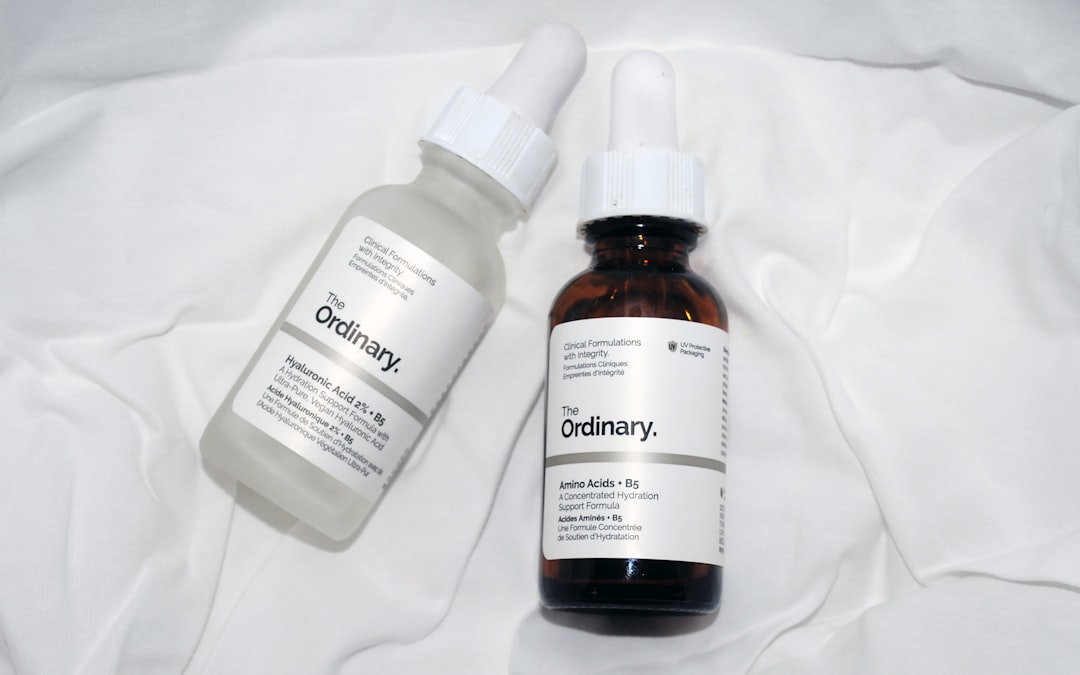
- Recognize a few hero ingredients: hyaluronic acid and glycerin for hydration, niacinamide for oil and redness, ceramides for the barrier.
- Ignore marketing buzzwords like “detox” or “chemical-free”—they have no scientific meaning.
Over time, you’ll start recognizing the ingredients that suit your skin, which makes shopping far less intimidating.
Tracking Your Progress
Because skin changes slowly, it’s hard to notice improvement day to day. Take a clear, well-lit photo of your bare face every couple of weeks under similar lighting. This gives you an honest record of progress that the bathroom mirror can’t, and it helps you decide whether a product is genuinely working before you give up on it. Most routines need a few months to show their full effect, so patience and a little documentation go a long way.
Top-Rated Picks


| Product | Brand | Rating | Reviews | Price |
|---|---|---|---|---|
| CeraVe Moisturizing Cream, Body and Face Moisturizer … | CeraVe | ★ 4.7 | 144.3k | under $20 |
| Bio-Oil Skincare Body Oil Serum for Scars and Stretch… | Bio-Oil | ★ 4.6 | 178.2k | under $30 |
| THAYERS Alcohol-Free, Hydrating Cucumber Witch Hazel … | — | ★ 4.7 | 134.6k | under $20 |
| THAYERS Alcohol-Free, Hydrating, Unscented Witch Haze… | — | ★ 4.7 | 134.6k | under $20 |
| THAYERS Alcohol-Free Rose Petal Witch Hazel Facial To… | — | ★ 4.7 | 134.6k | under $20 |
Frequently Asked Questions
What are the essential steps for a beginner routine?
Just three: cleanse, moisturize, and apply sunscreen in the morning. These cover the fundamentals and improve your skin more than any single fancy serum. Add treatments later, once the basics are habit.
How long before I see results from a new routine?
Basic hydration and comfort improve within days, but treatment ingredients like retinol and vitamin C typically take 6 to 12 weeks of consistent use to show visible changes. Patience is essential.
Do I need a toner, essence, and serum?
Not as a beginner. These are optional upgrades. Start with cleanser, moisturizer, and sunscreen, then add extras one at a time only if you have a specific concern to address.
Should I use the same products morning and night?
Mostly, but with two key differences: sunscreen is morning-only, and certain actives like retinol belong at night. Your cleanser and moisturizer can stay the same across both routines.
How do I know if a product is irritating my skin?
Watch for persistent redness, stinging, burning, itching, or breakouts that don’t settle within a couple of weeks. Introduce one product at a time so you can pinpoint the culprit, and patch-test before applying to your whole face.
Building Habits That Stick
The hardest part of skincare isn’t choosing products—it’s doing them consistently. A routine only works if you actually follow it, so design yours to fit your real life. Keep your products visible near your sink, pair your routine with existing habits like brushing your teeth, and start small enough that it never feels like a chore. If a full evening routine feels daunting on tired nights, having a bare-minimum version (cleanse and moisturize) keeps you from skipping entirely. Over time, these steps become automatic, and that automaticity is what delivers results. A simple routine you do every single day will always outperform an elaborate one you manage twice a week, so prioritize sustainability over perfection as you build your skincare practice.
Final Thoughts
Building a skincare routine doesn’t require a shelf of products or an expert’s vocabulary. Start with cleanse, moisturize, and protect, learn your skin type, and add treatments slowly and intentionally. Consistency beats complexity every time. Patch-test new products, give actives time to work, and see a board-certified dermatologist for persistent acne, irritation, or any concern that products alone aren’t resolving.