Last updated: October 4, 2026
⚡ Key Takeaways
As an Amazon Associate we earn from qualifying purchases at no extra cost to you.


Get instant results in seconds — no signup.
- Your skin behaves differently around the clock.
- Your morning routine should shield your skin from the day ahead.
- At night, with no sun to protect against, you can focus on repair and renewal.
- Not everything is strictly day or night.
Ever wondered whether your skin really needs different products in the daytime versus at bedtime? The morning vs night skincare question is one of the most practical in all of skincare, and getting it right can dramatically improve your results. The short answer is yes, your morning and evening routines should serve different purposes. During the day your skin needs protection from environmental stressors, while at night it shifts into repair mode and can handle more active ingredients. Understanding this rhythm helps you use the right products at the right time. This guide explains the science and gives you a clear framework for both routines.
🛒 Best Price Today on Amazon
Prime members get fast, free shipping on everything above, plus member-only deals. New members get a 30-day free trial — cancel anytime.
Why Day and Night Routines Differ
Your skin behaves differently around the clock. During the day, it’s exposed to UV rays, pollution, and free radicals, so the priority is defense. At night, your skin enters a reparative phase. Blood flow to the skin increases, cell turnover speeds up, and the skin focuses on regeneration and repair. This is also when transepidermal water loss tends to be higher, meaning skin can dry out overnight. These natural cycles are the reason your two routines should have different goals: protect by day, repair and replenish by night.
The Goal of Your Morning Routine: Protection
Your morning routine should shield your skin from the day ahead. The star players are antioxidants and sunscreen. Antioxidants like vitamin C neutralize free radicals from UV and pollution, while sunscreen blocks the UV rays that cause aging, pigmentation, and damage. A typical morning routine looks like this:
- Gentle cleanse or a simple water rinse
- Antioxidant serum, such as vitamin C
- Lightweight, hydrating moisturizer
- Broad-spectrum sunscreen as the final step
Sunscreen is the most important morning product, full stop. You can explore protective options in our roundup of the best mineral sunscreen for adults.
The Goal of Your Night Routine: Repair
At night, with no sun to protect against, you can focus on repair and renewal. This is the ideal time for potent actives like retinoids, which boost cell turnover and collagen but can make skin sun-sensitive. It’s also when you can layer richer moisturizers to combat overnight water loss. A typical evening routine includes:
- Thorough cleanse to remove makeup, sunscreen, and grime (double cleansing if needed)
- Treatment actives like retinoids or exfoliating acids (a few nights a week)
- Hydrating serum
- A nourishing, richer moisturizer or night cream
A barrier-supporting cream like a dermatologist-recommended moisturizer for dry, sensitive skin works beautifully as the final overnight step.
Morning vs Night: Ingredient Cheat Sheet
| Ingredient | Best Time | Why |
|---|---|---|
| Vitamin C | Morning | Antioxidant protection, pairs with SPF |
| Sunscreen | Morning | Blocks daytime UV damage |
| Retinoids | Night | Repairs, sun-sensitizing |
| Exfoliating acids | Night | Renew without sun exposure |
| Hyaluronic acid | Both | Hydration any time of day |
| Niacinamide | Both | Versatile, well tolerated |
| Rich moisturizer | Night | Combats overnight water loss |
Ingredients That Work Anytime
Not everything is strictly day or night. Some workhorse ingredients fit both routines. Hyaluronic acid and glycerin hydrate at any hour. Niacinamide is gentle and versatile, fitting comfortably into either routine. A good moisturizer is essential morning and night, though you might choose a lighter formula by day and a richer one at night. For sensitive skin, a soothing K-beauty moisturizer for sensitive skin works well for both daytime and evening use.
Common Mistakes to Avoid
A few errors undermine even well-planned routines. The biggest is skipping morning sunscreen, which leaves your skin vulnerable and can negate the benefits of your other products. Another is using sun-sensitizing actives like retinoids in the morning, which increases irritation and sun damage risk. Some people also overload their routines with too many actives at once, leading to irritation; it’s better to keep mornings simple and reserve strong treatments for night. Finally, don’t neglect moisturizing at night, when your skin loses the most water.
Adapting Your Routines to Your Skin Type
The day-protect, night-repair framework is universal, but the specific products you choose should reflect your skin type. Oily and acne-prone skin often does well with a lightweight gel moisturizer and a BHA at night, while keeping mornings simple with an antioxidant and a non-greasy sunscreen. Dry skin benefits from a richer night cream and a more hydrating daytime moisturizer, with gentler, less frequent use of actives. Sensitive skin should lean on soothing, fragrance-free formulas in both routines and introduce any treatment slowly. Combination skin can mix and match, perhaps using a mattifying product on the oily T-zone and richer hydration on drier areas. The point is that morning and night routines aren’t one-size-fits-all; they’re a structure you customize. Once you understand the goals of each routine, choosing products becomes far easier because you know what job each step needs to do.
How to Transition Between Day and Night Care
A smooth transition between your two routines makes a real difference, especially at night. In the evening, the single most important step is thorough cleansing to remove the day’s sunscreen, makeup, oil, and pollution. Skipping this leaves a film that blocks your night products and can clog pores. If you wear heavy sunscreen or makeup, a gentle double cleanse, starting with an oil-based cleanser and following with a mild water-based one, ensures everything is removed without scrubbing. Once your skin is clean, it’s primed to absorb the reparative ingredients you apply at night. In the morning, the transition is about layering protection: every step should build toward that final sunscreen, which seals and shields everything underneath. Thinking of your routines as a daily cycle of removing, repairing, and protecting helps each step feel purposeful rather than arbitrary.
Keeping It Simple and Consistent
You don’t need a ten-step routine to see results. A solid morning routine can be as short as cleanse, antioxidant, moisturizer, and sunscreen. A solid night routine can be cleanse, treatment, and moisturizer. Consistency matters far more than complexity. Pick a few effective products, use them regularly, and your skin will thank you. For mature skin, adding an anti-wrinkle moisturizer for sensitive skin at night can support firmness over time.
Introducing New Products to Each Routine
Whether you’re adding a product to your morning or evening routine, the way you introduce it matters as much as the product itself. The golden rule is to add one new active at a time and give your skin a couple of weeks to adjust before introducing anything else. This applies especially to stronger ingredients like retinoids and exfoliating acids, which belong in your night routine and can cause irritation if rushed. Start with a low frequency, perhaps two nights a week, and build up gradually as your skin tolerates it. For your morning routine, the same caution applies to antioxidants, though they tend to be better tolerated. Introducing products slowly serves two purposes: it lets your skin acclimate without becoming inflamed, and it makes it easy to identify the culprit if something does cause a reaction. When you add five things at once and break out, you have no way of knowing which one is responsible. Patience here saves frustration later and helps both routines stay comfortable and effective.
Top-Rated Picks


| Product | Brand | Rating | Reviews | Price |
|---|---|---|---|---|
| RoC Retinol Correxion Night Cream for Deep Wrinkles, … | RoC®Skincare | ★ 4.4 | 23.9k | under $30 |
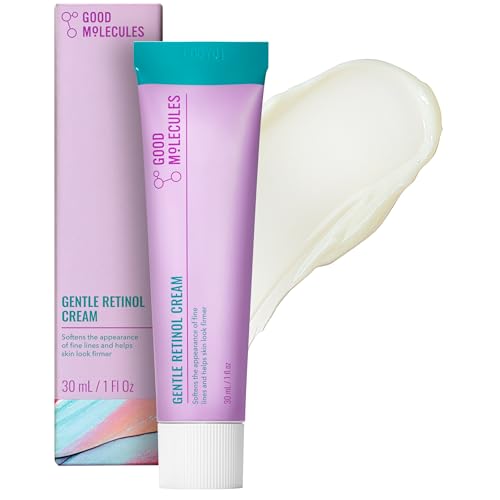
| Good Molecules Gentle Retinol Cream – Retinol Night C… | GoodMolecules | ★ 4.6 | 9.4k | under $10 |
| Cetaphil Night Moisturizer for Face, Hydrating Facial… | Cetaphil | ★ 4.6 | 1.1k | under $20 |
Frequently Asked Questions
Do I really need different products morning and night? The routines should serve different goals, but some products overlap. The key differences are sunscreen and antioxidants in the morning, and stronger treatments like retinoids at night.
Can I use the same moisturizer day and night? Yes, though many people prefer a lighter one for day and a richer one for night. A single good moisturizer can work for both if it suits your skin.
Why can’t I use retinol in the morning? Retinoids can make skin more sensitive to UV and may degrade in sunlight, so they’re best used at night for maximum benefit and minimum irritation.
Is sunscreen necessary if I stay indoors? UV rays can pass through windows, and daily protection is still recommended. At minimum, wear it on days you go outside.
Should I patch test new products? Yes. Introduce one product at a time and patch test on your inner arm, especially active ingredients like retinoids and acids.
Final Thoughts
Morning and night skincare serve complementary purposes: protect your skin from environmental damage by day, and support its natural repair process by night. Keep mornings focused on antioxidants and sunscreen, and reserve potent actives like retinoids for the evening. Use hydrating, versatile ingredients in both routines, stay consistent, and don’t overcomplicate things. Patch test new products, and consult a dermatologist if you have persistent concerns or sensitive skin that needs tailored guidance.