Last updated: October 4, 2026
⚡ Key Takeaways
- Dry skin happens when your skin loses water faster than it can replace it, often because the protective barrier is compromised.
- Effective dry-skin care relies on three categories of ingredients working together: humectants that attract water, emollients that smooth and soften, and occlusives that seal everything in.
- For dry skin, less manipulation and more nourishment is the rule.
- Cleansing is where many dry-skin sufferers go wrong.
When your skin feels tight, flaky, or rough no matter how much lotion you apply, building a thoughtful skincare for dry skin routine becomes essential. Dry skin isn’t just an occasional annoyance; for many people it’s a persistent condition driven by a weakened moisture barrier that struggles to hold onto water. The good news is that with the right ingredients and a gentle, consistent approach, you can restore comfort, smoothness, and a healthy glow. This guide explains what causes dryness, which ingredients truly help, and how to build a routine that keeps your skin hydrated all day.
As an Amazon Associate we earn from qualifying purchases at no extra cost to you.




🛒 Best Price Today on Amazon
Prime members get fast, free shipping on everything above, plus member-only deals. New members get a 30-day free trial — cancel anytime.
Understanding What Makes Skin Dry
Dry skin happens when your skin loses water faster than it can replace it, often because the protective barrier is compromised. This outer layer is made of skin cells and lipids that act like mortar between bricks, sealing moisture in. When that lipid layer is depleted, water escapes and irritants get in. Several factors contribute to this:
- Environment: Cold weather, low humidity, indoor heating, and air conditioning all pull moisture from the skin.
- Harsh cleansers: Stripping foaming washes can remove the natural oils your skin needs.
- Hot water: Long, hot showers feel great but dissolve protective lipids.
- Aging: Skin naturally produces fewer oils over time.
- Over-exfoliation: Too many acids or scrubs damage the barrier.
The Best Ingredients for Dry Skin
Effective dry-skin care relies on three categories of ingredients working together: humectants that attract water, emollients that smooth and soften, and occlusives that seal everything in.
| Category | What It Does | Examples |
|---|---|---|
| Humectants | Draw water into the skin | Hyaluronic acid, glycerin, urea |
| Emollients | Smooth and soften rough texture | Squalane, ceramides, fatty acids |
| Occlusives | Seal in moisture, prevent water loss | Shea butter, petrolatum, plant oils |
The most effective moisturizers combine all three. Ceramides deserve special mention because they help rebuild the barrier itself, addressing the root cause of dryness rather than just masking it.
A Simple Routine for Dry Skin
For dry skin, less manipulation and more nourishment is the rule. Here’s a straightforward structure.
Morning: Cleanse with a gentle, non-stripping cleanser or simply rinse with lukewarm water. Apply a hydrating serum on damp skin, follow with a rich moisturizer, and finish with sunscreen. A dermatologist-recommended moisturizer for dry, sensitive skin is an excellent foundation here.
Evening: Cleanse gently, apply your hydrating serum, and layer on a nourishing night cream or balm. If you use any actives like retinoids, buffer them with extra moisture and use them sparingly.
Cleansing Without Stripping Your Skin
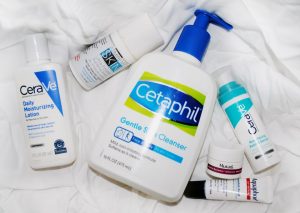
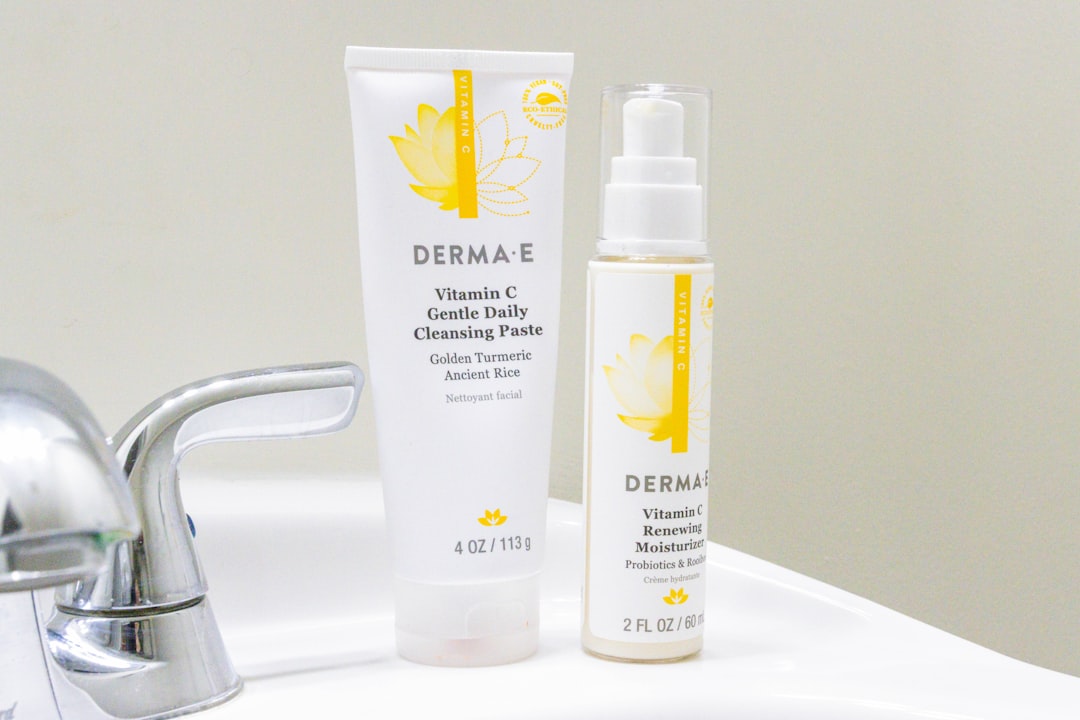
Cleansing is where many dry-skin sufferers go wrong. Harsh, squeaky-clean cleansers strip away the very oils your skin needs. Instead, choose cream, balm, or oil cleansers that remove impurities without disrupting the barrier. Use lukewarm rather than hot water, and avoid washing more than twice a day. If your skin feels tight immediately after cleansing, that’s a sign your cleanser is too harsh. A gentle option paired with a gentle face moisturizer for sensitive skin can dramatically improve comfort.
The Power of Layering on Damp Skin
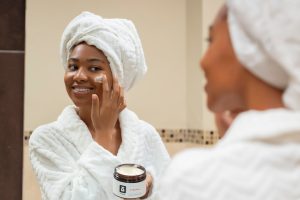
One of the simplest tricks for dry skin is to apply your hydrating products while your skin is still slightly damp. Damp skin absorbs humectants like hyaluronic acid more effectively, and sealing them with a moisturizer traps that extra water. This is especially helpful in winter or dry climates. Think of it as locking moisture in before it has a chance to evaporate. For deeply parched skin, you can even layer a hydrating serum, then a cream, then a thin occlusive balm at night, a technique sometimes called slugging.
Lifestyle Habits That Help Dry Skin
Skincare products do a lot, but daily habits matter too. Running a humidifier in dry environments adds moisture back to the air. Staying hydrated and eating healthy fats supports skin from within. Avoiding overly hot showers and harsh soaps protects your barrier. And choosing a soothing K-beauty moisturizer for sensitive skin for daily use can keep dryness and irritation at bay. Small consistent choices add up to noticeably more comfortable skin.
Adjusting Your Routine for the Seasons
Dry skin is rarely static; it tends to worsen in certain conditions, so a routine that works in summer may fall short in winter. As temperatures drop and indoor heating kicks in, the air loses humidity and your skin loses moisture faster. This is the time to switch to richer creams, add an extra occlusive layer at night, and possibly cut back on exfoliation, which can be too stripping in harsh weather. In warmer, more humid months, you may find you can lighten up your moisturizer and your skin feels more balanced. The key is to treat your routine as flexible rather than fixed. Pay attention to how your skin feels and respond accordingly: more nourishment when it’s tight and flaky, slightly lighter products when it’s comfortable. This seasonal awareness prevents both the discomfort of under-moisturizing in winter and the heaviness of over-moisturizing in summer.
Travel and air travel deserve a mention too, since dry cabin air and unfamiliar climates can leave dry skin feeling parched. Packing a richer moisturizer or a hydrating balm helps you adapt on the go and keeps your barrier protected when your environment changes.
Ingredients to Approach With Caution
While building a dry-skin routine, it’s just as important to know what to avoid. High concentrations of alcohol, often listed as denatured alcohol high on an ingredient list, can be very drying. Strong fragrances and essential oils are common irritants for compromised, dry skin and can trigger sensitivity. Harsh sulfate-based cleansers strip the barrier. Overusing potent exfoliating acids or retinoids without enough buffering moisture can leave dry skin flaky and inflamed. This doesn’t mean these actives are off-limits forever; it means introducing them slowly, in lower strengths, and always pairing them with generous hydration. When your barrier is already struggling, simplicity and gentleness almost always serve you better than a crowded routine of strong ingredients.
When Dryness Might Be Something More
Persistent, severe dryness with cracking, intense itching, redness, or scaling could indicate a condition like eczema or psoriasis rather than ordinary dry skin. If your skin doesn’t improve with consistent gentle care, or if it becomes painful or inflamed, it’s worth seeing a dermatologist. They can diagnose underlying conditions and recommend targeted treatments.
Building a Minimal but Effective Routine
One of the kindest things you can do for dry skin is to resist the urge to overcomplicate. A short, well-chosen routine usually outperforms a sprawling one packed with actives that stress an already fragile barrier. At its core, dry skin needs three things: gentle cleansing, meaningful hydration, and reliable sealing. A creamy cleanser, a humectant serum applied to damp skin, and a rich moisturizer cover the essentials beautifully, with sunscreen added each morning. From that stable base you can introduce extras slowly if you wish, but the foundation should always remain gentle and nourishing. Many people with chronically dry skin find that simplifying their routine, rather than adding more products, is what finally brings relief. When your barrier is healthy, it does much of the moisture-retaining work on its own, and you may need less intervention than you think.
Top-Rated Picks


| Product | Brand | Rating | Reviews | Price |
|---|---|---|---|---|
| CeraVe Moisturizing Cream, Body and Face Moisturizer … | CeraVe | ★ 4.7 | 144.3k | under $20 |
| Bio-Oil Skincare Body Oil Serum for Scars and Stretch… | Bio-Oil | ★ 4.6 | 178.2k | under $30 |
| THAYERS Alcohol-Free, Hydrating Cucumber Witch Hazel … | — | ★ 4.7 | 134.6k | under $20 |
| THAYERS Alcohol-Free, Hydrating, Unscented Witch Haze… | — | ★ 4.7 | 134.6k | under $20 |
| THAYERS Alcohol-Free Rose Petal Witch Hazel Facial To… | — | ★ 4.7 | 134.6k | under $20 |
Frequently Asked Questions
How often should I moisturize dry skin? At least twice a day, morning and night, and reapply whenever your skin feels tight. Applying on damp skin boosts effectiveness.
Can I exfoliate dry skin? Yes, but gently and infrequently, no more than once or twice a week. Over-exfoliating damages the barrier and worsens dryness.
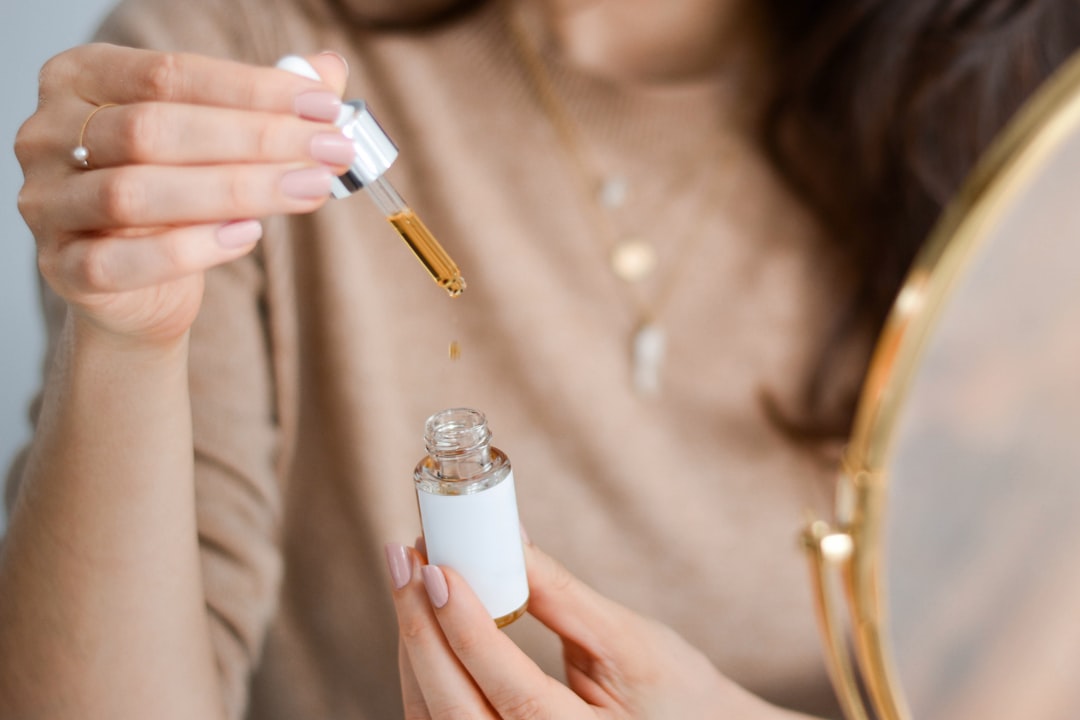
Are face oils good for dry skin? They can be helpful as a final sealing step, but oils alone don’t hydrate. Pair them with a humectant underneath for best results.
Does drinking water cure dry skin? Staying hydrated supports overall skin health, but topical moisturizers are what directly address surface dryness.
Should I patch test new products? Yes. Test any new moisturizer or serum on your inner arm for a few days before applying it to your face, especially if your skin is sensitive.
Final Thoughts
Dry skin responds well to a gentle, layered routine focused on rebuilding and protecting the moisture barrier. Cleanse without stripping, layer hydrating products on damp skin, seal with a rich moisturizer, and support your skin with healthy habits and daily sun protection. Ceramides, hyaluronic acid, and nourishing occlusives are your best allies. Patch test new products, and if dryness persists or becomes painful, consult a dermatologist for personalized guidance.