Last updated: October 4, 2026
⚡ Key Takeaways
As an Amazon Associate we earn from qualifying purchases at no extra cost to you.





Get instant results in seconds — no signup.
- Hyaluronic acid is a naturally occurring substance found in your skin, joints, and connective tissue.
- HA is one of the most universally tolerated ingredients in skincare, which is part of why it's so popular.
- Not all hyaluronic acid is created equal.
- Because HA is a humectant, it draws moisture from wherever it can find it.
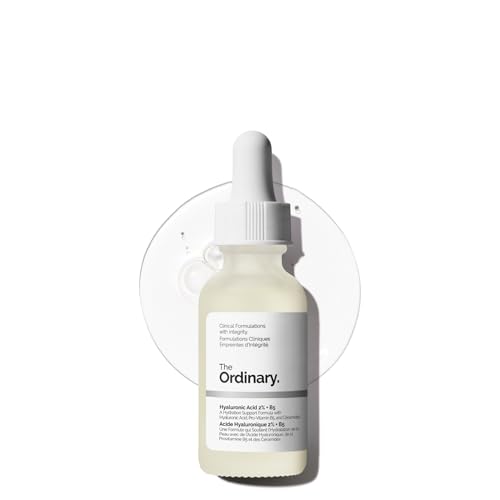
If your skin ever feels tight, looks dull, or seems to drink up moisturizer within minutes, hyaluronic acid benefits are probably exactly what you’ve been reading about. This humble ingredient has become a skincare superstar, and for good reason. Despite the word “acid” in its name, hyaluronic acid (HA) isn’t an exfoliant and won’t sting or peel your skin. Instead, it’s a powerful humectant that pulls and holds water, leaving skin plumper, smoother, and more comfortable. In this guide we’ll break down what hyaluronic acid actually does, who benefits most from it, and exactly how to use it for maximum hydration.
🛒 Best Price Today on Amazon
Prime members get fast, free shipping on everything above, plus member-only deals. New members get a 30-day free trial — cancel anytime.
What Is Hyaluronic Acid, Really?
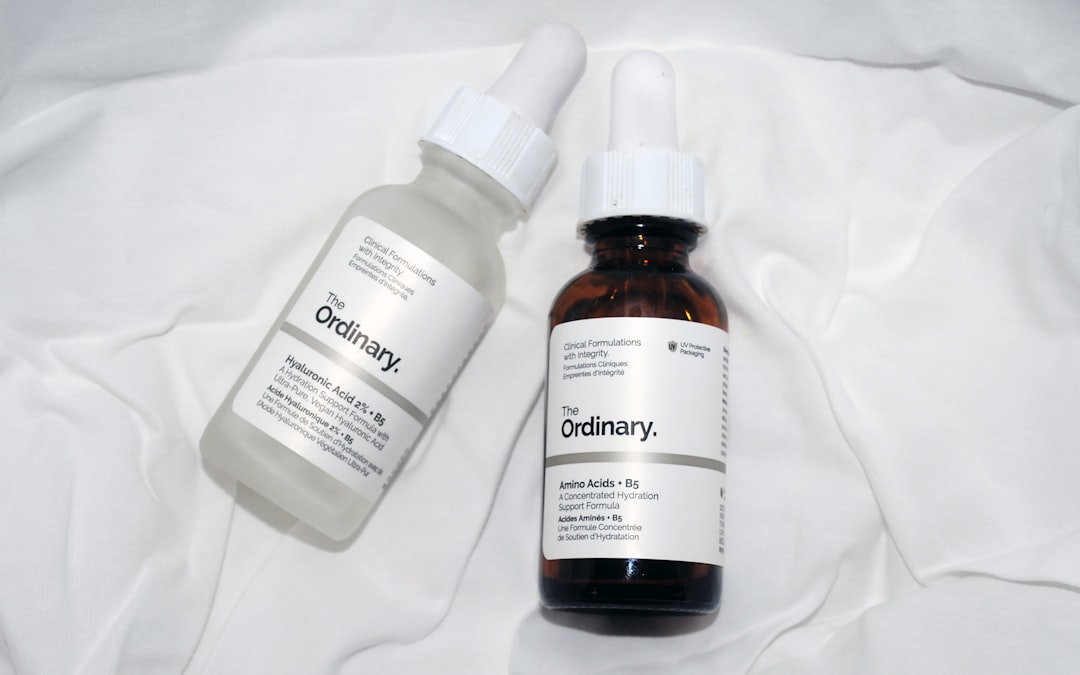
Hyaluronic acid is a naturally occurring substance found in your skin, joints, and connective tissue. Its standout feature is its ability to hold up to 1,000 times its weight in water. In your skin, HA helps maintain moisture and a supple, cushioned feel. As we age, natural HA levels decline, which contributes to dryness and a loss of plumpness. Topical hyaluronic acid serums aim to replenish surface hydration and help your skin look fresher and more bouncy.
The Key Benefits of Hyaluronic Acid
HA is one of the most universally tolerated ingredients in skincare, which is part of why it’s so popular. Here’s what it can do.
- Deep, lightweight hydration: It draws water into the upper layers of the skin without feeling greasy or heavy.
- Plumper-looking skin: Well-hydrated skin appears smoother, and fine lines caused by dryness become less noticeable.
- Supports the skin barrier: Proper hydration helps your barrier function better, which means less sensitivity and irritation.
- Plays well with others: HA layers beautifully with most actives, including vitamin C, niacinamide, and retinoids.
- Suitable for nearly all skin types: From oily to dry to sensitive, most people tolerate it well.
Molecular Weight: Why It Matters
Not all hyaluronic acid is created equal. The molecule comes in different sizes, and the best serums use a blend.
| Type | Where It Works | Effect |
|---|---|---|
| High molecular weight | Skin surface | Immediate surface hydration and a smoothing film |
| Low molecular weight | Deeper layers | More lasting hydration that penetrates further |
| Sodium hyaluronate | Various depths | A stable salt form that absorbs efficiently |
A product that combines multiple weights tends to deliver both instant and longer-lasting hydration, which is why ingredient lists often show several HA variations.
How to Use Hyaluronic Acid Correctly
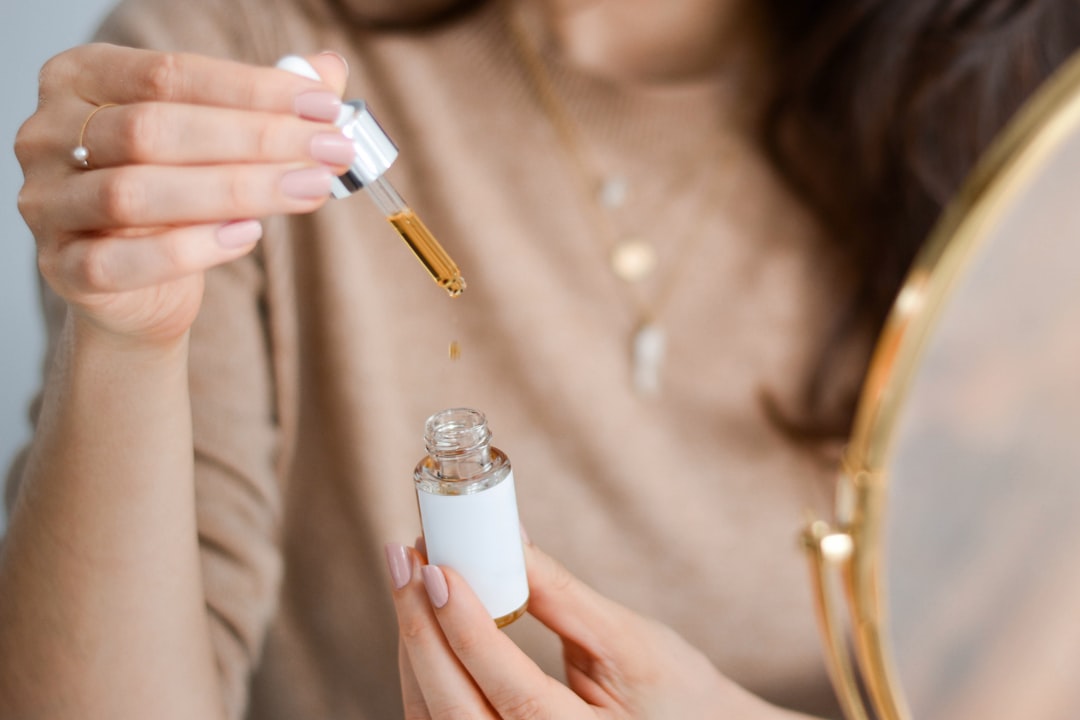
This is where many people unknowingly go wrong. Because HA is a humectant, it draws moisture from wherever it can find it. In a humid environment, that’s the air. In a dry environment, it can actually pull water from deeper in your skin, leaving you drier than before. The fix is simple: apply HA to damp skin and always seal it with a moisturizer on top.
The ideal sequence is to cleanse, pat your skin so it’s still slightly damp, apply your HA serum, and then immediately follow with a moisturizer to lock that hydration in. A rich, barrier-supporting cream like a gentle face moisturizer for sensitive skin works perfectly as that sealing step.
Who Benefits Most from Hyaluronic Acid?
While almost anyone can use HA, certain people see especially noticeable results. Those with dry or dehydrated skin often experience the biggest improvement in comfort and smoothness. People using drying actives like retinoids or exfoliating acids benefit from HA’s buffering hydration. Even oily skin types appreciate it, because dehydration can actually trigger more oil production. If you have very sensitive skin, pairing HA with a soothing K-beauty moisturizer for sensitive skin creates a calming, hydrating duo.
Hydration vs. Moisture: An Important Distinction
People often use these words interchangeably, but they’re different. Hydration refers to water content, which is what HA provides. Moisturization refers to locking that water in and reinforcing the barrier with oils and emollients. This is why HA alone isn’t enough. A humectant adds water, but without an occlusive or emollient on top, that water can evaporate. Think of HA as filling the glass and your moisturizer as the lid that keeps it from spilling. For mature skin, pairing HA with an anti-wrinkle moisturizer for sensitive skin can enhance both hydration and the look of fine lines.
Hyaluronic Acid in Different Climates and Seasons
One detail that gets overlooked is how much your environment affects the way hyaluronic acid behaves. Because it’s a humectant that pulls water from its surroundings, the air around you matters enormously. In a humid climate, HA happily draws moisture from the air, leaving skin dewy and comfortable. In a dry climate, an air-conditioned office, or the dead of winter, there’s little moisture in the air to grab, so the HA can pull water from deeper in your skin if you don’t seal it properly. This is why the damp-skin-then-moisturizer rule becomes even more important in dry conditions. In winter, you may also want to layer a richer occlusive cream over your HA to truly lock hydration in. Adjusting your approach to the season is a small change that makes a big difference in how hydrated your skin feels year-round.
Travel is another situation where this matters. Airplane cabins are notoriously dry, so applying HA before a flight without sealing it can leave your skin feeling tighter, not softer. Packing a small moisturizer to layer on top keeps the benefit intact. The principle is always the same: give the humectant water to hold, then trap it.
Combining Hyaluronic Acid With Active Ingredients
Part of what makes HA so beloved is how well it gets along with other ingredients. If you use potentially drying actives like retinoids or exfoliating acids, hyaluronic acid is a perfect companion because it offsets the dehydration those ingredients can cause without interfering with how they work. Apply your active first, then layer HA and a moisturizer to cushion the effect. HA also pairs beautifully with niacinamide for a calming, hydrating boost, and with vitamin C, where it softens any tightness the antioxidant might cause. Because it’s so neutral and gentle, there are very few ingredients HA conflicts with, which is exactly why it appears in so many products across every price range. Used as a hydrating layer within a complete routine, it quietly makes everything else feel more comfortable.
Common Mistakes to Avoid
A few missteps can undermine your results. Applying HA to completely dry skin in a low-humidity room can leave skin feeling tight, so always layer it on damp skin and seal it. Skipping the moisturizer afterward defeats the purpose. Finally, expecting HA to do everything is unrealistic; it’s a hydrator, not a wrinkle eraser or acne treatment. It works best as one part of a balanced routine.
Top-Rated Picks



| Product | Brand | Rating | Reviews | Price |
|---|---|---|---|---|
| CeraVe Moisturizing Cream, Body and Face Moisturizer … | CeraVe | ★ 4.7 | 144.3k | under $20 |
| Bio-Oil Skincare Body Oil Serum for Scars and Stretch… | Bio-Oil | ★ 4.6 | 178.2k | under $30 |
| THAYERS Alcohol-Free, Hydrating Cucumber Witch Hazel … | — | ★ 4.7 | 134.6k | under $20 |
| THAYERS Alcohol-Free, Hydrating, Unscented Witch Haze… | — | ★ 4.7 | 134.6k | under $20 |
| THAYERS Alcohol-Free Rose Petal Witch Hazel Facial To… | — | ★ 4.7 | 134.6k | under $20 |
Frequently Asked Questions
Can hyaluronic acid be used every day? Yes. It’s gentle enough for both morning and evening use and can be applied daily by virtually all skin types.
Does hyaluronic acid help with wrinkles? It plumps the skin and softens the look of fine lines caused by dehydration, but it doesn’t permanently treat deep wrinkles the way retinoids can.
Can oily or acne-prone skin use HA? Absolutely. It provides oil-free hydration, and well-hydrated skin can actually produce less excess oil.
Should I apply HA before or after moisturizer? Before. Apply the thinner serum first on damp skin, then lock it in with your moisturizer.
Do I need to patch test hyaluronic acid? It’s rarely irritating, but patch testing any new product on your inner arm for a few days is always a smart precaution.
Final Thoughts
Hyaluronic acid earns its reputation as a hydration hero. Used correctly, on damp skin and sealed with a moisturizer, it leaves skin plumper, smoother, and more comfortable. It’s gentle, versatile, and pairs well with nearly everything else in your routine. Just remember it’s a hydrator, not a cure-all, and it works best within a complete regimen. Patch test new products, and if you have ongoing skin concerns, a dermatologist can help you tailor your approach.