Last updated: October 4, 2026
- The Idea Behind Double Cleansing
- Step 1: The Oil-Based Cleanser
- Step 2: The Water-Based Cleanser
- Who Should Double Cleanse?
- When You Don’t Need It
- Choosing the Right Cleansers
- Common Double Cleansing Mistakes
- How Double Cleansing Fits Your Whole Routine
- Oil Cleanser vs. Cleansing Balm vs. Micellar Water
- The Science of Why One Cleanse Isn’t Always Enough
- Frequently Asked Questions
- Double Cleansing for Different Skin Concerns
- Final Thoughts
- Related Articles
- Related Guides
⚡ Key Takeaways


As an Amazon Associate we earn from qualifying purchases at no extra cost to you.




- Many of the things sitting on your skin at the end of the day—sunscreen, makeup, sebum, pollution particles—are oil-based and resistant to water-based cleansers alone.
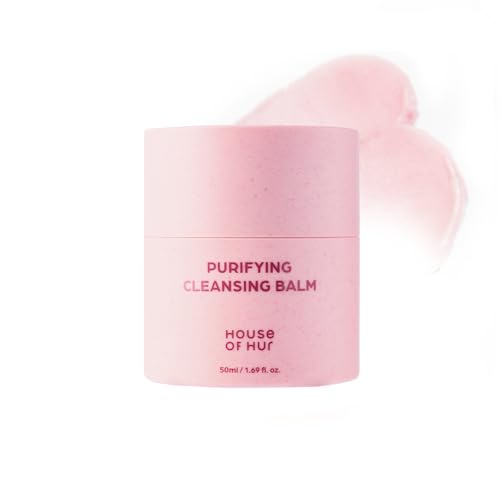
- Oil cleansers come as oils, balms, or cleansing creams.
- Now move on to your regular cleanser—a gel, foam, cream, or milk depending on your skin type.
- Double cleansing isn't mandatory for everyone, but certain people benefit a lot:
If you’ve spent any time in K-beauty circles, you’ve heard the term—but what is double cleansing, and is it something your skin actually needs? In short, it’s a two-step method: you start with an oil-based cleanser to dissolve oil-based grime like sunscreen and makeup, then follow with a water-based cleanser to lift away sweat, dirt, and any leftover residue. The result is skin that’s genuinely clean without being stripped. This guide explains how double cleansing works, who benefits most, exactly how to do it step by step, and how to avoid overdoing it.
Related: best Korean skincare sets.
🛒 Best Price Today on Amazon
Prime members get fast, free shipping on everything above, plus member-only deals. New members get a 30-day free trial — cancel anytime.
The Idea Behind Double Cleansing
Here’s the chemistry made simple: oil dissolves oil. Many of the things sitting on your skin at the end of the day—sunscreen, makeup, sebum, pollution particles—are oil-based and resistant to water-based cleansers alone. A single water cleanser often can’t fully break these down, leaving residue that can clog pores. An oil cleanser melts them away effortlessly. The second, water-based cleanse then removes water-soluble debris like sweat and dust, plus any oily residue left behind.
Together, the two steps clean thoroughly while being gentler than one harsh, do-it-all cleanser that strips your skin.
Step 1: The Oil-Based Cleanser
This first step is done on dry skin with dry hands. Oil cleansers come as oils, balms, or cleansing creams.
- Apply a small amount to dry skin and massage gently for 30–60 seconds.
- Focus on areas with makeup or heavy sunscreen.
- Add a little water to emulsify (it turns milky), then rinse.
The goal here is to break down everything oil-based so the second cleanser can do its job without scrubbing.
Step 2: The Water-Based Cleanser
Now move on to your regular cleanser—a gel, foam, cream, or milk depending on your skin type.
- Apply to damp skin and massage for another 30–60 seconds.
- Rinse thoroughly with lukewarm (not hot) water.
- Pat dry gently and continue with the rest of your routine.
After double cleansing, your skin should feel clean and comfortable—never tight, squeaky, or dry. If it does feel stripped, your cleansers may be too harsh.
Who Should Double Cleanse?
Double cleansing isn’t mandatory for everyone, but certain people benefit a lot:
| You should double cleanse if you… | Notes |
|---|---|
| Wear sunscreen daily | SPF is water-resistant and needs oil to remove fully |
| Wear makeup | Especially long-wear or waterproof formulas |
| Have oily or acne-prone skin | Helps clear pore-clogging sebum and debris |
| Live in a polluted or humid area | Removes airborne particles and buildup |
| Have very dry or sensitive skin | Optional—use gentle, low-foam cleansers and don’t over-rinse |
When You Don’t Need It
Double cleansing is an evening ritual. In the morning, a single gentle cleanser—or even just water—is enough, because your skin hasn’t accumulated makeup or sunscreen overnight. There’s no need to double cleanse twice a day; doing so can disrupt your barrier. Likewise, if you didn’t wear sunscreen or makeup and your skin is dry, one gentle cleanse at night may be all you need.
Choosing the Right Cleansers
Match your cleansers to your skin type for best results:
- Oily/acne-prone: A lightweight cleansing oil or gel-balm that emulsifies cleanly, followed by a gel or foaming cleanser.
- Dry skin: A nourishing cleansing balm followed by a creamy, non-foaming cleanser.
- Sensitive skin: Fragrance-free, low-foam options for both steps. Our guide to gentle products for sensitive skin pairs well with a minimal cleansing approach.
Whatever you choose, the finishing touch after cleansing should be a moisturizer suited to your skin—reactive complexions often do well with a K-beauty moisturizer for sensitive skin to lock hydration back in.
Common Double Cleansing Mistakes
A few missteps can turn a helpful habit into an irritating one:
- Using hot water: It strips natural oils and can leave skin red and tight. Stick to lukewarm.
- Scrubbing aggressively: Gentle massage is enough; rough rubbing damages the barrier.
- Double cleansing every morning: Reserve it for evenings when you have sunscreen or makeup to remove.
- Skipping moisturizer afterward: Clean skin still needs hydration to stay balanced.
- Choosing harsh foaming cleansers: If your skin feels stripped, switch to gentler formulas.
How Double Cleansing Fits Your Whole Routine
Double cleansing is simply the first stage of your evening routine. After it, you move on to toner, treatments, and moisturizer. Because clean skin absorbs subsequent products more effectively, this step sets up everything that follows. If you use nighttime actives like retinol, starting with a proper cleanse helps them work without trapping debris underneath. And because thorough cleansing supports clearer pores, it’s a natural ally for anyone using an anti-wrinkle moisturizer for sensitive skin as part of an anti-aging plan.
Oil Cleanser vs. Cleansing Balm vs. Micellar Water
The first step of double cleansing comes in several formats, and the right one depends on your skin and how much you need to remove:
| Format | Texture | Best for |
|---|---|---|
| Cleansing oil | Liquid oil that emulsifies with water | Heavy sunscreen, everyday use, oily skin |
| Cleansing balm | Solid that melts into oil on contact | Dry skin, heavy or waterproof makeup |
| Micellar water | Watery, no-rinse | Light coverage, sensitive skin, travel |
All three can serve as your first cleanse. Cleansing oils and balms are generally more effective at dissolving stubborn sunscreen and long-wear makeup, while micellar water is a gentler, lower-effort option for minimal days.
The Science of Why One Cleanse Isn’t Always Enough
It helps to understand why a single wash often falls short. Modern sunscreens are deliberately formulated to be water-resistant so they stay put when you sweat or swim—which is great for protection but means a water-based cleanser struggles to fully remove them. The same goes for long-wear and waterproof makeup. Leftover residue can sit on your skin overnight, mixing with sebum and dead cells, potentially contributing to clogged pores and dullness over time. By dissolving these oil-based layers first, double cleansing lets your second, water-based cleanser focus on what it does best: removing sweat, dirt, and water-soluble grime. The two steps cover different categories of buildup, which is why together they leave skin genuinely clean without the need for a single harsh, stripping product.
Frequently Asked Questions
Do I need to double cleanse if I don’t wear makeup?
If you wear sunscreen—which you should daily—double cleansing at night still helps remove it thoroughly. If you wore neither sunscreen nor makeup, a single gentle cleanse is usually enough.
Should I double cleanse in the morning?
No. Mornings only call for a single gentle cleanser or a water rinse, since your skin hasn’t built up sunscreen or makeup overnight. Save double cleansing for your evening routine.
Will double cleansing dry out my skin?
It shouldn’t if you use gentle, well-suited cleansers and lukewarm water. If your skin feels tight afterward, your second cleanser may be too harsh—switch to a creamier, low-foam option and always follow with moisturizer.
Can oily and acne-prone skin double cleanse?
Yes, and it’s often beneficial. Oil cleansers dissolve excess sebum and pore-clogging debris without stripping. Choose a lightweight cleansing oil or gel-balm that rinses clean, followed by a gentle gel cleanser.
What’s the difference between cleansing oil and micellar water?
Both can serve as the first step. Cleansing oil is generally more effective at dissolving heavy sunscreen and waterproof makeup, while micellar water is a lighter, no-rinse option better suited to minimal coverage or sensitive skin.
Double Cleansing for Different Skin Concerns
The technique adapts well to a range of needs when you tailor the products. For acne-prone skin, a lightweight cleansing oil that emulsifies cleanly followed by a salicylic-acid gel cleanser helps clear pore-clogging debris. For aging or dryness concerns, a nourishing balm followed by a creamy, non-foaming cleanser preserves moisture while still removing buildup. For sensitive or reactive skin, choose fragrance-free, low-foam formulas for both steps and keep your massage gentle and brief. The beauty of double cleansing is its flexibility: the two-step framework stays the same, but you can swap in products suited to whatever your skin needs most, making it a method that grows with you as your concerns evolve over time.
Final Thoughts
Double cleansing is a simple, effective way to remove sunscreen, makeup, and daily buildup without stripping your skin—oil first to dissolve oil-based grime, then a water-based cleanser to finish the job. Reserve it for evenings, use lukewarm water and a gentle touch, and always follow with moisturizer. Patch-test new cleansers if your skin is reactive, and consult a board-certified dermatologist if you experience persistent dryness, irritation, or breakouts.