Last updated: October 4, 2026
⚡ Key Takeaways
As an Amazon Associate we earn from qualifying purchases at no extra cost to you.



Get instant results in seconds — no signup.
- Apply your products from thinnest to thickest consistency.
- You won't use every category every day, but when you do, this is the order:
- If you ever forget the named steps, fall back on texture.
- Your morning routine protects; your evening routine repairs.
You bought the toner, the serum, the eye cream, and the moisturizer—but in what order do they actually go on? Knowing how to layer skincare correctly is what separates a routine that works from a cabinet full of expensive products that pill, clog, or simply do nothing. The good news is that the rules are simple once you understand the reasoning behind them. This guide breaks down the universal layering principle, gives you the exact order for morning and night, and helps you avoid the mistakes that quietly sabotage your results.
Related: best Korean skincare sets.
🛒 Best Price Today on Amazon
Prime members get fast, free shipping on everything above, plus member-only deals. New members get a 30-day free trial — cancel anytime.
Quick answer: Our top pick in 2026 is the Watery / liquid — our #1 rated choice. See the full ranked comparison, alternatives and buying advice below.
The One Rule That Governs Everything
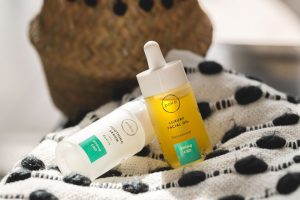
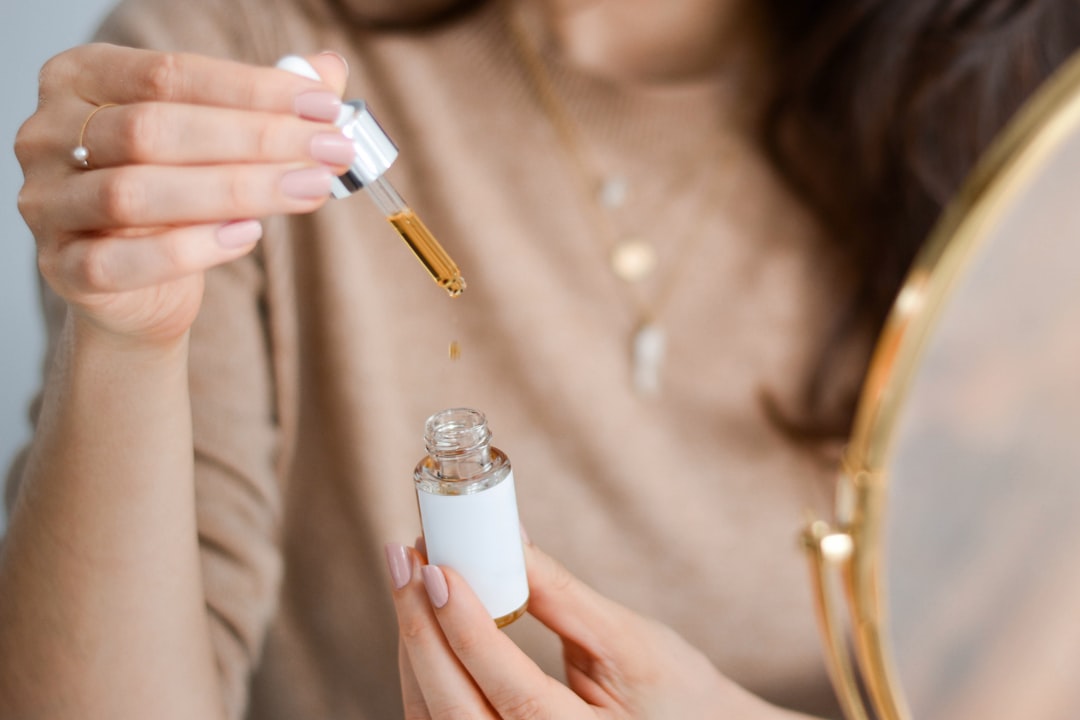
Apply your products from thinnest to thickest consistency. Water-like textures go first because their small molecules absorb quickly and need direct contact with your skin. Heavier creams and oils go last because they form a seal that locks everything underneath in place. If you reverse this order, the lightweight products can’t get through the occlusive layer, and you’ve essentially wasted them.
A quick mental test: tilt the bottle. If the product runs like water, it’s an early layer. If it stays put like a lotion or balm, it belongs near the end.
The Standard Layering Order
Here is the sequence most dermatologists and skincare experts recommend. You won’t use every category every day, but when you do, this is the order:
- Cleanser: A clean canvas is the foundation of any routine.
- Toner or essence: Watery hydration that preps the skin.
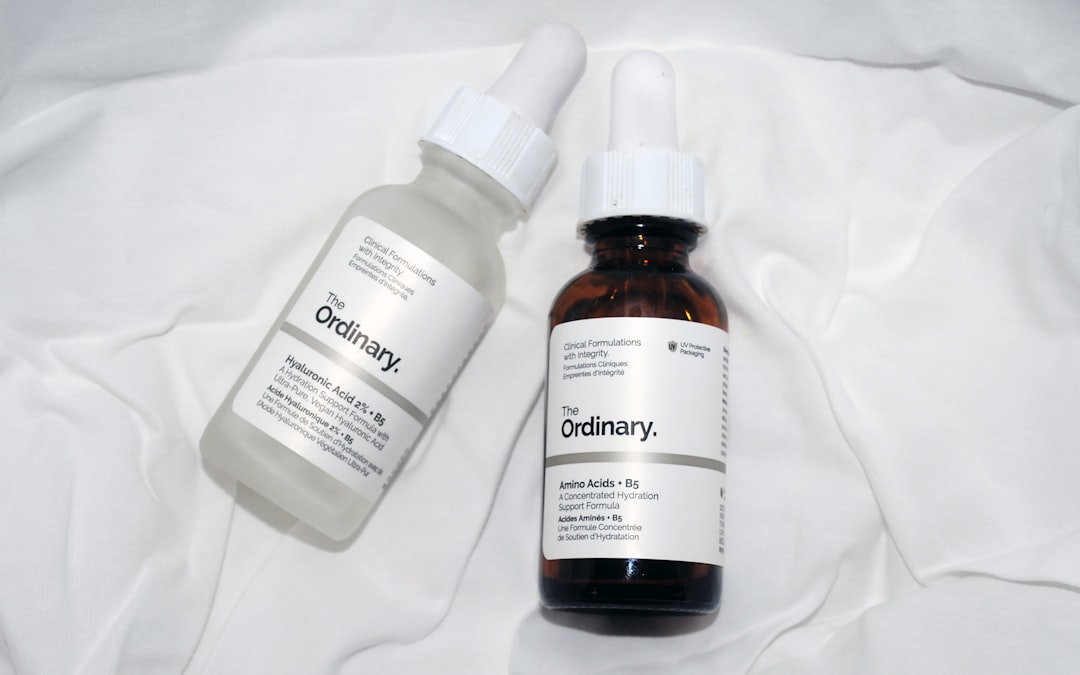
- Treatment serums: Concentrated actives like vitamin C, niacinamide, or hyaluronic acid.
- Eye cream: Targeted care for the delicate eye area.
- Spot treatments: Acne or dark-spot treatments applied to specific areas.
- Moisturizer: Seals in hydration and supports the skin barrier.
- Face oil (PM): An optional final occlusive layer at night.
- Sunscreen (AM): Always the last step of your morning routine.
Where Do Actives Fit?
Active ingredients—the powerhouses like retinol, AHAs, BHAs, and vitamin C—usually live in the serum step. Because they’re potent, the order in which you apply them and the time of day you use them both matter. A handy rule: apply water-based actives (like a niacinamide serum) before oil-based ones, and reserve your most irritating actives for nighttime.
How Texture Determines Order
If you ever forget the named steps, fall back on texture. This table maps common product types to their place in the lineup.
| Texture | Example products | When to apply |
|---|---|---|
| Watery / liquid | Toner, essence, hydrating mist | First, after cleansing |
| Thin gel / fluid | Water-based serums | Early-middle |
| Light lotion | Emulsions, lightweight moisturizers | Middle |
| Cream | Rich moisturizers, night creams | Near the end |
| Oil / balm | Face oils, sleeping masks | Last (PM) |
| Sunscreen | Mineral or chemical SPF | Last (AM only) |
AM and PM Layering at a Glance
Your morning routine protects; your evening routine repairs. Here’s how the same principle plays out across both:
- Morning: Cleanser → Toner → Antioxidant serum (e.g., vitamin C) → Eye cream → Moisturizer → Sunscreen
- Evening: Cleanser → Toner → Treatment serum (e.g., retinol) → Eye cream → Moisturizer → Face oil (optional)
Notice that sunscreen only appears in the morning and the heavier oil only at night. For a fuller picture of the daily sequence, our guide to the best gentle face moisturizer for sensitive skin shows where the moisturizer step fits for reactive skin.
How Long to Wait Between Layers
You don’t need to wait for each product to fully dry—that would turn your routine into an hour-long affair. Instead, pause about 30 seconds so the previous layer has mostly absorbed. The two exceptions worth a slightly longer wait are vitamin C (give it a minute to settle) and any pH-dependent acid, which works best with a short pause before the next step. Sunscreen also benefits from a couple of minutes to set before you apply makeup.
Mistakes That Undermine Good Layering
Even people who know the order trip over these:
- Too many products at once: Stacking five serums leads to pilling and barrier overload. Quality beats quantity.
- Wrong texture order: Putting cream before serum blocks absorption.
- Combining clashing actives: Layering retinol over a strong AHA in the same routine can cause irritation. Alternate them on different nights.
- Forgetting sunscreen: The final, most important morning layer protects everything beneath it.
If you’re layering for anti-aging, the serum and moisturizer steps are where you’ll see the most payoff—an anti-wrinkle moisturizer for sensitive skin is a sensible choice for the cream step.
Layering for Different Skin Types
The order never changes, but how many layers you use should. Oily skin generally does better with fewer, lighter layers to avoid congestion. Dry skin can handle more hydrating layers and a richer final cream. Sensitive skin should keep things minimal and fragrance-free—our roundup of the best K-beauty moisturizer for sensitive skin offers gentle options for the moisturizer slot.
Special Cases: Spot Treatments, Masks, and Mists
A few product types don’t fit neatly into the standard lineup, so here’s where they belong:
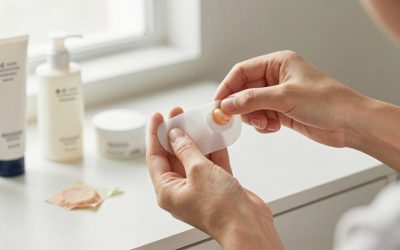
- Spot treatments: Apply acne or dark-spot treatments directly to affected areas after serums but before moisturizer, so they make direct contact with the skin.
- Sheet masks: Use them after toner and before serums or moisturizer, a few times a week, for a hydration boost. Pat in the leftover essence rather than rinsing.
- Face mists: A hydrating mist can be used early as a toner-like step, or spritzed over makeup later. Avoid mists with alcohol high on the ingredient list, which can be drying.
- Exfoliating acids: These go after cleansing and before other serums, but should only be used a few times a week, not layered with retinol on the same night.
When in doubt, fall back on the texture rule: thinner and more watery goes earlier, thicker and more occlusive goes later.
Why Order Matters More Than Brand
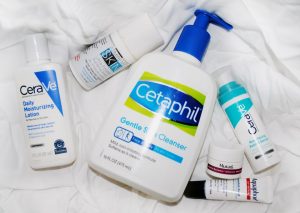
It’s easy to assume that buying a matching set from one brand guarantees results, but how you apply products matters far more than whether they share a label. A budget moisturizer applied in the right order will outperform a luxury cream slapped on before your serums. Mixing brands is completely fine—your skin doesn’t know or care whether your toner and moisturizer come from the same company. What it responds to is correct layering, consistent use, and formulas suited to your skin type. Focus your energy on getting the sequence right and choosing products for your concerns, not on collecting a single brand’s full range.
Top-Rated Picks




| Product | Brand | Rating | Reviews | Price |
|---|---|---|---|---|
| CeraVe Moisturizing Cream, Body and Face Moisturizer … | CeraVe | ★ 4.7 | 144.3k | under $20 |
| Bio-Oil Skincare Body Oil Serum for Scars and Stretch… | Bio-Oil | ★ 4.6 | 178.2k | under $30 |
| THAYERS Alcohol-Free, Hydrating Cucumber Witch Hazel … | — | ★ 4.7 | 134.6k | under $20 |
| THAYERS Alcohol-Free, Hydrating, Unscented Witch Haze… | — | ★ 4.7 | 134.6k | under $20 |
| THAYERS Alcohol-Free Rose Petal Witch Hazel Facial To… | — | ★ 4.7 | 134.6k | under $20 |
Frequently Asked Questions
What goes first, serum or moisturizer?
Serum goes first. It’s thinner and contains active ingredients that need to reach your skin directly. Moisturizer goes on top to seal in the serum and lock in hydration.
Can I layer hyaluronic acid and niacinamide together?
Yes, these two pair well. Apply the more watery one first. Both are hydrating and barrier-friendly, making them a popular and gentle combination for most skin types.
How many layers is too many?
If your products start to pill, ball up, or feel like they’re sitting on top of your skin, you’ve layered too much. For most people, four to six steps is plenty. Lighter skin types may want even fewer.
Do I apply sunscreen before or after moisturizer?
After. Sunscreen is the final step of your morning routine and should sit on top of your moisturizer so it can form an even protective film on the surface of your skin.
Why do my products pill when I layer them?
Pilling usually happens when you apply too much product, don’t let layers absorb, or combine incompatible formulas (like a silicone-heavy product over a water-based one). Use less, wait between layers, and simplify your lineup.
Final Thoughts
Layering skincare correctly comes down to one habit: go from thinnest to thickest, and finish your mornings with sunscreen. Keep your routine as simple as your skin needs, give each layer a moment to absorb, and resist the urge to pile on. Patch-test new products before adding them to your routine, and consult a board-certified dermatologist for any persistent or worsening skin concerns.
Ready to decide? Our #1 pick for 2026 is the Watery / liquid.
Live price & availability on Amazon.