- Top Pick: Laclaire Fresh Look, Same Ingredients 8% Complex Retinol Facial Serum – Anti-Aging, Brightening Neck & Facial Serum, Helps Nourish Skin with Lactic Acid, Vitamin A, & Retinyl Palmitate – 15 ml
- Best Value: CeraVe Retinol Serum for Face with Niacinamide & Hyaluronic Acid, 1 oz
- Premium Choice: CeraVe Resurfacing Retinol Face Serum with Niacinamide, Pore Minimizer, 1oz
Last updated: October 4, 2026
- Decide These 3 Things First
- Size: Compare Milliliters, Not Just Bottle Height
- Material: Identify the Retinoid and Supporting Ingredients
- Construction: Packaging Affects Stability
- Comfort and Performance: Texture Is Part of the Value
- Price Tiers: Pay for Clarity and Usability
- Warranty and Shelf Life: Know What Protection You Actually Get
- Delivery and Assembly: In This Case, It Means Handling and Setup
- Spec Checklist
- Red Flags
- FAQ
Buying retinol serum can look simple until you compare percentages, retinoid types, supporting ingredients, bottle sizes, and instructions that are not always consistent. One common mistake is assuming the highest number on the label is automatically the best choice. Another is confusing retinol with gentler vitamin A derivatives, such as retinyl palmitate, or treating a serum’s total “complex” percentage as though it were pure retinol.
Shoppers also overlook practical details. A 1-ounce bottle may be a better value than a 15-milliliter bottle, but only if the formula remains stable and you can use it consistently. A low-priced serum may be a sensible starter option, while a more expensive product may justify its cost with better packaging, soothing ingredients, or a more comfortable texture—not necessarily a stronger result. This guide explains what to look for in retinol serum, with useful benchmarks for comparing products in 2026.
As an Amazon Associate we earn from qualifying purchases at no extra cost to you.


Decide These 3 Things First
- Your experience level: If you have never used a retinoid, look for a low-strength formula or a product clearly designed for beginners. Experienced users may prefer a labeled 0.5% or 1% retinol product, but higher strength also increases the chance of dryness and irritation.
- Your main goal: For general smoothing and early signs of aging, a straightforward retinol serum may be appropriate. For blemishes or visible pores, look for a formula positioned for resurfacing. For easily irritated skin, prioritize moisturizing and barrier-supporting ingredients over maximum strength.
- Your tolerance for maintenance: Retinol usually requires a gradual routine. Decide whether you are willing to apply it two nights per week at first, use sunscreen every morning, and adjust if peeling or burning occurs. The best serum is one you can use consistently and comfortably.
Size: Compare Milliliters, Not Just Bottle Height
Retinol serums commonly come in 15 milliliters, 30 milliliters, or 1 fluid ounce, which equals approximately 29.6 milliliters. A typical application is two or three drops, so a 30-milliliter bottle may last roughly three to six months depending on how often you use it and whether you apply it to your face, neck, or both. A 15-milliliter bottle may last approximately six to twelve weeks.
Do not assume a larger bottle is always the better deal. Retinol is sensitive to light, heat, and air, so a product that sits open for a year may be less appealing than a smaller package you finish within its recommended period. Check the manufacturer’s period-after-opening symbol, often marked as 6M or 12M, and note the expiration date if one is printed.
Among the example products, Laclaire Fresh Look is listed at 15 milliliters, while the CeraVe and The Ordinary examples are approximately 1 ounce. Compare the price per 10 milliliters rather than the shelf price alone.
Material: Identify the Retinoid and Supporting Ingredients
The word “retinol” can refer to several different vitamin A ingredients. Pure retinol is a direct retinoid commonly used in over-the-counter skin-care products. Retinyl palmitate is a milder ester that must undergo additional conversion in the skin. Retinal, or retinaldehyde, is another vitamin A derivative that is often marketed as more potent than retinol, but it should not be compared one-to-one with a retinol percentage.
Look for an exact ingredient name and, when available, a clearly stated concentration. A label claiming an “8% retinol complex” does not necessarily mean the product contains 8% pure retinol. The word “complex” may describe a blend of several ingredients. If the label does not disclose the actual retinol concentration, treat the percentage as difficult to compare with a product labeled 0.5% or 1% retinol.
Useful supporting ingredients include niacinamide, hyaluronic acid, glycerin, ceramides, squalane, and other emollients. These ingredients can help a formula feel less drying, though they do not eliminate the possibility of irritation. Lactic acid and other exfoliating acids deserve extra caution. Combining an acid with retinoids in one product may be too aggressive for sensitive or beginner skin.
Also scan for fragrance and essential oils if your skin reacts easily. Their presence does not automatically make a serum unsuitable, but fragrance-free formulas are often the simpler comparison for people concerned about irritation.
Construction: Packaging Affects Stability
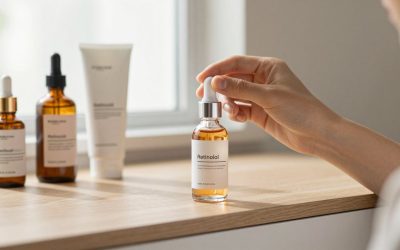
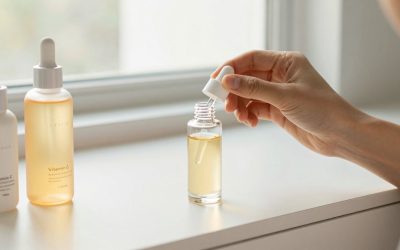
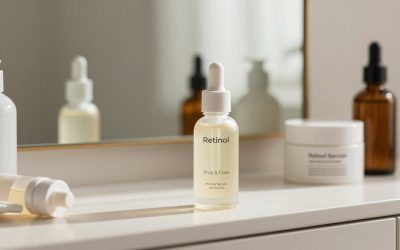
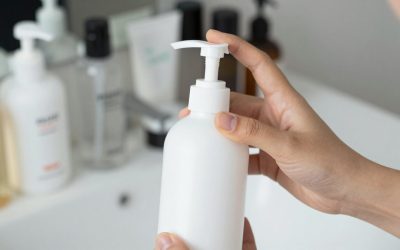
Packaging is a performance feature, not just a design choice. Favor opaque, air-restrictive packaging such as an airless pump or a dark, tightly sealed bottle. A dropper can be convenient, but every opening exposes the formula to air, and clear glass offers less protection from light unless the product is stored in a box or cabinet.
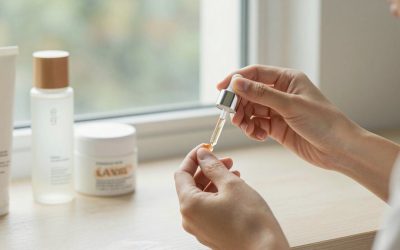
Check whether the package dispenses a small amount. Two or three drops should be enough for the face; a pump that releases a large, difficult-to-control portion can lead to waste and unnecessary irritation. The cap should close securely, and the bottle should not leak when stored upright.
Do not store retinol serum on a sunny bathroom windowsill or beside a hot shower. A cool, dry cabinet is generally more practical. Follow the product’s own storage instructions, especially if the manufacturer recommends refrigeration or a specific temperature range.
Comfort and Performance: Texture Is Part of the Value
A serum should spread easily without requiring vigorous rubbing. Watery formulas absorb quickly, while oil-based formulas may leave a dewy or slick finish. The Ordinary Retinol 1% in Squalane, for example, is an oil-based format, so shoppers who dislike a noticeable finish may prefer a lighter water- or gel-based product.
Start with a pea-sized amount or the amount directed on the label, applied to completely dry skin. Many users begin once or twice per week, then increase frequency only if their skin remains comfortable. Applying moisturizer before or after the serum can make the routine easier to tolerate. Avoid the eyelids, corners of the nose, lips, and any areas with cuts or active irritation.
Temporary dryness or mild flaking can occur, but intense burning, swelling, blistering, or persistent redness is a reason to stop and seek professional advice. Retinol can increase sun sensitivity, so broad-spectrum sunscreen with SPF 30 or higher should be part of the daytime routine. People who are pregnant, trying to become pregnant, or breastfeeding should ask a qualified health professional whether retinoids are appropriate.
Price Tiers: Pay for Clarity and Usability
Retinol serum prices commonly fall into these ranges:
- Budget: $10 to $18: Often includes simple formulas, smaller ingredient lists, or oil-based textures. The Ordinary example is listed for under $20, while one CeraVe example is listed for under $20.
- Midrange: $18 to $35: Frequently includes niacinamide, hyaluronic acid, ceramides, or more developed packaging. The CeraVe retinol serum example is listed for under $30, and the Laclaire example for under $30.
- Premium: $36 and above: May offer specialized delivery systems, elegant packaging, or additional soothing ingredients. A higher price does not prove a higher retinol concentration or better results.
Calculate the price per milliliter and then assess the formula. A $30, 15-milliliter bottle costs $2 per milliliter, while a $20, 30-milliliter bottle costs about 67 cents per milliliter. That difference matters if both products have comparable packaging and clearly disclosed retinoid information.
Warranty and Shelf Life: Know What Protection You Actually Get
Skin-care products rarely come with a conventional warranty. Instead, look for a clear return policy, an intact seal, a batch code, and an expiration or period-after-opening indication. Retailers may accept a return for a damaged or leaking package, but opened cosmetics are often excluded from general returns.
Buy from a seller that lists the full ingredients, provides a recent product image, and states whether the item is new and sealed. Avoid bottles with a broken inner seal, separated texture, unusual odor, or major color change. Keep your receipt until you have inspected the package and used it once or twice without a reaction.
Delivery and Assembly: In This Case, It Means Handling and Setup
Serum does not require assembly, but delivery conditions still matter. Avoid ordering products that may sit in extreme heat or freezing temperatures for long periods. When the package arrives, check for leakage, swelling, a loose cap, or a damaged carton. If the bottle is warm from transit, let it return to room temperature before opening.
Set up a simple routine before your first use: cleanse gently, let skin dry fully, apply a small amount of serum, and follow with moisturizer. Use it at night unless the label says otherwise. Introduce only one new active product at a time so you can identify the cause if irritation develops.
Spec Checklist
| Spec | Budget | Mid | Premium |
|---|---|---|---|
| Typical price | $10–$18 | $18–$35 | $36+ |
| Typical size | 15–30 ml | 30 ml or 1 fl oz | 30–50 ml |
| Retinoid labeling | May be vague or use a blend | Usually identifies the retinoid | Should provide clear concentration and format |
| Packaging | Dropper or basic bottle | Opaque bottle or controlled dropper | Airless pump or highly protective packaging |
| Support ingredients | Often one or two moisturizers | Niacinamide, hyaluronic acid, ceramides, or squalane | Multiple barrier-supporting ingredients and refined texture |
| Best for | Testing a routine on a budget | Regular users wanting comfort and value | Shoppers prioritizing packaging and finish |
Red Flags
- A large percentage claim that does not specify how much pure retinol is present.
- No complete ingredient list, expiration information, or seller details.
- Clear packaging with no outer box or other apparent light protection.
- Promises of instant wrinkle removal, permanent pore shrinking, or results without sunscreen.
- Multiple strong actives, such as retinol and exfoliating acids, without clear usage guidance.
- A damaged seal, leaking cap, rancid smell, separated formula, or unexplained color change.
- Instructions that encourage daily use immediately, regardless of skin type or experience.
FAQ
What percentage of retinol should a beginner use?
There is no single ideal percentage for everyone. A beginner should prioritize a clearly labeled, lower-strength product and use it once or twice weekly at first. If the product does not disclose the actual retinol amount, its stated “complex” percentage is not a reliable way to judge strength.
Is a 1% retinol serum always better?
No. A 1% product may be more intense, but strength does not guarantee better overall results if it causes peeling and forces you to stop. Packaging stability, supporting ingredients, texture, and consistent use are equally important.
Should retinol serum be used every night?
Not necessarily. Start with one or two nights per week and increase gradually only if your skin remains comfortable. Avoid applying it on the same night as other irritating actives until you understand how your skin responds.
How long does a bottle of retinol serum last?
A 30-milliliter bottle may last about three to six months when used in small amounts several times per week. A 15-milliliter bottle may last roughly six to twelve weeks. Actual use depends on application size, frequency, and whether you apply the serum to your neck as well as your face.
Ready to decide? Our #1 pick for 2026 is the Typical price.
Live price & availability on Amazon.