Last updated: October 4, 2026
Learning how to fix separated vitamin C serum starts with identifying what has actually separated. A thin layer of oil, sediment, crystals, or a darker liquid can mean different things. Some formulas only need thorough mixing, while others have oxidized and should be replaced.
Vitamin C—especially pure L-ascorbic acid—can be sensitive to light, heat, air, and moisture. If you shake a questionable bottle and immediately apply a degraded product, you may get stinging, redness, dryness, or little brightening benefit. The safest approach in 2026 is to inspect the serum first, remix it gently only when appropriate, and discard it when there are signs of spoilage.
As an Amazon Associate we earn from qualifying purchases at no extra cost to you.

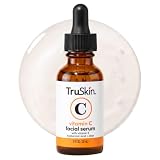
Quick answer: Our top pick in 2026 is The serum bottle — our #1 rated choice. See the full ranked comparison, alternatives and buying advice below.
What You Need
| Item | Why | Optional? |
|---|---|---|
| The serum bottle | Keep the product in its original, tightly closed container while checking and mixing it. | No |
| Clean, dry hands | Prevents water, dirt, and bacteria from entering the bottle or dropper. | No |
| Bright white tissue or paper towel | Helps you see whether the serum is clear, cloudy, yellow, orange, or brown. | Optional |
| Timer | Makes it easier to shake for a consistent 30 to 60 seconds without overhandling the formula. | Optional |
| Gentle cleanser and moisturizer | Useful if the serum causes irritation and you need to remove it and calm the skin. | Optional |
| Replacement serum | A fresh product is safer than trying to rescue a formula with a strong odor, dark color, or persistent separation. Comparable face serums range from about $10 to $20; examples include a under-$10 20% vitamin C serum and a under-$20 TruSkin Brightening Vitamin C Serum. | Optional |
Step-by-Step
Read the label and identify the formula (2 minutes)
Check whether the product contains pure L-ascorbic acid, a vitamin C derivative, oils, or a two-phase formula intended to be mixed. A serum containing oils may naturally show a slight layer after sitting. A water-based serum that suddenly develops a thick oily layer is more concerning.
Also check the expiration date, period-after-opening symbol, and storage instructions. If the label specifically says “shake well,” follow that direction. Do not assume every separated serum can be blended back together.
Inspect the color, texture, and smell before opening (1 minute)
Hold the closed bottle against a light background. A pale clear, white, or very light yellow appearance may be normal depending on the ingredients. A noticeable shift to dark yellow, orange, amber, or brown can indicate oxidation, especially in a previously colorless or pale serum.
Look for floating particles, fuzzy growth, unusual clumps, leaking around the cap, or a sour, rancid, or metallic odor. If any of those signs are present, skip the mixing step and replace the serum. Do not taste it or apply it to “test” whether it is still good.
Let the bottle reach room temperature (15 to 30 minutes)
If the serum was stored in a cold room, allow it to sit upright at approximately 65 to 75 degrees Fahrenheit. Temperature changes can make oils thicken and create temporary cloudiness or layers.
Do not microwave the bottle, place it in hot water, set it on a radiator, or use a hair dryer. Heat can accelerate vitamin C oxidation and may damage plastic packaging or create pressure inside a sealed container.
Mix gently and thoroughly (30 to 60 seconds)
Close the cap firmly. Shake the bottle with small, controlled motions for 30 seconds. If visible layers remain, continue for up to another 30 seconds. For a dropper bottle, keep the dropper attached while shaking so you do not introduce unnecessary air or contaminants.
Do not add water, toner, oil, alcohol, or another serum to the bottle. Diluting or changing the formula can alter its pH, weaken the preservative system, and increase the chance of irritation or contamination.
Wait and inspect the mixed serum (5 minutes)
Set the bottle upright on a clean surface for about five minutes. A properly remixed product should look reasonably uniform for its formula. A few tiny bubbles are usually caused by shaking and should disappear. A persistent oil layer, heavy sediment, curdled appearance, or separation that returns immediately suggests the formula is unstable or expired.
When in doubt, do not use the product on your face. A low-cost replacement—often about $10 to $20—is generally a better choice than risking a reaction or wasting other skincare products.
Perform a patch test (24 hours)
Apply a small amount to clean skin on the inside of your forearm or behind one ear. Leave it alone and observe the area for 24 hours. Mild tingling can occur with some vitamin C products, but burning, swelling, hives, intense itching, or persistent redness is not a normal response.
If irritation develops, wash the area with lukewarm water and stop using the serum. Anyone with very sensitive skin, eczema, rosacea, or a history of contact dermatitis should be especially cautious and may want professional guidance before trying a high-strength formula such as 20% vitamin C.
Apply a small amount correctly (1 minute)
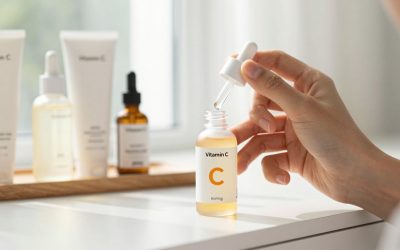
If the serum passes the patch test and remains uniform, use two to three drops on clean, dry skin. Avoid the eyelids, corners of the nose, lips, and any cuts or freshly exfoliated areas. Allow it to absorb for about one minute, then apply moisturizer.
Use broad-spectrum sunscreen rated SPF 30 or higher every morning. Vitamin C does not replace sunscreen, and protecting your skin from ultraviolet exposure is important when addressing uneven tone or dark marks.
Mistakes to Avoid
- Do not keep shaking indefinitely. If layers remain after 60 seconds, repeated shaking will not restore a degraded formula.
- Do not scrape crystals into the serum. Crystals may be undissolved vitamin C or other ingredients, and their presence can mean the product is no longer evenly formulated.
- Do not add tap water. It can introduce microbes and change the product’s intended concentration and pH.
- Do not store it in a hot bathroom. Keep the tightly closed bottle in a cool, dry, dark cabinet unless the manufacturer specifically requires refrigeration.
- Do not use a discolored serum on broken skin. Scrapes, freshly waxed skin, and sunburn are more likely to sting and become irritated.
- Do not combine it immediately with strong actives. Until you know your skin tolerates the product, avoid applying it in the same routine as retinoids, benzoyl peroxide, or strong exfoliating acids.
How Often
Start with vitamin C serum two or three mornings per week. If your skin remains comfortable after two weeks, you can increase to once daily, following the product label. More frequent application does not necessarily produce faster results, and high-strength products may be better used less often.
Close the cap after every use, wipe the bottle neck if product collects there, and keep the container upright. If the serum separates again after a few uses, stop relying on it and replace it. Record the date you opened a new bottle; many products are best used within three to six months after opening, but the package instructions take priority.
When to Call a Pro or Replace
Replace the serum immediately if it is dark brown, smells rancid or sour, has mold-like growth, develops persistent clumps, or separates again after careful room-temperature mixing. Also replace it if the bottle is past its expiration date or has been stored in high heat for an extended period.
Contact a dermatologist or other qualified healthcare professional if you develop facial swelling, blistering, hives, severe burning, or redness that does not improve after washing the product off. Seek urgent care for trouble breathing or swelling of the lips, tongue, or throat.
If separation keeps happening with unopened bottles from the same batch, photograph the product, save the packaging and lot number, and contact the manufacturer. They may be able to confirm whether the appearance is normal or arrange a replacement.
FAQ
Can I still use vitamin C serum if it separates?
Only if it returns to a uniform appearance after gentle shaking, has no unusual odor or dark discoloration, and passes a patch test. Persistent separation is a reason to stop using it, particularly in a water-based formula.
Why did my vitamin C serum separate?
Common causes include incompatible ingredients, an unstable emulsion, temperature swings, prolonged exposure to air, light or heat, and age. Oils can naturally separate in some formulas, while a sudden change in a previously uniform serum is more concerning.
Should vitamin C serum be refrigerated?
Not automatically. Refrigeration may be recommended by some manufacturers, but repeated warming and cooling can also affect texture. Unless the label says otherwise, store the closed bottle in a cool, dark place around 65 to 75 degrees Fahrenheit.
Is yellow vitamin C serum bad?
Not always. Some products are naturally pale yellow, and slight yellowing may occur over time. Dark yellow, orange, brown, or rapidly changing color—especially with an unpleasant smell or separation—suggests oxidation. When those signs appear together, replace the serum.
Ready to decide? Our #1 pick for 2026 is The serum bottle.
Live price & availability on Amazon.