Last updated: October 4, 2026
As an Amazon Associate we earn from qualifying purchases at no extra cost to you.



Why Niacinamide Is One of Skincare's Most Versatile Ingredients
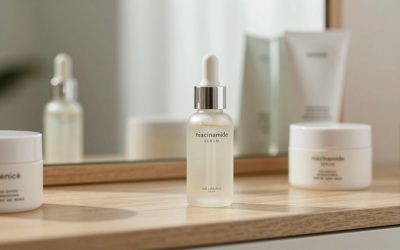
Niacinamide (vitamin B3) is one of the most multi-functional and well-tolerated ingredients in modern skincare. It minimizes the appearance of pores, regulates sebum production, fades hyperpigmentation, strengthens the skin barrier, reduces redness, and improves overall skin clarity — all without the irritation associated with actives like retinol or vitamin C. It works at concentrations as low as 2% and is effective up to 10%, making it accessible in both budget and premium formulas. Critically, niacinamide plays well with almost every other skincare ingredient, making it easy to integrate into any routine.
1. The Ordinary Niacinamide 10% + Zinc 1%
The formula that popularized niacinamide in mainstream skincare, The Ordinary's 10% concentration serum delivers meaningful results at an industry-leading price. The added zinc helps regulate sebum and reduces blemish-causing bacteria on the skin surface. It's water-based, lightweight, and effectively minimizes pore appearance and controls shine within two to four weeks. A non-negotiable staple for oily, combination, or blemish-prone skin types — and a genuinely impressive performer for its minimal cost.
2. Paula's Choice 10% Niacinamide Booster
Paula's Choice Niacinamide Booster is a highly concentrated, customizable serum designed to be added directly to your moisturizer or used alone as a serum. At 10% niacinamide with added acetyl glucosamine for enhanced brightening, it's particularly effective for stubborn hyperpigmentation and uneven skin tone. The formula is fragrance-free, non-irritating, and has a lightweight texture that doesn't interfere with other products in the routine.
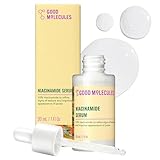
3. Good Molecules Discoloration Correcting Serum
Good Molecules combines niacinamide with tranexamic acid, kojic acid, and alpha arbutin in a formula designed to tackle stubborn post-inflammatory hyperpigmentation, melasma, and uneven tone. It's a step up from basic niacinamide serums for those with significant discoloration concerns. Fragrance-free and non-comedogenic, it suits sensitive and acne-prone skin and is an excellent high-value option for targeted brightening.
Buying Guide: Getting the Most from Niacinamide Serum
- Effective concentrations: 2–5% for barrier support and mild brightening; 10% for pore minimization, sebum control, and significant tone correction.
- Use morning and night: Niacinamide is non-photosensitizing and can be used twice daily for faster results.
- Pairs with everything: Niacinamide is compatible with retinol, vitamin C, AHAs, and BHAs without causing irritation.
- Timeline: Pore appearance improves in 2–4 weeks; significant brightening and pigmentation fading takes 8–12 weeks.
- For oily skin: Use before moisturizer; for dry skin, mix into moisturizer or apply as a middle layer.
Final Thoughts
Niacinamide is one of the most versatile and universally flattering skincare ingredients available. Whether your concerns are pores, oiliness, redness, or uneven tone, a niacinamide serum addresses them all without irritation or complicated application rules. It's the ideal addition to any routine — especially for beginners who want meaningful results from a single, simple product.
Why Niacinamide Is So Popular
Niacinamide (vitamin B3) is one of skincare’s most versatile and well-tolerated actives. It regulates sebum to reduce oiliness and the look of enlarged pores, strengthens the skin barrier to lock in moisture and improve resilience, calms redness and inflammation, and helps fade dark spots and uneven tone. This broad range of benefits, suiting oily, sensitive, acne-prone, and ageing skin alike, explains why it appears in so many serums and moisturisers. It’s gentle, effective, and plays well with almost every other ingredient, making it an easy win for nearly any routine.
How to Use a Niacinamide Serum
Apply niacinamide serum after cleansing and toning, before moisturiser, once or twice daily. A concentration of around 5 percent delivers benefits with minimal risk of irritation; very high percentages can cause flushing in sensitive skin, so more isn’t always better. Niacinamide layers safely with virtually everything, hyaluronic acid, retinol, peptides, and even vitamin C (the old myth that they cancel out has been debunked). Because it’s so gentle and multi-functional, it’s a great first ‘active’ for beginners and a reliable staple for experienced users, with daily SPF to support results.
Frequently Asked Questions
What does niacinamide do for skin?
It regulates oil, minimises the look of pores, strengthens the barrier, calms redness, and fades dark spots, suiting oily, sensitive, and ageing skin alike.
What concentration of niacinamide is best?
Around 5 percent delivers benefits with minimal irritation. Very high percentages can cause flushing in sensitive skin, so higher isn’t necessarily better.
Can I use niacinamide with vitamin C?
Yes. The idea they cancel out is a debunked myth; they layer safely and even complement each other’s brightening effects.
Related K-Beauty Guides
- Skincare Routine for Beginners: The Complete Step-by-Step Guide
- Best Sunscreen Reapplication Sprays: On-the-Go UV Protection Refresh
- Best Face Steamers for Skincare: Deep Cleanse and Hydrate Your Skin
- Best Derma Rollers for Microneedling: Stimulate Collagen at Home
- Best Face Massage Rollers: Sculpt, Depuff, and Boost Glow
- Best Jade Rollers for Face: Cooling, Depuffing, and Skin-Boosting Benefits
- Best Gua Sha Face Tools: Ancient Ritual for Modern Skin Benefits