Last updated: October 4, 2026
As an Amazon Associate we earn from qualifying purchases at no extra cost to you.


📣 Disclosure: This post contains Amazon affiliate links. We may earn a small commission at no extra cost to you. Learn more.
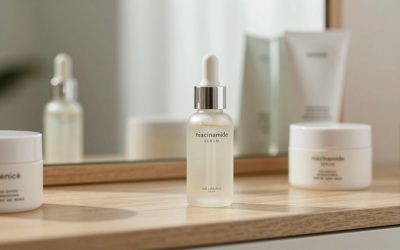
Niacinamide Serum: Benefits, How to Use, and the Best Korean Picks
If there is one ingredient that has truly crossed over from dermatology offices to mainstream K-beauty shelves, it is niacinamide. Also known as Vitamin B3 or nicotinamide, niacinamide serums have become a staple in millions of routines worldwide — and for good reason. This water-soluble vitamin does something rare in skincare: it delivers multiple benefits simultaneously without the irritation that comes with stronger actives like retinol or AHAs. Whether you are dealing with large pores, post-acne marks, dull skin, or a compromised barrier, niacinamide serum addresses all of them with consistent daily use.
What Is Niacinamide and How Does It Work?
Niacinamide is a form of vitamin B3 that is naturally present in the skin. It plays a critical role in cellular energy production (NAD+/NADH pathways) and supports numerous skin functions at once. Unlike many active ingredients that target one concern, niacinamide is a multi-pathway ingredient:
- Sebum regulation: Niacinamide reduces the rate of lipid synthesis in sebaceous glands, meaning oily skin produces less shine over time.
- Pore minimization: By controlling excess oil and strengthening the skin around pores, it makes them appear smaller — though it does not physically shrink pore size permanently.
- Brightening and hyperpigmentation: Niacinamide inhibits the transfer of melanosomes (pigment packets) from melanocytes to keratinocytes, gradually fading dark spots and evening skin tone.
- Barrier strengthening: It upregulates ceramide synthesis — the same ceramides that form the glue of your skin barrier — reducing water loss and improving skin’s resistance to environmental stressors.
- Anti-inflammatory: Niacinamide reduces the production of pro-inflammatory cytokines, making it effective for acne, redness, and sensitive skin.
The Science Behind the 10% Debate
You will see niacinamide serums ranging from 2% to 20% concentration. The sweet spot research points to is 5%. Studies show that 5% niacinamide is as effective as 4% hydroquinone (a prescription brightener) for reducing hyperpigmentation over 12 weeks — with significantly fewer side effects. Concentrations above 10% can cause transient flushing in some people due to niacin conversion (a related compound), though this is rare and temporary.
For most skin types and concerns, a 5–10% niacinamide serum is the ideal range. Korean brands typically formulate in this zone, often pairing it with complementary brightening ingredients like tranexamic acid, alpha-arbutin, or vitamin C for synergistic results.
Best Korean Niacinamide Serums
1. COSRX The Niacinamide 15 Serum
COSRX pushed to 15% concentration and added zinc PCA for sebum control — making this one of the most targeted formulas for oily, acne-prone skin. The texture is lightweight and absorbs quickly without stickiness. An excellent entry point for those who have used lower-concentration formulas and want to step up.
Find on Amazon →
2. Some By Mi Galactomyces Pure Vitamin C Glow Serum
Pairs niacinamide with galactomyces ferment filtrate and vitamin C for a triple-brightening approach. Particularly effective for post-acne hyperpigmentation and overall radiance. The ferment component adds skin-softening benefits alongside the vitamin B3.
Find on Amazon →
3. Beauty of Joseon Glow Serum: Propolis + Niacinamide
The cult favorite that helped launch Beauty of Joseon to international fame. Combines 2% propolis with niacinamide in a lightweight, honey-like texture. Better for dry or combination skin needing both brightening and nourishment — the propolis adds a healing, anti-bacterial dimension.
Find on Amazon →
4. numbuzin No.3 Skin Softening Serum
An underrated gem from numbuzin — a 77% niacinamide-complex formula (not 77% pure niacinamide, but 77% of the formula is a niacinamide complex base). Delivers one of the most thorough brightening and pore-refining experiences in the K-beauty niacinamide category, with added galactomyces.
Find on Amazon →
5. TIRTIR Milk Serum
TIRTIR’s signature milk-based formula uses niacinamide alongside collagen and ceramides for a barrier-focused approach. Ideal for skin that needs both brightening and deep hydration — works particularly well in winter or for those with dry, dull complexions.
Find on Amazon →
How to Use Niacinamide Serum in Your Routine
Niacinamide is one of the most flexible actives in skincare — it can be used morning and night, is compatible with most other ingredients, and rarely causes purging or adjustment reactions.
- Cleanse — start with a gentle cleanser (oil-based if you wear SPF/makeup, water-based if not)
- Tone — apply hydrating toner or essence to dampen skin
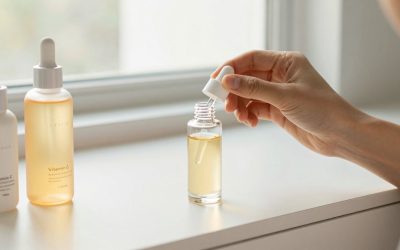
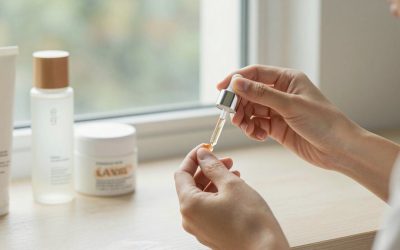
- Niacinamide serum — apply 2–3 drops and press gently into skin; do not rub
- Additional serums (optional) — hyaluronic acid, peptide serums, or vitamin C can follow
- Moisturizer — seal everything in with a ceramide or barrier cream
- SPF (morning only) — niacinamide does not increase photosensitivity but SPF is always the final morning step
Ingredients to Pair With (and Avoid)
Excellent combinations:
- Niacinamide + Hyaluronic Acid — complementary hydration and barrier support; the most popular K-beauty pairing
- Niacinamide + Zinc PCA — synergistic oil control; ideal for oily/acne-prone skin
- Niacinamide + Alpha-Arbutin — double brightening; accelerates hyperpigmentation fading
- Niacinamide + Retinol — niacinamide buffers retinol’s irritation and dryness; safe to use in the same routine (not the same step)
- Niacinamide + Ceramides — complementary barrier repair; great for eczema-prone skin
The Vitamin C myth: You may have read that niacinamide and vitamin C cannot be used together because they form nicotinic acid, which causes flushing. Modern research has largely debunked this concern at skincare concentrations — the reaction requires high heat and extended exposure. Using both in the same routine is fine for most people. Apply vitamin C first (it needs a slightly acidic environment), wait a few minutes, then apply niacinamide.
Common Mistakes to Avoid
- Using too high a concentration too fast: If you have never used niacinamide, start with 5% and assess for 2 weeks before stepping to higher concentrations
- Expecting overnight results: Brightening effects typically require 4–8 weeks of consistent daily use; pore refinement often becomes noticeable at 4 weeks
- Applying after heavy oils: Niacinamide is water-soluble; apply it before oils and heavier creams for proper absorption
- Skipping SPF: Niacinamide fades dark spots, but unprotected UV exposure will regenerate them — SPF is non-negotiable when treating hyperpigmentation
- Choosing a formula based on price alone: A 10% concentration is not automatically better than 5% — look at the full ingredient list and supporting actives
Frequently Asked Questions
Q: How long before niacinamide serum shows results?
A: Pore refinement and oil control are often noticeable within 2–4 weeks. Brightening of hyperpigmentation and dark spots typically takes 6–8 weeks of daily use. Barrier improvements happen faster — many users notice less redness and irritation within 1–2 weeks of starting.
Q: Can I use niacinamide serum every day?
A: Yes — niacinamide is one of the few actives safe for daily use (morning and night). It does not cause photosensitivity and does not require “days off.” Consistent daily use compounds results over time.
Q: Is niacinamide safe for sensitive skin?
A: Very. Niacinamide’s anti-inflammatory properties make it particularly beneficial for sensitive skin types. Start at 5% concentration and work up. If you notice persistent flushing (rare), try a different formula or brand.
Q: Can niacinamide serum replace moisturizer?
A: No — serums deliver actives but do not provide the occlusion needed to lock in moisture. Always follow with a moisturizer, especially at higher concentrations that can have a slight drying effect.
Q: Does niacinamide help with acne?
A: Yes, in multiple ways: it reduces sebum production, calms inflammation, fades post-acne marks (PIH), and strengthens the barrier compromised by acne treatments. At 5%+, it is a meaningful addition to any acne-focused routine.