- Top Pick: SKIN1004 Tone Balancing Capsule Ampoule, Niacinamide & Centella Serum for Face, Korean Hydrating Facial Serum for Unevne Skin Tone with Tranexamic Acid, Korean Skin Care, 3.38 fl.oz / 100ml
- Best Value: AMPLE:N Peptide Shot 2X Ampoule, Korean Copper Firming Serum, 1.01 fl oz
- Premium Choice: BRÜUN SC – Control Botanical Stem Cell Ampoule – Korean Serum Booster for Face and Body Skin Care Serum 1.18 fl.oz
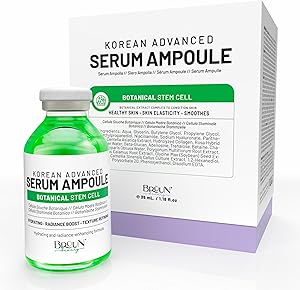
TL;DR: Ampoules are concentrated serum boosters — higher active % (often 2–5x), smaller bottle, used as a targeted treatment underneath your regular serum or in place of it during intensive cycles. Serums are daily-use, lower concentration, broader function. In K-beauty: ampoule goes on before serum, after toner/essence. Not interchangeable — both have roles. Most common mistake: using ampoule as a full serum replacement daily without tracking skin response.
Korean Ampoule vs Serum: What’s the Real Difference and How to Layer Both
The Korean ampoule vs serum distinction trips up even experienced K-beauty enthusiasts. Western skincare largely skips the ampoule category entirely — most North American routines jump from toner to serum to moisturizer. Korean skincare inserts a concentrated treatment step that Western formulators are only now beginning to replicate. Understanding the difference isn’t just semantic; it changes how you build routines, cycle actives, and address targeted skin concerns without overloading the barrier.
As an Amazon Associate we earn from qualifying purchases at no extra cost to you.


![SKIN1004 [Hudson's Pick] Madagascar Centella Ampoule, Korean Face Serum with Centella Asiatica for Hydrating & Moisturizing, Soothing Facial Serum for Skin Balance, Korean Skin Care, 3.38 fl.oz, 100ml](https://m.media-amazon.com/images/I/31t7RX9Dn-L._SL160_.jpg)


Definitions: What Korean Brands Actually Mean
There is no regulatory definition for “ampoule” in Korean cosmetics law — brands self-classify. In practice, the industry conventions are consistent:
Korean Serum
Water-based, lightweight treatment product with active ingredients at moderate concentrations designed for daily use. Typically 30–50 ml. Used in every AM and PM routine. Targets: hydration, brightening, anti-aging, pore care. Examples: niacinamide serum at 5–10%, HA serum, snail mucin filtrate serum.
Korean Ampoule
Ultra-concentrated treatment booster. Higher active percentage, denser ingredient list, smaller volume (15–30 ml typical). Designed for intensive treatment cycles — 2–4 week “ampoule cure” is a common K-beauty protocol, or as a permanent booster layered before serum. Texture varies from watery to viscous depending on actives. Not typically used as full routine replacement.
Top Picks at a Glance

TruSkin Brightening Vitamin C Serum for Face with Hyaluronic Acid, 1 fl oz


As an Amazon Associate we earn from qualifying purchases. Product prices and availability are accurate as of the date/time indicated.

COSRX Snail Mucin 96% Repairing Serum for Sooothing & Hydrating 3.38 oz.

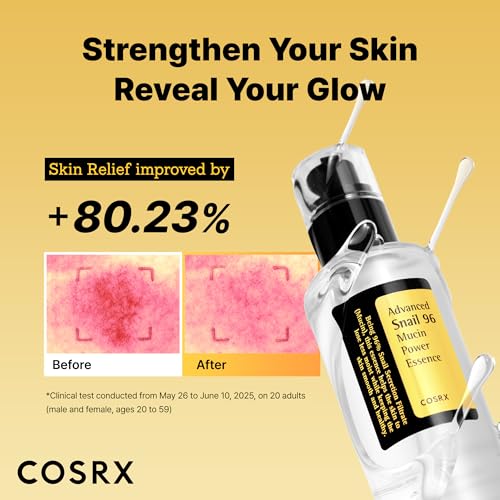


As an Amazon Associate we earn from qualifying purchases. Product prices and availability are accurate as of the date/time indicated.

THAYERS Witch Hazel Facial Toner, Hydrating Rose Petal Toner, 12 oz


As an Amazon Associate we earn from qualifying purchases. Product prices and availability are accurate as of the date/time indicated.
Concentration Comparison: The INCI Evidence
Concentration differences are visible in INCI positioning. In a serum, Niacinamide might appear 4th or 5th — signaling ~5% concentration. In an ampoule targeting the same concern, Niacinamide appears 2nd or 3rd — indicating 10–20% concentration. The same logic applies to peptide complexes, vitamin C forms, and fermented filtrates.
| Feature | Korean Serum | Korean Ampoule |
|---|---|---|
| Typical volume | 30–50 ml | 15–30 ml |
| Active concentration | Moderate (daily-use safe) | High (2–5x serum) |
| Usage frequency | Daily AM + PM | Cycle (2–4 wks) or daily booster |
| Routine position | After essence, before moisturizer | Before serum |
| Price per ml | Lower | Higher |
| Bottle type | Pump or dropper | Dropper or ampule vial |
| Texture | Watery to gel | Watery to viscous oil-serum |
| Best for | Maintenance, daily actives | Targeted treatment, visible results fast |
The Full K-Beauty Layering Order
Standard Korean 7-step sequence with ampoule and serum correctly positioned:
- Oil Cleanser (PM only) — see Korean double cleansing method
- Water Cleanser
- Toner / Prep Toner
- Essence
- Ampoule — 1–2 drops, press gently, 30s absorption
- Serum — full application, 60s absorption
- Eye cream (optional)
- Moisturizer / Cream
- Sunscreen (AM only)
The 30-second rule between ampoule and serum isn’t arbitrary — it allows the concentrated actives to begin binding to receptors before the next layer dilutes the contact. For beginners building out this routine from scratch, the see korean skincare beginner guide walks through the full sequence with product examples.
Ampoule Cure Protocol: How Korean Women Actually Use Ampoules
The “ampoule cure” is a K-beauty ritual: use ampoule intensively for 2–4 weeks targeting a specific concern (hyperpigmentation, anti-aging, dehydration), then scale back to 2–3x weekly maintenance once results stabilize. This prevents receptor desensitization (particularly relevant for retinol ampoules) and manages cost. For an example of this applied to anti-aging actives, see the Korean retinol guide for beginners.
When to Choose Ampoule Over Serum
Choose ampoule when:
- Visible concern requiring fast results (event prep, hyperpigmentation cycle)
- Existing serum isn’t delivering visible change after 6+ weeks
- You want to add a second active without adding a second full serum
- Budget allows — cost per ml is higher but active delivery per ml is much higher
Stick with serum when:
- Daily maintenance is the goal — hydration, barrier, general anti-aging
- Sensitive skin — lower actives concentration reduces reaction risk
- Just starting a new active ingredient (establish tolerance at serum dose first)
For the snail mucin category specifically — which sits in a gray zone between ampoule and essence — the learn about cosrx snail mucin essence deep dive explains why snail filtrate products resist easy classification.
Frequently Asked Questions
Can you use a Korean ampoule instead of a serum every day?
You can, but it’s not designed for that. Daily ampoule use with high actives (retinol, vitamin C, acids) increases irritation risk. Ampoules with humectants or snail filtrate as the primary active are safer for daily use. If budget is a concern, alternate: ampoule 3–4x weekly, serum the remaining days.
Does ampoule go before or after serum in Korean skincare?
Ampoule before serum — always. Thinnest/most concentrated first allows maximum receptor contact. Serum is broader-application, acts as a secondary treatment layer above the concentrated ampoule actives.
Why are Korean ampoules so small?
Concentration-driven design — a 15 ml ampoule delivers more active ingredient per drop than a 50 ml serum. Also, high-concentration formulas degrade faster after opening (oxidation, contamination). Smaller bottles ensure you use the product before efficacy drops. Many vitamin C and retinol ampoules are single-dose glass vials for this exact reason.
What is the difference between a Korean essence and an ampoule?
Essence: watery, high-water-content, focuses on skin prep and lightweight hydration — used immediately after toner. Ampoule: denser, higher active concentration, treatment-focused — used after essence. Essence primes; ampoule treats. The classic example: Missha Time Revolution Essence (prep step) vs. COSRX AHA/BHA Clarifying Treatment Toner (treatment step).
Are Korean ampoules worth the extra cost compared to serums?
Per-ml cost is higher; cost-per-effective-dose is often comparable or lower due to concentration. A $40 ampoule used at 1 drop per session often delivers more active ingredient per session than a $25 serum used at 3–4 drops. Worth it for targeted concerns; overkill for basic hydration maintenance where a serum performs identically.
Final Verdict
Ampoule and serum aren’t competitors — they’re designed for different positions in the same routine. The Korean system’s sophistication lies in understanding that skin responds differently to maintenance doses vs. treatment doses of the same active. Build the daily serum foundation first; add ampoule as a precision tool when you have a specific, visible concern to target. Check the full our pick for korean skincare products and Korean Skincare Brands Tier List to match ampoule categories to brands known for specific active concentrations.
Related K-Beauty Guides
- Vegamour GRO Hair Serum Review 2026: Does It Actually Work?
- Niacinamide Serum: Benefits, How to Use, and the Best…
- COSRX Snail Mucin 96 vs 100: What Is the Actual Difference?
- Best Peptide Serums for Anti-Aging 2026
- REJURAN Turnover Ampoule Review
- MEDITHERAPY Retinal Skin Booster Serum 150ml Review
- haruharu Wonder Black Rice NAD+ Serum Mist Review
Ready to decide? Our #1 pick for 2026 is the Typical volume.
Live price & availability on Amazon.