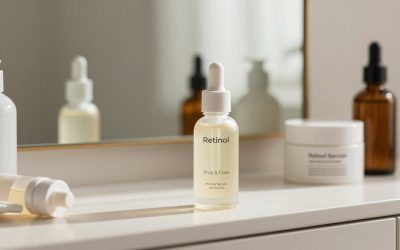
- Top Pick: MEDITHERAPY Retinal Skin Booster Serum 5.07 fl oz | Retinaldehyde, Niacinamide, Cica | Korean Hydrating Face & Body Serum for Dull, Uneven Skin, All Skin Types, K-Beauty
- Best Value: Anua 3-Step Glass Skin Beginner Kit
- Premium Choice: SeoulCeuticals Korean Skin Care 20% Vitamin C Serum for Face + CE Ferulic
Last updated: October 4, 2026
- Quick Picks: 6 Best Korean Serums for Beginners at a Glance
- 1. COSRX Snail Mucin 96% Power Essence — Best Overall for Beginners
- 2. Anua Heartleaf 77% Niacinamide Serum — Best for Oily and Acne-Prone Beginners
- 3. Beauty of Joseon Glow Serum — Best for Beginners Who Want a Brighter Complexion
- 4. Torriden DIVE-IN Low Molecule Hyaluronic Acid Serum — Best for Dry Skin Beginners
- 5. Some By Mi Galactomyces Pure Vitamin C Glow Serum — Best for Brightening on a Budget
- 6. Skin1004 Madagascar Centella Ampoule — Best for Sensitive Skin Beginners
- How to Introduce a Serum Into Your Routine
- What Ingredients to Avoid as a Beginner
- Beginner’s Serum Routine: Morning and Night
- Frequently Asked Questions
- Start Simple. Start with One.
- Related Articles
- Related Guides
As an Amazon Associate we earn from qualifying purchases at no extra cost to you.


Best Korean Serum for Beginners 2026: Simple, Effective Picks for New K-Beauty Fans
Serums are the engine of Korean skincare. While cleansers and moisturizers lay the groundwork, it’s the serum step where real skin transformation happens — concentrated actives delivered directly where your skin needs them most. Yet for anyone just entering the world of K-beauty, the serum aisle is overwhelming. Snail mucin, galactomyces ferment, propolis, centella asiatica, multiple molecular weights of hyaluronic acid — it reads more like a biology textbook than a shopping list.
The good news: you don’t need to understand all of it to get results. You just need the right starting point. This guide cuts through the noise and recommends six Korean serums specifically chosen for beginners — forgiving formulas, proven ingredients, and wide availability on Amazon. We also walk you through how to introduce a serum into your routine, what to avoid early on, and how to layer correctly.
Let’s make your first serum purchase a confident one.
🛒 Best Price Today on Amazon
Prime members get fast, free shipping on everything above, plus member-only deals. New members get a 30-day free trial — cancel anytime.
Quick Picks: 6 Best Korean Serums for Beginners at a Glance
| Serum | Best For | Key Ingredient | Approx. Price | Rating |
|---|---|---|---|---|
| COSRX Snail Mucin 96% Power Essence | All skin types, total beginners | Snail Secretion Filtrate | ~$25 | ⭐ 4.5/5 |
| Anua Heartleaf 77% Niacinamide Serum | Oily, acne-prone, large pores | Niacinamide + Heartleaf | ~$22 | ⭐ 4.6/5 |
| Beauty of Joseon Glow Serum | Dull, uneven tone | Propolis + Niacinamide | ~$20 | ⭐ 4.6/5 |
| Torriden DIVE-IN HA Serum | Dry, dehydrated skin | Multi-weight Hyaluronic Acid | ~$24 | ⭐ 4.5/5 |
| Some By Mi Galactomyces Pure Vitamin C Glow Serum | Brightening, dark spots | Galactomyces + Vitamin C | ~$20 | ⭐ 4.4/5 |
| Skin1004 Madagascar Centella Ampoule | Sensitive, reactive skin | Centella Asiatica Extract | ~$18 | ⭐ 4.5/5 |
1. COSRX Snail Mucin 96% Power Essence — Best Overall for Beginners
Why It’s Beginner-Friendly
If you only buy one Korean serum to start, make it this one. The COSRX Snail Mucin 96% Power Essence has earned near-legendary status in K-beauty communities for a simple reason: it works on almost everyone without causing drama. The formula is 96% snail secretion filtrate — a complex blend of glycoproteins, enzymes, hyaluronic acid, and allantoin that simultaneously hydrates, repairs, and soothes. What makes it beginner-safe is what it doesn’t contain: no fragrance, no alcohol, no irritating actives at high concentrations.
Skin concern addressed: Dehydration, uneven texture, slow healing, general barrier repair. It’s the serum equivalent of a multivitamin — not dramatic for one specific issue, deeply supportive across the board.
Texture: Watery-gel, absorbs quickly, leaves no sticky residue.
- Pros: Works on all skin types; fragrance-free; excellent for compromised skin; affordable; easy to find on Amazon; minimal ingredient list
- Cons: Not vegan (snail-derived); doesn’t target specific concerns like acne or deep pigmentation; some find the watery texture underwhelming at first
2. Anua Heartleaf 77% Niacinamide Serum — Best for Oily and Acne-Prone Beginners
Why It’s Beginner-Friendly
Niacinamide (Vitamin B3) is one of the most well-tolerated active ingredients in skincare, making it an ideal first “active” for beginners. Anua’s formula delivers a meaningful 77% heartleaf extract alongside niacinamide — heartleaf (Houttuynia cordata) is a soothing botanical that calms excess sebum production and redness. Together, they target the two biggest concerns for oily-skinned beginners: visible pores and shiny skin throughout the day.
Skin concern addressed: Excess oil, enlarged pores, early acne marks, uneven skin tone from blemishes.
Texture: Light fluid serum, non-greasy, absorbs without shine.
- Pros: High niacinamide without irritation risk; dual-action (sebum control + soothing); great for hot or humid climates; layering-friendly
- Cons: May not provide enough hydration for dry skin types on its own; newer brand with less global recognition than COSRX
3. Beauty of Joseon Glow Serum — Best for Beginners Who Want a Brighter Complexion
Why It’s Beginner-Friendly
Beauty of Joseon has built a devoted following by combining traditional Korean herbal ingredients with modern actives. Their Glow Serum pairs propolis extract (a natural antioxidant and anti-inflammatory from beehives) with niacinamide to deliver a gentle brightening effect that doesn’t rely on harsh bleaching agents. For beginners chasing “glass skin” — that luminous, translucent glow K-beauty is famous for — this serum is the most accessible entry point.
Skin concern addressed: Dull skin, uneven tone, early hyperpigmentation, lackluster complexion.
Texture: Light, slightly honey-like but not sticky. Absorbs within seconds.
- Pros: Dual-active approach (propolis + niacinamide); visible glow improvement within weeks; suitable for normal-to-combination skin; aesthetic packaging; affordable
- Cons: Contains bee-derived propolis (not vegan); not ideal for very sensitive skin prone to propolis reactions; limited effect on deep pigmentation
4. Torriden DIVE-IN Low Molecule Hyaluronic Acid Serum — Best for Dry Skin Beginners
Why It’s Beginner-Friendly
If your main struggle is dry, tight, or flaky skin, a dedicated hyaluronic acid serum is your fastest win. Torriden’s DIVE-IN formula uses five different molecular weights of hyaluronic acid — from large molecules that hydrate the surface to micro-sized ones that penetrate deeper layers. The result is multi-level hydration that lasts. The formula is free of fragrance, essential oils, and silicones, making it safe even for acne-prone and sensitive beginners who just need more moisture.
Skin concern addressed: Dryness, dehydration, tight feeling, flakiness, compromised moisture barrier.
Texture: Watery serum with a slight slip. Absorbs completely, no residue.
- Pros: Multi-weight HA means hydration at every skin layer; fragrance-free; non-comedogenic; pairs perfectly with any moisturizer; great for all climates
- Cons: Pure hydration only — won’t address pigmentation, acne, or aging on its own; in very dry climates, seal with a moisturizer immediately to prevent moisture loss
5. Some By Mi Galactomyces Pure Vitamin C Glow Serum — Best for Brightening on a Budget
Why It’s Beginner-Friendly
Pure Vitamin C (L-ascorbic acid) at high concentrations can cause irritation, redness, and purging in beginners. Some By Mi sidesteps this problem by leading with galactomyces ferment filtrate — a fermented yeast extract that delivers brightening and texture-refining benefits more gently than raw Vitamin C. The formula includes stabilized Vitamin C as a supporting ingredient, giving you the brightening payoff with reduced sensitivity risk. It’s the smart beginner route to a more even, radiant complexion.
Skin concern addressed: Dull skin, early dark spots, post-blemish marks, overall radiance.
Texture: Lightweight watery serum. Absorbs quickly without a greasy finish.
- Pros: Gentler brightening approach; galactomyces also improves texture and minimizes pores; budget-friendly; widely available; good for normal-to-oily skin
- Cons: Some formulas contain fragrance — check the current label; results are gradual, not dramatic; those with very dry skin may want a more hydrating serum instead
6. Skin1004 Madagascar Centella Ampoule — Best for Sensitive Skin Beginners
Why It’s Beginner-Friendly
Sensitive skin beginners face a double challenge: they most need help (redness, irritation, reactive patches) but have the least tolerance for active ingredients. Skin1004’s Madagascar Centella Ampoule is the answer. The formula is built around a 100% centella asiatica water base — centella is renowned for calming inflammation, strengthening the skin barrier, and accelerating healing. The ingredient list is intentionally minimal: fewer ingredients means fewer potential irritants, which means a much lower chance of a bad reaction.
Skin concern addressed: Redness, irritation, sensitized skin, compromised barrier, rosacea-prone skin, post-procedure skin.
Texture: Thin, water-like fluid. Sinks in instantly. Zero greasiness.
- Pros: Extremely minimal ingredient list; fragrance-free; alcohol-free; suitable for rosacea and reactive skin; doubles as a face mist when sprayed; very affordable
- Cons: Not an “active” serum — won’t brighten or fight acne directly; may feel too lightweight for very dry skin; best used as a foundation rather than a standalone treatment
How to Introduce a Serum Into Your Routine
Adding a new serum is exciting — but doing it right matters more than doing it fast. Follow these steps to get results without setbacks.
Step 1: Patch Test First
Apply a small amount of the serum to the inner arm or jaw area. Wait 24–48 hours and check for redness, itching, or breakouts. This is non-negotiable with new products, even “gentle” ones.
Step 2: Introduce One Serum at a Time
Start with one serum for at least two to four weeks before adding another. This tells you exactly what’s working (or not). Layering three new serums simultaneously makes it impossible to know what caused a reaction — or a glow.
Step 3: Layer Thin to Thick
Korean skincare follows a simple layering logic: thinnest consistency goes on first, thickest goes on last. The typical order is:
- Cleanse
- Toner / essence
- Watery serum (HA, centella)
- Thicker serum (snail mucin, niacinamide)
- Moisturizer
- SPF (daytime only)
Step 4: Apply to Damp Skin
Hyaluronic acid and water-based serums absorb better and perform better on slightly damp skin. After toning, don’t wait for your skin to fully dry before applying your serum.
What Ingredients to Avoid as a Beginner
Knowing what not to use is as important as knowing what to buy. Here are the most common beginner mistakes:
High-Percentage AHA Without Building Up
Alpha hydroxy acids (glycolic, lactic acid) at 10%+ are effective exfoliants — but starting at high concentrations causes burning, peeling, and photosensitivity. If you want to try AHAs, start at 5% or less, once a week, at night.
Retinol and Vitamin C Together
Both are powerful actives. Using them in the same routine — especially in the same step — is a recipe for irritation. Vitamin C goes in the morning routine; retinol goes at night. Don’t combine until your skin is well-adapted to each individually.
Mixing Too Many Actives Too Soon
Niacinamide + AHA + BHA + retinol in a single routine is a common beginner mistake driven by excitement. Your skin barrier has limits. Build slowly. Start with one non-irritating serum (snail mucin, HA, or centella), use it for a month, then consider adding a second.
Skipping SPF
Many serums — especially brightening ones with niacinamide or Vitamin C — increase photosensitivity. A serum without daily SPF 30+ is an incomplete routine and risks reversing your results.
Beginner’s Serum Routine: Morning and Night
Morning Routine
- Cleanser — gentle, low-pH formula
- Toner — hydrating, alcohol-free
- Serum — Torriden DIVE-IN (HA) or Anua Heartleaf Niacinamide
- Moisturizer
- SPF 30+ — always, rain or shine
Why these in the AM: HA plumps and protects through the day. Niacinamide regulates oil and reduces shine. Neither makes you photosensitive.
Evening Routine
- Oil or balm cleanser (to remove SPF and makeup)
- Gentle water-based cleanser
- Toner
- Serum — COSRX Snail Mucin or Skin1004 Centella Ampoule
- Moisturizer or sleeping mask
Why these at night: Snail mucin and centella support overnight repair and barrier regeneration. Night is when skin cell turnover peaks, so repair-focused serums shine here.
Frequently Asked Questions
How many serums can I use at once?
As a beginner, stick to one serum until your skin has adapted — ideally for at least 3–4 weeks. Once you understand how your skin responds, you can layer two serums with complementary functions (for example, HA for hydration + niacinamide for oil control). Most experienced K-beauty users use two to three serums at most. More than three is diminishing returns.
What’s the difference between a serum and an essence?
The line is blurry in K-beauty, but the general rule: essences are thinner, more watery, and used as a hydrating prep step right after toner. Serums are slightly thicker, more concentrated, and targeted at a specific skin concern. The COSRX Snail Mucin is technically labeled an “essence” but functions like a serum — don’t get too hung up on the label. Consistency and purpose matter more than what the packaging says.
When will I see results from my serum?
Hydration serums (HA, centella): noticeable within days. Brightening and niacinamide serums: visible improvement in 4–6 weeks. Snail mucin for texture and repair: 6–8 weeks of consistent use. Skin changes slowly — give any new product at least one full month before judging it.
Should I refrigerate my Korean serums?
Not required for most, but beneficial for serums containing Vitamin C (slows oxidation) and refreshing for watery formulas like centella ampoule. Keep all serums away from direct sunlight and heat regardless.
Start Simple. Start with One.
The biggest mistake new K-beauty fans make is buying seven products at once, layering all of them on day one, and then not knowing what to do when something goes wrong. The serums on this list were chosen precisely because they’re forgiving — designed to work with your skin, not challenge it.
Pick one serum that matches your primary skin concern. Use it consistently for a month. Pay attention to how your skin responds. Then add the next one. That’s the K-beauty philosophy distilled: layered care, applied with patience.
Your skin transformation doesn’t start with a ten-step routine. It starts with one good serum — and the commitment to stick with it.
Related K-Beauty Guides
- Skincare Routine for Beginners: The Complete Step-by-Step Guide
- Best Sunscreen Reapplication Sprays: On-the-Go UV Protection Refresh
- Best Face Steamers for Skincare: Deep Cleanse and Hydrate Your Skin
- Best Derma Rollers for Microneedling: Stimulate Collagen at Home
- Best Face Massage Rollers: Sculpt, Depuff, and Boost Glow
- Best Jade Rollers for Face: Cooling, Depuffing, and Skin-Boosting Benefits
- Best Gua Sha Face Tools: Ancient Ritual for Modern Skin Benefits
Ready to decide? Our #1 pick for 2026 is the COSRX Snail Mucin 96% Power Essence.
Live price & availability on Amazon.