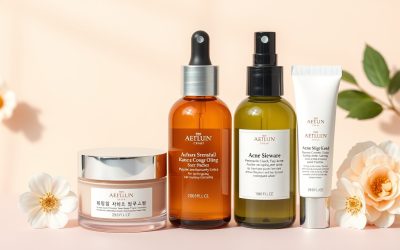
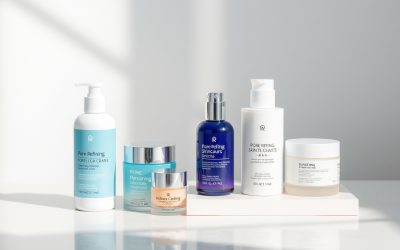
- Top Pick: ANUA Double Cleansing Duo for Facial Cleansing
- Best Value: Korean Double Cleanse Duo Set – Pore Purifying Cleansing Oil & Gentle Face Wash, Mild Acid Complex, Sensitive Skin, w/ Centella Tea Tree & Green Tea, LHA AHA BHA PHA for Gentle Exfoliation Acne Care
- Premium Choice: YUMU Licorice Deep Pore Facial Cleanser, for Double Cleansing, Centella Asiatica + Ceramide NP + Glycerin, Hydrating Gel Cleanser, Blackhead Remover, Korean Skincare (150ml/5.07 fl.oz.)

Quick Answer / TL;DR
Korean double cleansing in 60 seconds: Step 1 = oil cleanser on dry skin to dissolve SPF and makeup (lipophilic-to-lipophilic affinity). Step 2 = water-based cleanser to remove residual emulsified oils and sweat. Result: clean skin without stripping the barrier. Best starter pairing: any micellar oil + COSRX Snail Mucin Essence (ASIN B00PBX3L7K, $17.79) as immediate post-cleanse hydration lock.
- Top Picks at a Glance
- The Chemistry Behind Double Cleansing (Why It Actually Works)
- Step-by-Step Tutorial: Korean Double Cleansing Method
- Immediately After Cleansing: The Critical 60-Second Window
- Double Cleansing by Skin Type: Modifications
- Do You Need to Double Cleanse Every Night?
- Common Double Cleansing Mistakes
- Frequently Asked Questions
- Building Your Double Cleansing Routine
- Related Guides
Korean Double Cleansing Method: The Complete Tutorial (Chemistry, Products, Mistakes to Avoid)
Published: May 2026 | Written by: Kathi Jo | 1,450 words
As an Amazon Associate we earn from qualifying purchases at no extra cost to you.


Double cleansing is the most foundational step in K-beauty — and the most misunderstood outside Korea. It’s not about washing your face twice with the same product. It’s about leveraging basic chemistry: like dissolves like. Oil removes oil-based impurities; water removes water-based impurities. One cleanser can’t do both optimally without over-stripping.
Top Picks at a Glance
BEST OVERALL (Post-Cleanse Essence)
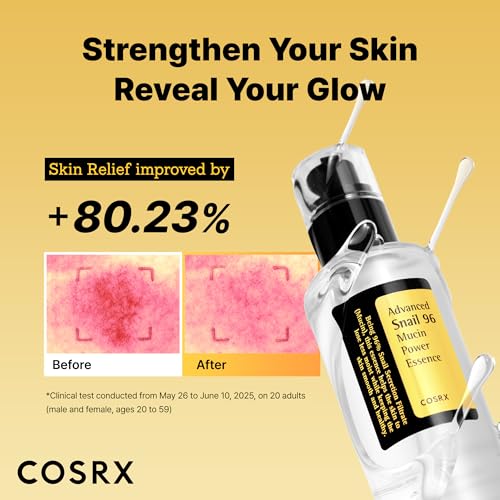
COSRX Snail Mucin Repairing Essence
96.3% snail secretion filtrate
$17.79 — barrier repair immediately post-cleanse




As an Amazon Associate we earn from qualifying purchases. Product prices and availability are accurate as of the date/time indicated.
RUNNER-UP (Vitamin C Boost)
TruSkin Vitamin C Serum
15% Vitamin C + HA + Vitamin E
$16.99 — brightening step after double cleanse


As an Amazon Associate we earn from qualifying purchases. Product prices and availability are accurate as of the date/time indicated.
BEST BUDGET (Barrier Support)
Thayers Witch Hazel Toner
Alcohol-free aloe base
$9.14 — pH balance between cleanse steps


As an Amazon Associate we earn from qualifying purchases. Product prices and availability are accurate as of the date/time indicated.
The Chemistry Behind Double Cleansing (Why It Actually Works)
Your skin accumulates two distinct categories of grime: lipophilic (oil-loving) — sunscreen, silicones, sebum, oil-based makeup — and hydrophilic (water-loving) — sweat, dust, water-based products. A single cleanser can’t remove both categories without being formulated aggressively, which means surfactants harsh enough to strip the acid mantle (target pH: 4.5–5.5).
Double cleansing uses chemistry intelligently:
- Step 1 (oil cleanser): Oil emulsifies lipophilic residues. Massaging on dry skin allows oil-on-oil binding. When you add water, it forms a milky emulsion that rinses cleanly. Zero harsh surfactants needed.
- Step 2 (water cleanser): Mild surfactants (sodium laureth sulfate, sodium cocoyl isethionate, or amino acid surfactants like sodium lauroyl glutamate) remove the emulsified oil residue + sweat + water-based impurities. At lower concentrations than a standalone cleanser because Step 1 pre-treated the heavy lifting.
The result: completely clean skin that retains its natural lipid barrier — something a single aggressive cleanser physically cannot achieve.
Step-by-Step Tutorial: Korean Double Cleansing Method
Step 1: Oil Cleanser (2–3 minutes)
| Stage | Action | Why |
|---|---|---|
| Prep | Completely dry hands and dry face | Water breaks oil-on-oil emulsification before it starts |
| Apply | Pump/scoop ~3–5ml oil cleanser onto palms | Enough to coat full face without dragging |
| Massage | 60 seconds circular motions — focus on T-zone, lash lines, lip area | Oil needs contact time to break down SPF polymers and silicones |
| Emulsify | Add small amount of warm water, massage 20 seconds until milky white | Emulsification is the mechanism of removal |
| Rinse | Rinse thoroughly with lukewarm water | Hot water = vasodilation + TEWL spike |
Oil cleanser types:
- Cleansing oil: Best for dry/normal skin. Fastest emulsification.
- Cleansing balm: Gentlest. Good for sensitive + dry. Slower emulsification but more thorough SPF removal.
- Micellar oil: Good for oily skin. Lighter feel, faster rinse.
Step 2: Water-Based Cleanser (60–90 seconds)
At this point, lipophilic residue is already gone. Step 2 just needs to be effective and gentle. Key specs to look for:
- pH 5.0–5.5 (preserves acid mantle)
- Amino acid surfactants OR low-concentration SLS/SLES
- No fragrance (skin is freshly cleansed — absorption rate is highest)
Lather minimally, massage 30–60 seconds, rinse with cool water. Cool water closes follicle openings slightly, reducing environmental particle entry immediately post-cleanse.
Immediately After Cleansing: The Critical 60-Second Window
This is where most people fail. You’ve removed the lipid barrier’s surface layer — skin is temporarily more permeable. Damp skin absorbs actives more effectively, but it also loses moisture faster. The 60-second window after cleansing is when you should apply your first hydrating layer.
Top recommendation: COSRX Snail Mucin Essence applied while skin is still slightly damp. The 96.3% snail secretion filtrate contains glycoproteins, hyaluronic acid, and allantoin — which collectively seal in moisture and accelerate barrier restoration post-cleanse. See the full analysis in our see cosrx snail mucin essence deep dive.
As an Amazon Associate we earn from qualifying purchases. Product prices and availability are accurate as of the date/time indicated.
Double Cleansing by Skin Type: Modifications
| Skin Type | Oil Cleanser Choice | Water Cleanser Choice | Notes |
|---|---|---|---|
| Oily / Acne-prone | Micellar oil or light cleansing oil | Low-pH gel cleanser | Avoid heavy balms — can leave residue |
| Dry / Dehydrated | Rich cleansing balm | Cream or milk cleanser | Follow immediately with COSRX Snail Mucin |
| Sensitive / Reactive | Fragrance-free cleansing oil | Amino acid cleanser (pH 5.5) | Skip foaming Step 2 |
| Combination | Cleansing oil (medium weight) | Foam or gel (T-zone focus) | Lighter touch on dry cheek areas |
| Normal | Any type | Any gentle formula | Most flexibility |
Do You Need to Double Cleanse Every Night?
If you wear SPF (and you should — see our more on beauty of joseon sunscreen deep dive), double cleanse every evening without exception. SPF chemistry specifically resists water-based removal — that’s the point of sunscreen polymers. Single cleansing leaves SPF residue that mixes with fresh sebum and can contribute to comedone formation over time.
Morning cleanse: optional. Many K-beauty practitioners do a water rinse only in the AM to preserve the overnight barrier repair work from actives applied at night.
Common Double Cleansing Mistakes
- Applying oil cleanser to wet skin — water interferes with lipophilic binding. Always start on dry skin.
- Skipping the emulsification step — if you rinse without adding water first, oil residue stays on skin. Always milk it out.
- Using hot water — dilates capillaries, increases TEWL, can trigger redness. Lukewarm for Step 1, cool for Step 2.
- Aggressive scrubbing — mechanical friction during cleansing disrupts the lipid barrier. Gentle circular pressure only.
- Waiting too long post-cleanse — bare skin starts losing moisture within 60 seconds. Have your toner or essence ready.
For the full beginner-to-advanced K-beauty routine context, our our korean skincare beginner guide walks through every step in sequence.
Frequently Asked Questions
Can the Korean double cleansing method cause breakouts?
Only if you use the wrong oil cleanser type. Comedogenic oils (coconut, cocoa butter) can clog pores. Choose non-comedogenic options: mineral oil, caprylic/capric triglyceride (fractionated coconut oil — very different from whole coconut oil), sunflower seed oil. The double cleanse itself, done correctly, actually reduces breakouts by thoroughly removing pore-clogging SPF and sebum residue.
What is the correct order for Korean double cleansing?
Oil cleanser always first. The logic is irreversible: if you use a water-based cleanser first, you partially remove surface sweat but leave lipophilic residue. The subsequent oil cleanser then can’t penetrate as effectively through the partial disruption. Oil first, water second — always.
Is double cleansing necessary for people who don’t wear makeup?
If you wear SPF (any SPF), yes. Sunscreen is oil/silicone-based and does not rinse with water alone regardless of whether it’s labeled “water-resistant.” Even if you wear zero makeup, the combination of SPF + daily sebum production requires an oil-first step to remove cleanly.
How long does the Korean double cleansing method take?
3–4 minutes total done properly: 2 minutes oil cleanse (including 60-second massage + emulsification), 90 seconds water cleanse. If you’re rushing to under 2 minutes, you’re likely skipping the emulsification step or not massaging long enough to break down SPF polymers effectively.
Does double cleansing dry out skin?
Done correctly with appropriate products, no. The key is: mild water cleanser (pH 5.0–5.5, gentle surfactants) + immediate hydration after. A harsh foaming cleanser as the second step can strip — this is the most common cause of “double cleansing made my skin dry.” Fix: switch to a cream or low-foam cleanser for Step 2. See our glass skin routine products guide for optimal product pairings.
Building Your Double Cleansing Routine
The double cleanse is the foundation — everything else in K-beauty depends on it working correctly. After 30+ days of correct double cleansing, most people notice: brighter complexion (no residual SPF scattering light), fewer comedones (cleaner pores), and better product absorption (subsequent essences and serums penetrate more effectively).
Pair your cleansing routine with the right K-beauty essentials. Check our see best korean skincare products roundup for a curated stack, and our see cosrx snail mucin essence deep dive for the best immediate post-cleanse step.
As an Amazon Associate we earn from qualifying purchases. Product prices and availability are accurate as of the date/time indicated.
Related K-Beauty Guides
- Skincare Routine for Beginners: The Complete Step-by-Step Guide
- Best Sunscreen Reapplication Sprays: On-the-Go UV Protection Refresh
- Best Face Steamers for Skincare: Deep Cleanse and Hydrate Your Skin
- Best Derma Rollers for Microneedling: Stimulate Collagen at Home
- Best Face Massage Rollers: Sculpt, Depuff, and Boost Glow
- Best Jade Rollers for Face: Cooling, Depuffing, and Skin-Boosting Benefits
- Best Gua Sha Face Tools: Ancient Ritual for Modern Skin Benefits