- Top Pick: Anua 3-Step Glass Skin Beginner Kit | Oil Cleanser and Face Wash with Facial Serum, Double Cleansing Daily Routine with Niacinamide, Korean Skincare
- Best Value: SOME BY MI AHA BHA PHA 30 Days Miracle Acne Clear Foam – 3.38oz, 100ml – Korean Acne Face Wash for Smooth & Clear Skin – Salicylic Acid Cleanser for Exfoliation & Sebum Control – Korean Skin Care
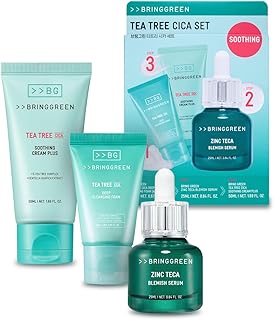
- Premium Choice: BRING GREEN TEA TREE CICA SET | Korean Skin Care Kit for Acne-Prone, Sensitive Skin | Zinc Teca Serum, Tea Tree Hydrating Moisturizer & Deep Cleansing Foam | Oil Control & Pore Care | K-Beauty Gift
Last updated: October 4, 2026
Achieving clear skin doesn’t have to mean stripping your moisture barrier with harsh, drying chemicals. The Korean approach to acne focuses on gentle healing, deep hydration, and soothing inflammation to repair the skin from the inside out. This comprehensive guide will help you build the ultimate 2026 K-beauty routine to combat breakouts, reduce redness, and fade post-acne marks for a radiant, healthy complexion.
Get instant results in seconds — no signup.
As an Amazon Associate we earn from qualifying purchases at no extra cost to you.




Key Ingredients to Look For in Korean Acne Products
Korean skincare formulation is famous for blending traditional herbal medicine (Hanbang) with modern dermatological science. When curating an acne-fighting routine, look for these powerhouse ingredients that target breakouts without causing irritation.
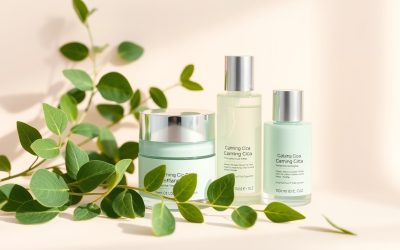
Centella Asiatica (Cica): Often referred to as “tiger grass,” this legendary botanical is the cornerstone of Korean acne care. It is incredibly rich in amino acids and beta-carotene, which work to soothe active inflammation, speed up wound healing, and rebuild a compromised skin barrier.
Salicylic Acid (BHA) and Betaine Salicylate: Unlike glycolic acid (an AHA) which works on the skin’s surface, oil-soluble BHAs penetrate deep inside the pores to dissolve sebum, dead skin cells, and acne-causing debris. Korean formulations often use Betaine Salicylate, a gentler alternative to traditional salicylic acid, to minimize irritation.
Propolis and Honey: Produced by bees, propolis is naturally antibacterial, antifungal, and anti-inflammatory. It helps inhibit the growth of acne bacteria while delivering intense hydration and a signature K-beauty glow.
Heartleaf (Houttuynia Cordata): A massive trend in Korean skincare, heartleaf is highly effective for acne-prone skin due to its powerful anti-inflammatory and detoxifying properties. It quickly calms flushed, irritated skin and regulates excess sebum production.
Tea Tree Oil: A classic antiseptic ingredient used in precise, low concentrations in Korean formulations to sanitize the skin and dry up active blemishes without peeling the surrounding skin.
How to Choose the Right Korean Acne Products for Your Skin Type
Not all acne-prone skin is the same, and choosing products based on your specific skin type is crucial to avoiding further breakouts.
If you have oily and acne-prone skin, focus on lightweight, gel-based formulas and sebum-regulating ingredients. Look for clay masks, BHA toners, and oil-free gel creams that hydrate without clogging pores. Ingredients like green tea and silica can help control shine throughout the day.
If you suffer from dry and acne-prone skin, your breakouts are likely triggered by a damaged skin barrier. Avoid harsh stripping cleansers. Instead, opt for hydrating milky toners, propolis serums, and barrier-repairing creams containing ceramides and panthenol. You must hydrate the skin to prevent it from overproducing oil to compensate for dryness.
For those with sensitive or hormonal acne-prone skin, prioritize minimalist ingredient lists. Avoid artificial fragrances, essential oils, and high percentages of active acids. Focus almost entirely on soothing agents like Cica, Heartleaf, and Mugwort to calm the angry, cystic breakouts associated with hormonal fluctuations.
The Step-by-Step Korean Skincare Routine for Acne
To get the best results, you need to apply your products in the correct order. Here is how to structure your daily K-beauty routine for clear skin.
Step 1: Double Cleanse (Night Only): Start with a lightweight, non-comedogenic cleansing oil to dissolve makeup, sunscreen, and excess sebum. Follow up with a gentle, low-pH water-based foaming cleanser to wash away remaining impurities without stripping your natural lipids.
Step 2: Hydrating Toner: Pat in a soothing, alcohol-free toner. In K-beauty, toners are meant to prep the skin, balance its pH, and flood it with initial hydration, allowing subsequent treatments to absorb more effectively.
Step 3: Essence or Serum: This is your treatment step. Apply a targeted serum containing propolis, cica, or a gentle BHA to treat active acne, calm redness, and prevent future congestion.
Step 4: Lightweight Moisturizer: Seal in all the hydration with a gel-cream or a lightweight lotion. Look for moisturizers containing ceramides, centella, or birch sap to strengthen your skin barrier while keeping oil levels balanced.
Step 5: Sunscreen (Daytime Only): UV rays darken acne scars and inflame breakouts. Use a lightweight, chemical or physical Korean sunscreen with SPF 50+ and PA++++ that leaves no white cast and has a matte or natural finish.
Bonus Step: Acne Patches: For active, whitehead-stage pimples, apply a hydrocolloid acne patch overnight. These patches suck out impurities, protect the wound from bacteria, and prevent you from picking at your skin.
Who is This Routine Best For?
This Korean acne routine is best suited for individuals who find Western acne treatments (like high-percentage benzoyl peroxide or drying alcohol-based astringents) too irritating, drying, or sensitizing. It is ideal for those dealing with persistent whiteheads, blackheads, hormonal jawline breakouts, and post-inflammatory hyperpigmentation (acne scars).
Because K-beauty emphasizes hydration and barrier health, this routine is also perfect for anyone experiencing “purging” or irritation from prescription retinoids, as it provides the necessary soothing support to keep the skin calm and hydrated during intense dermatological treatments.
Explore more K-beauty guides: Best Exfoliating Face Scrubs: Smoother, Brighter Skin at Home · Best Gel Cleansers for Combination Skin: Balance Oil and Hydration · Best Foam Cleansers for Oily Skin: Deep Clean Without Over-Drying · Best Oil Cleansers for Double Cleansing: A Complete Buying Guide · Best Micellar Water for Makeup Removal: Top Picks for Gentle Cleansing.
Frequently Asked Questions
Will using a cleansing oil make my acne-prone skin break out more?
No, as long as you use a properly formulated, emulsifying cleansing oil. According to the scientific principle of “like dissolves like,” a cleansing oil is the most effective way to break down sebum, sunscreen, and oil-based impurities inside your pores. Just ensure you follow up with a water-based cleanser (the double cleanse method) to wash everything away completely.
How long does it take to see results from a Korean acne routine?
While soothing ingredients like Centella Asiatica and Heartleaf can reduce redness and inflammation overnight, significant improvements in active acne and pore congestion typically take 4 to 6 weeks. Fading dark spots and post-acne marks (PIH/PIE) can take anywhere from 8 to 12 weeks of consistent daily routine use.
Can I use Korean acne products alongside my prescription acne medication?
Yes, but with caution. Korean skincare is excellent for supporting prescription treatments (like Tretinoin or Clindamycin) because it focuses heavily on hydration and barrier repair. However, you should avoid using over-the-counter exfoliating acids (like BHAs and AHAs) at the same time as your prescription actives to prevent severe irritation. Stick to the hydrating and soothing products in your K-beauty routine.